The National Bank of Tajikistan (NBT) has resumed negotiations on attraction of preferential loan from the International Monetary Fund (IMF) within the framework of Extended Credit Facility program.
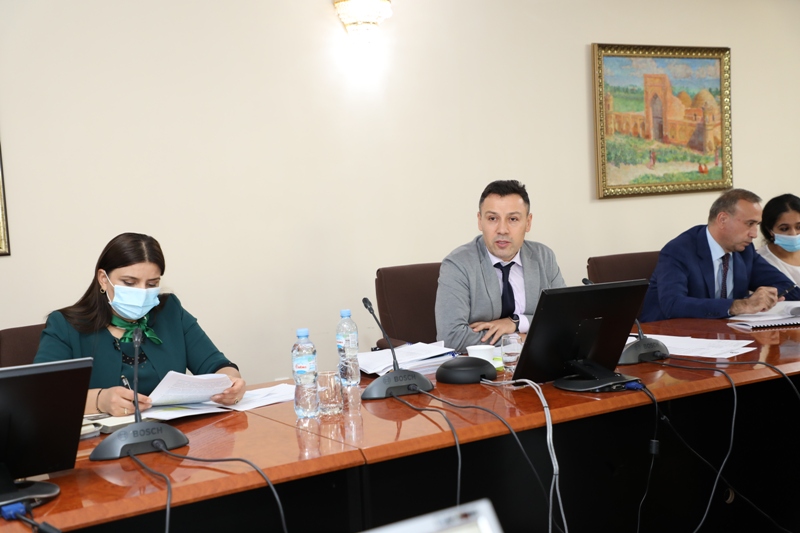
According to the NBT press center, negotiations with the IMF mission, led by Ms. Padamja Khandelwal, began on August 18 and will last until September 3.
The first deputy head of Tajik central bank, Jamoliddin Nouraliyev, reportedly informed members of the IMF mission about the current macroeconomic situation in the country and the situation in the country’s banking system.
In the course of the negotiations, Ms. Padamja Khandelwal offered a number of recommendations to ensure financial stability and implement efficient monetary policy to provide sustainable development of Tajikistan’s economy, the NBT press center says.
Jamoliddin Nouraliyev told reporters in Dushanbe in early February this year that many IMF preconditions had already been fulfilled, and the issue of resumption of the Extended Credit Facility program was being considered.
Recall, the first negotiations between an official delegation of Tajikistan and the International Monetary Fund within the framework of Extended Credit Facility program were conducted in October 2015.
The previous three-year Extended Credit Facility program ended in Tajikistan in July 2012.
The Extended Credit Facility (ECF) provides financial assistance to countries with protracted balance of payments problems. The ECF was created under the Poverty Reduction and Growth Trust (PRGT) as part of a broader reform to make the Fund’s financial support more flexible and better tailored to the diverse needs of low-income countries (LICs), including in times of crisis. The ECF is the Fund’s main tool for providing medium-term support to LICs.
The ECF supports countries’ economic programs aimed at moving toward a stable and sustainable macroeconomic position consistent with strong and durable poverty reduction and growth.
The ECF may also help catalyze additional foreign aid.
In autumn 2012, the Tajik authorities have applied to the IMF for a new three-year arrangement under the extended credit facility.
The IMF representatives that time reportedly raised hopes of coordinating the next three-year program. However, the negotiations on this subject are still continuing and now specific agreements have been reached so far.
Within the framework of the new program Tajikistan intended to attract a $500 million preferential loan from the IMF for supporting the country's economy.
On May 6, 2020, the IMF Executive Board approved a US$189.5 million RCF disbursement to Tajikistan to address the COVID-19 pandemic.