



The U.S. Agency for International Development (USAID) has recently developed a specialized export guide for Central Asian horticulture exporters — Directory of Central Asian Horticulture Exporters — describing steps that need to be followed to enter export markets. It reportedly also provides guidance on market research, standards, pricing, promotion, packaging, and trade fairs to increase chances of successful exports.
Kazakhstan, Kyrgyzstan, Tajikistan, Turkmenistan and Uzbekistan have been producing and trading a wide range of fruit and vegetables for centuries. This Directory has been developed by USAID’s Competitiveness, Trade and Jobs activity (CTJ) as an easily accessible catalogue to showcase Central Asian growers, processors and trading companies willing and ready to export their horticultural products to new markets outside the region.
Over 120 horticulture exporters from Kazakhstan, Kyrgyzstan, Tajikistan, Turkmenistan, and Uzbekistan are listed in the catalogue that includes details about their products (by category), brands, distribution channels, and contact information. It also includes an overview of transportation costs and transit time from Central Asian cities to export destinations in Europe and Asia.
The Directory is intended for use by horticulture importers, distributors, retail buyers and international trade fair organizers.
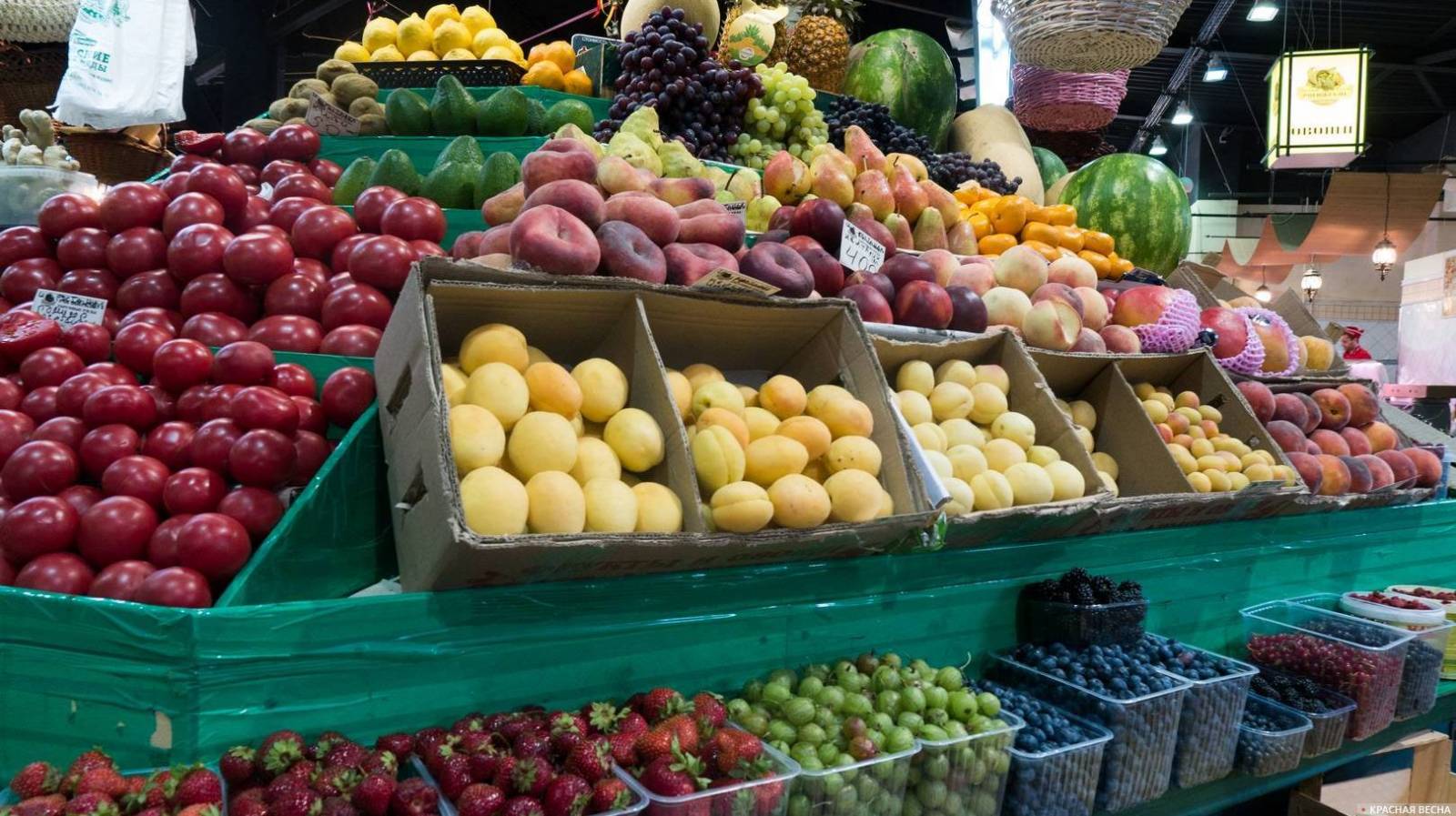
The Directory consists of the following sections: fresh fruit and vegetables – apples, apricots, cherries, melons, plums, tomatoes and others; dried fruits, nuts and pulses – cherries, prunes, raisins, pistachios and others; and processed fruits and vegetables – juices, jams, snacks, chips, fruit bars and others.
The Directory also provides information about transport and logistics companies and an overview of transportation costs and transit time from Central Asian cities to export destinations in Europe and Asia.
Central Asian countries continue to increase their exports of fruit and vegetables to the market of the Eurasian Economic Union (EAEU), European Union (EU), the Middle East and South-East Asia.
The Directory contains basic information about companies, which were valid at the time of compilation. The interactive format of the Directory allows readers to go to the website of each company or write an e-mail, thus facilitating the establishment of business linkages with exporters of horticultural products from Central Asia.
USAID’s project Competitiveness, Trade and Jobs activity (CTJ) facilitates trade and employment in horticulture, tourism, transport and logistics across the five Central Asian economies. By incentivizing firms to become more regionally competitive and by addressing cross-border impediments to trade, USAID helps to develop a more diverse and competitive private sector and generate export-driven growth.
USAID is a leading international development agency and is a catalyst for achieving sustainable development.






