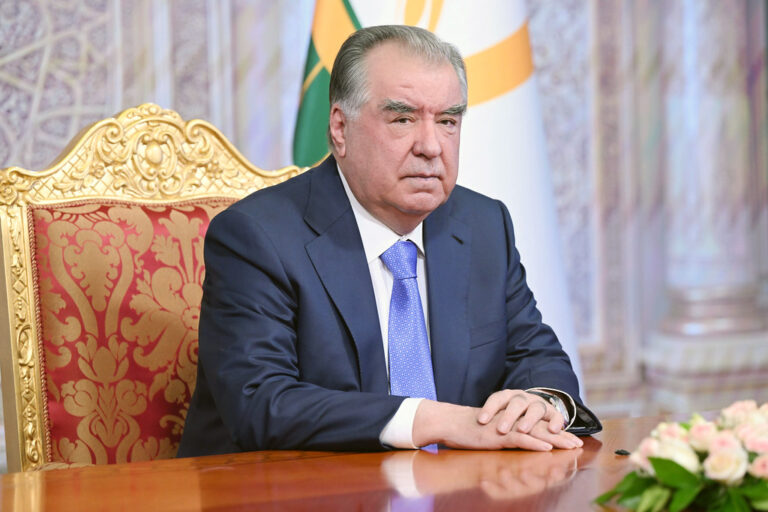
On November 26, the Grant Agreement for the “Project for Human Recourses Development Scholarship (JDS)” was signed by Mr. Faiziddin Qahhorzoda, the Minister of Finance of Tajikistan and Mr. Takasaka Muneo, the Chief Representative of Japan International Cooperation Agency (JICA) in Tajikistan, according to JICA Tajikistan Office.
Understanding the importance of capacity building of civil servants and other governmental officials in Tajikistan, the Government of Japan has allocated 260, 000, 000 Japanese Yen (equivalent to about 2.5 million USD) through JICA to support the above Project.
The goal of the Project is to resolve development challenges in the Republic of Tajikistan through strengthening capacity of governmental officials.
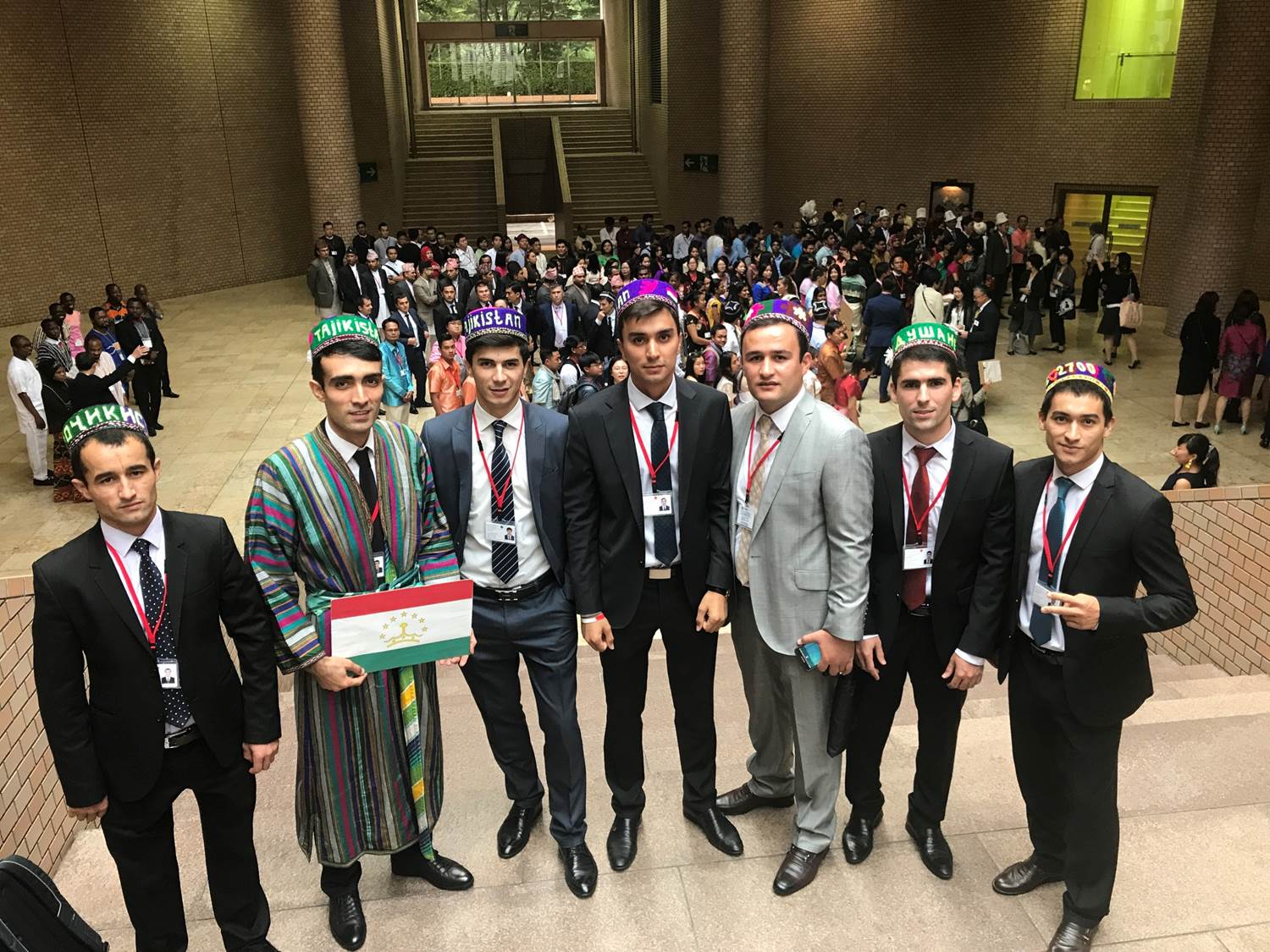
The objectives of JDS Project are to support human resource development of the Republic of Tajikistan targeting young government officials and to strengthen the bilateral relations between Tajikistan and Japan. This project is characterized by its elaborated framework, which specifies the fields of research and graduate schools focusing on important development issues in Tajikistan. JDS scholars are expected to be leaders of the country, and to be engaged in formulating and implementing social and economic development policies using their gained academic knowledge and skills.
As of August 2020, 66 scholars for the master’s program and 4 scholars for a doctoral program were dispatched to Japan and 14 of them are currently studying at universities in Japan. 52 scholars returned to Tajikistan with their master’s degrees and contribute to the development of Tajikistan after their coming back.
Only government officials who belong to designated governmental organizations can apply for this scholarship
JICA intends to continue provision of its assistance in development of human resources for the training of highly qualified personnel of governmental agencies.
JDS Project is executed by the Agency of Civil Service under the President of Tajikistan with the financial support by JICA.
JICA began its technical cooperation with Tajikistan in 1993 by inviting Tajik officials to gain knowledge and experience on governance and macroeconomics development. As of March 2020, a total number of participants to JICA’s Knowledge Co-Creation Programs, formerly called the Training Programs, has exceeded 2380 people. JICA Office was established in 2006 in Tajikistan and since then various Grant Financial Assistance and Technical Cooperation projects have been implemented more dynamically, aiming at improving living standard of Tajik people for the sectors such as agriculture and rural development, water supply, health, transport, energy, capacity building as well as SME promotion. JICA’s cumulative investment portfolio in Tajikistan in all sectors comprises 41 projects amounting to more than 407.8 million USD (90.16 million USD for Technical Cooperation and 317.7 million USD for Grant Assistance), including 12 ongoing projects.