Tajik national power utility company (Barqi Tojik) says rural areas will have regular electricity supplies in five days. Barqi Tojik denies it is implementing a rationing regime.
“Work on replacement of obsolete equipment in electricity supply networks is nearing completion and all cities, districts and villages of the country will have regular electricity supplies within the next four or five days,” Nozirjon Yodgori, a spokesman for Barqi Tojik, told Asia-Plus in an interview today afternoon.
According to him, there has been no such thing as “introduction of electricity rationing”
Concerning the issue of protracted work on replacement of the obsolete equipment in the electricity supply networks, Yodgori said there were problems with the delivery of equipment from foreign countries to Tajikistan due to the coronavirus pandemic.
He also denied rumors that Tajikistan is continuing to supply electricity to Uzbekistan and Afghanistan despite shortage of electricity to meet its own requirements in electricity as absolutely baseless.
“We supply electricity to neighboring countries only in summer and early autumn. This year, we stopped to supply electricity to Uzbekistan and Afghanistan in summer due to lack of water in order to fill the reservoir powering the Nurek hydroelectric power plant (HPP),” Yodgori said.
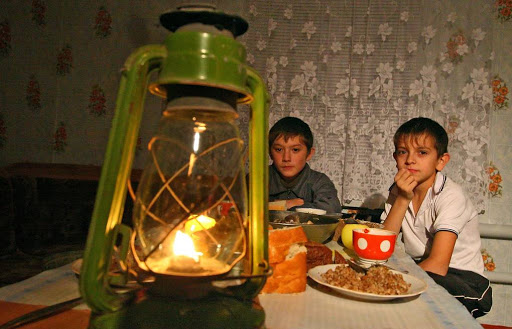
Recall, rural areas in Tajikistan currently have electricity only several hours per day.
Barqi Tojik, however, denies it is implementing a rationing regime, saying only that power is disconnected intermittently because of ongoing repairs at the Nurek hydroelectric station, which provides much of the country’s electricity needs, and sub-stations.
Meanwhile, sources close to the country’s hydropower sector say restrictions on the supply of electricity have been imposed due to drop in water levels in the reservoir powering the Nurek HPP, because they did not stock up on the required amount of water in the summer, carrying out idle spillways at the request of neighboring countries during the irrigation season.
In accordance with the agreement concluded with the neighboring, Tajikistan supplies electricity to the neighboring countries only during the April-October period. Tajikistan has sufficient summer-time (defined as May 1 to September 30) hydropower surpluses to export to the neighboring countries.
Hydropower is the main source of energy in Tajikistan, followed by imported oil, gas and coal.