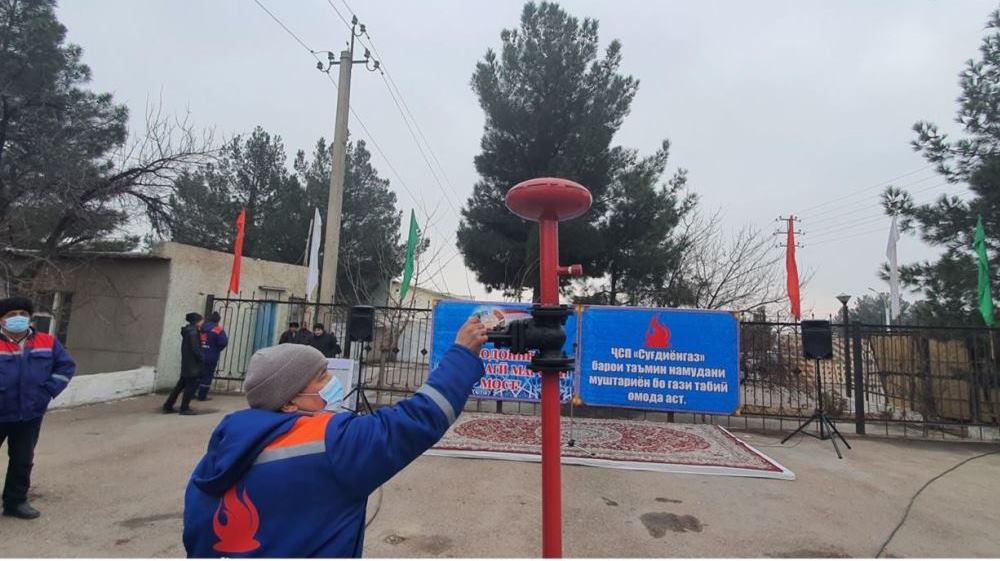
Uzbekistan has resumed delivering natural gas to the Tajik northern province of Sughd after 10-year interruption, Abdulhakim Soufiyev, director of the Closed Joint-Stock Company (CJSC) Sughdgaz (Sughd natural gas distributor), told Asia-Plus in an interview.
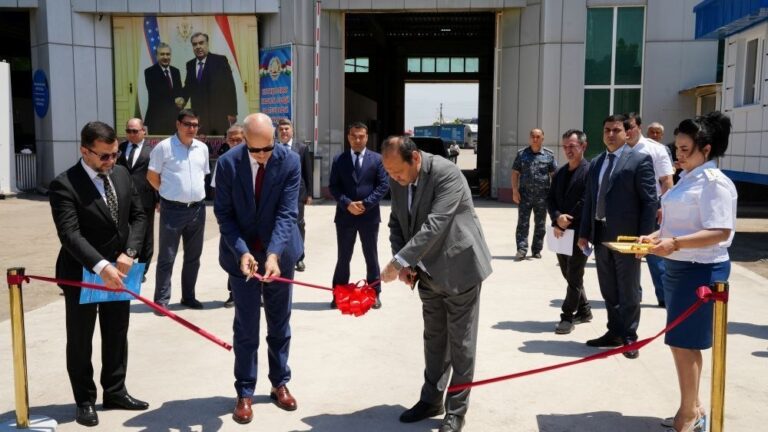
The pipeline to funnel Uzbek natural gas to the Tajik northern Sughd province was officially introduced into operation on December 23.
At the first stage, the gas will be supplied to industrial enterprises, and then, the natural gas will provide for needs of residential customers as well, Soufiyev said.
There are more than 150 industrial enterprises operating in Khujand and the majority of them are powered by electricity or coal. Some 50 percent of them are reportedly ready to make shift to natural gas.
Soufiyev told Asia-Plus in early October that according to the preliminary estimates, the Uzbek gas will be delivered to Sughd province at the rate of up to 2.00 somoni per one cubic meter.
Meanwhile, he told Asia-Plus today that Uzbekistan is now ready to deliver natural gas to Tajikistan at the rate of US$130.00 per 1,000 cubic meters.
“It is quite affordable price. Thus, ten years ago, Uzbekistan delivered natural gas at the rate of US$340.00-US$360.00 per 1,000 cubic meters,” Soufiyev said.
Recall, Uzbekistan resumed delivering natural gas to Tajikistan in early April 2018, ending a six-year hiatus precipitated by diplomatic differences. The Uzbek gas has been funneled to Tajikistan through the Muzrabad-Dushanbe pipeline and intended mostly to provide for the needs of the Tajik aluminum smelter and some other industrial enterprises. In 2018, the Uzbek gas was delivered to Tajikistan at US$120 per 1,000 cubic meters.
Uzbek gas supplies were suspended in 2012 over what the government in Tashkent claimed were domestic shortages. This explanation was only partly true, however. The underlying motivation for the suspension in deliveries was the Uzbek objection to Tajik plans to build the giant Roghun hydropower dam, which Tashkent worried could destructively disrupt the flow of irrigation waters.
Since President Shavkat Mirziyoyev came to power in Uzbekistan, in 2016, relations have improved dramatically and the resumption of trade and energy ties has been made a priority.