Barqi Tojik (Tajikistan’s state-owned power utility company) has denied reports about unscheduled power outages in the regions as absolutely baseless.
Barqi Tojik states that the power rationing that was introduced in rural areas of the country on January 5 is strictly enforced.
“The regions receive electricity strictly in accordance with a certain schedule – from 6 am to 11 pm,” Nozir Yodgori, a spokesman for Barqi Tojik, told Asia-Plus Friday (January 8) afternoon.
According to him, the continuous monitoring has revealed that reports on social networks and in some media outlets about unscheduled outages in the regions do not correspond to the facts.
Yodgori further noted that it was still premature to speak about exact dates for lifting the introduced power rationing.
“Everything depends on increase in water levels in the Vakhsh River and filling of the reservoir powering the Nurek hydroelectric power plant,” the spokesman said.
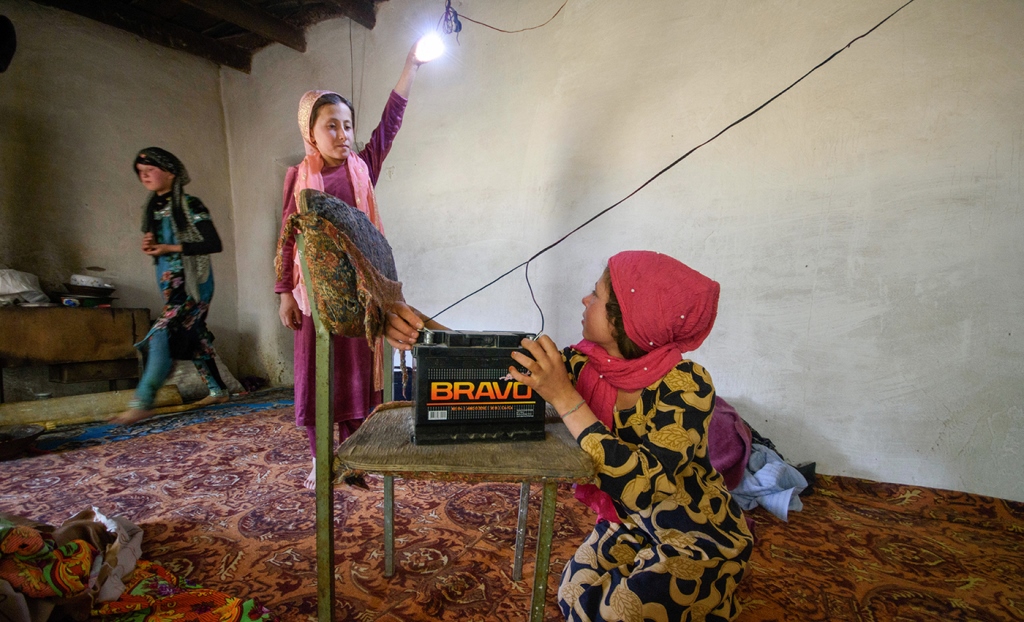
The shortage of electricity during autumn-winter period has become an urgent problem in Tajikistan this year, and Barqi Tojik reintroduced power rationing across most of the country in response to a drop in water levels at a key hydroelectric dam.
Recall, Tajikistan has not been compelled to limit how much power it supplies to households since the winter of 2016.
As a result of the rationing coming into effect on December 5, residential customers in rural areas now have no electricity from 11 p.m. until 6 a.m.
According to some sources, the power rationing was introduced in connection with a decline in the water level in the Nurek reservoir. The current water level in the Nurek is reportedly four meter lower compared to the same period last year.
Electricity rationing has not affected Dushanbe, regional administrative centers and large cities.
Measures rationing electricity supplies are usually introduced in all regions except Dushanbe and regional administrative centers and they seek to curb the country's rising electricity consumption. The rationing results in the supply of daily electrical power being reduced to 12 or 10 hours. In addition to curbing rising consumption, the move also stems from a decline in the water levels in the country's reservoirs powering the main hydroelectric power plants.