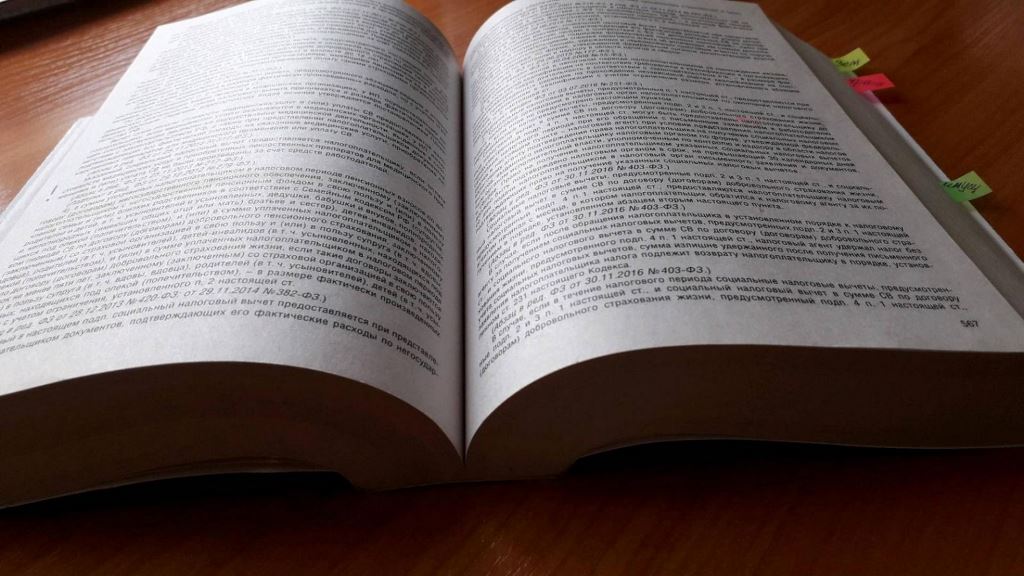
Tajik President Emomali Rahmon has ordered relevant ministries and agencies to complete the country’s tax code in new reading until March this year and submit it for consideration to the government. .
Emomali Rahmon remarked this in an address to both chambers of the parliament that took place on January 26.
The head of state noted that the new tax code must provide for easing tax burden on entrepreneurs, especially industrial production facilities.
Rahmon noted that the private sector accounts for 80 percent of the country’s gross domestic product (GDP), provides 80 percent of tax receipts to the national budget and creates 63 percent of jobs in the country.
He further added that improvement of entrepreneurial and investment climate in the country was one of priorities of the government’s economic policy.
Recall, President Emomali Rahmon initiated development of a new tax code in late May 2019. He ordered to take into consideration interests of business entities and citizens of the country while developing the new tax code.
The Minister of Finance Faiziddin Qahhorzoda told reporters in Dushanbe in February last year that the new tax code should be adopted before September 2020 so that the national budget for 2021 would be worked out on the basis of it.
Qahhorzoda emphasized that members of the working group for development of the new tax code also included specialists of the World Bank and the working group had taken into consideration proposals of tax payer and representatives of the private sector while developing the new tax code.
Meanwhile, the Asian Development Bank (ADB)’s Asian Development Outlook (ADO) 2020 notes that heavy infrastructure spending has created pressure to mobilize more revenue. Tax revenue reportedly averaged the equivalent of 22.2% of GDP during 2015–2019 and provided nearly 70% of total revenue, above the average for low-income developing countries.
Much of the burden falls on companies, for which the effective tax rate including required pension and insurance contributions averages 67% for a typical firm, according to the report. This is more than double the norm for transitional economies in Europe and Central Asia, according to the World Bank’s Doing Business 2020 website.
The unfavorable tax regime makes tax compliance costly and time consuming, prompting firms to relocate to neighboring countries. The report says Tajikistan must reconsider how to make its tax policy more business friendly while finding other ways to increase revenue in order to improve the investment climate.