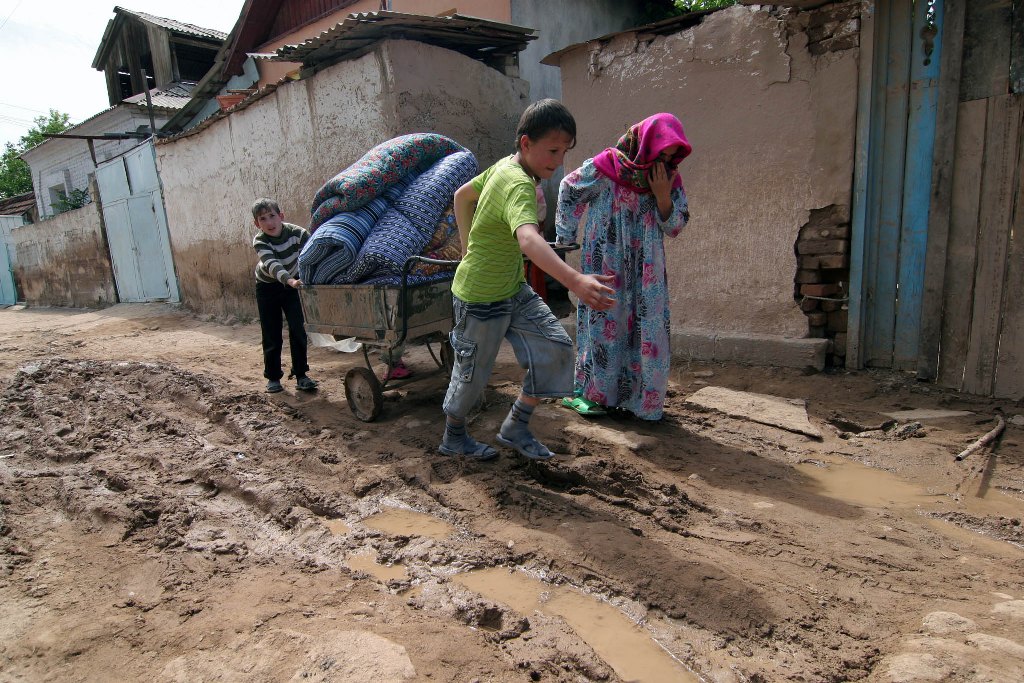
The United Nations Development Program (UNDP) jointly with the Emergencies Committee under the Government of Tajikistan has launched Tajikistan’s first Countrywide Multi-Hazard Risk Assessment Platform.
The platform, designed to serve as a visual risk analysis tool to facilitate better landscape and developmental planning by stakeholders, risk assessors, decision makers, has been made by UNDP under financial support of the Government of Japan and Swiss Agency for Development and Cooperation.
The online visual platform is based on data collected for the multi-hazard risk assessment conducted between 2018 and 2020.
The assessment covered 58 districts of Tajikistan and seven types of natural hazards most prevalent in the country. The research team conducted feasibility studies using high resolution satellite images and specialized data provided by national agencies, stakeholders, and open-source data.
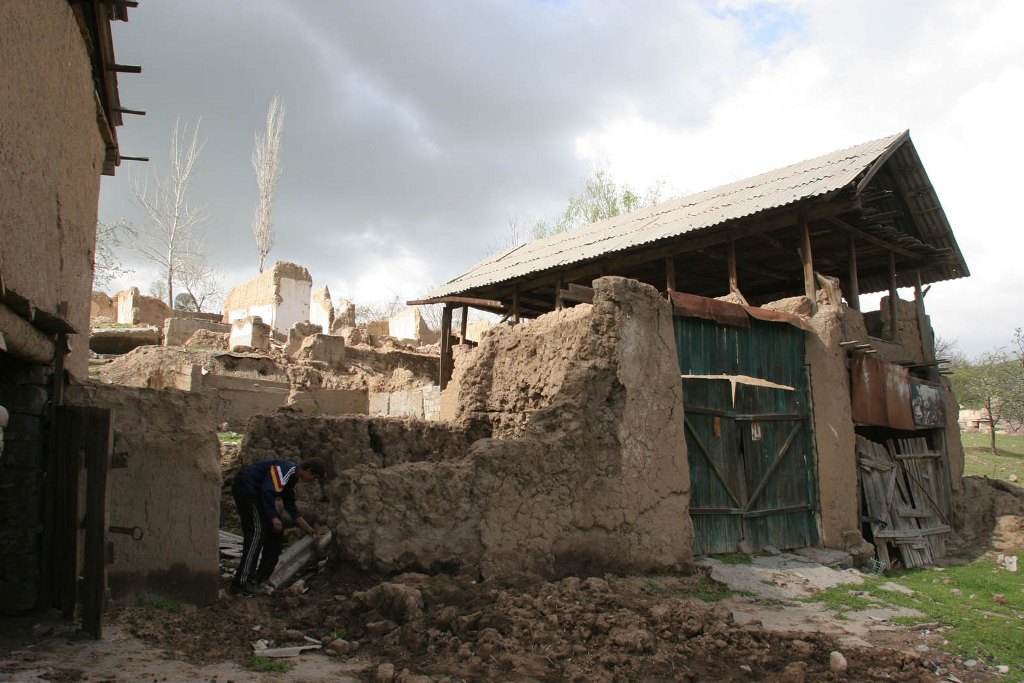
Output maps have been prepared using the Geographic Information System (GIS), which allows users to see the map layers individually or cascaded one over another to provide users with suited information.
“Tajikistan is prone to various natural cataclysms. Seven of them – mudflows, earthquakes, landslides, avalanches, windstorms and drought – are most typical for the republic,” Mr. Christophoros Politis, UNDP Deputy Resident Representative in Tajikistan, told Asia-Plus in an interview.
“The main task of the platform is to reduce the natural disaster related risks,” he noted.
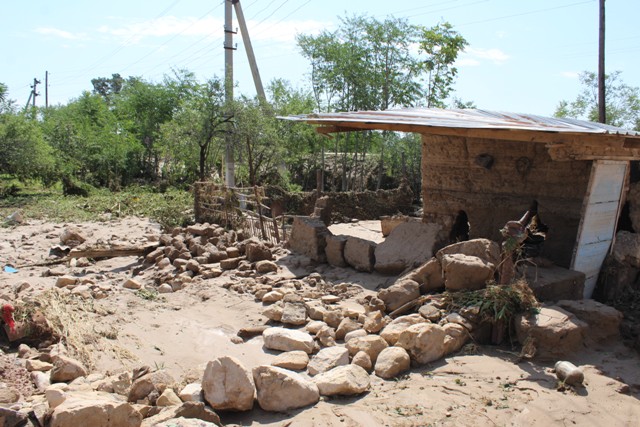
“It is very important not only for the Emergencies Committee but for all authorities to make a shift from a disaster response form to preventive measures in accordance with the Sendai Framework for Disaster Risk Reduction,” Mr. Politis said.
The Sendai Framework for Disaster Risk Reduction 2015-2030 outlines four priorities for action to prevent new and reduce existing disaster risks: 1) understanding disaster risk; 2) strengthening disaster risk governance to manage disaster risk; 3) investing in disaster reduction for resilience; and 4) enhancing disaster preparedness for effective response, and to "Build Back Better" in recovery, rehabilitation and reconstruction.
The Framework aims to achieve the substantial reduction of disaster risk and losses in lives, livelihoods and health and in the economic, physical, social, cultural and environmental assets of persons, businesses, communities and countries over the next 15 years.