



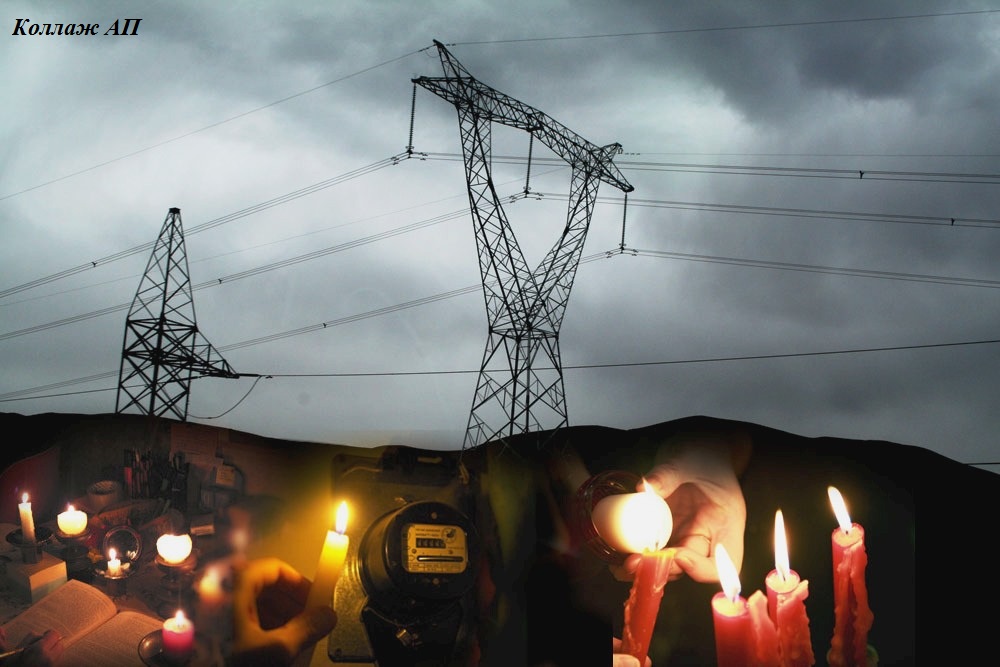
Residents of districts subordinate to the center and Ayni district in the northern Sughd province have complained about tightening electricity rationing.
They write that they now have electricity seventeen hours per day – from 5:00 am to 10:00 pm, while before that they had electricity from 5:00 am to 11:00 pm.
Barqi Tojik (Tajikistan’s national power utility company), however, says no decision has been made to tighten the electricity rationing.
“As before, residential customers in rural areas have electricity eighteen hours per day – from 5:00am to 11:00 pm,” an official with Barqi Tojik told Asia-Plus Tuesday (March 30) afternoon.
Recall, the electricity rationing system came into force on January 5, beginning at 11:00 pm. Residential customers in rural areas had electricity seventeen hours per day – from 6:00 am to 11:00 pm.
Electricity rationing has not affected Dushanbe, regional administrative centers and large cities.
Tajik authorities noted that they had been forced to introduce the electricity rationing in January because the water level in the reservoir powering the Nurek hydropower plant had been four meters lower compared to the same period last year.
On February 13, the power rationing was reduced from seven to six hours. The power rationing was reportedly reduced due to increase in water level in the Vakhsh River.
Measures rationing electricity supplies are usually introduced in all regions except Dushanbe and regional administrative centers and they seek to curb the country's rising electricity consumption. In addition to curbing rising consumption, the move also stems from a decline in the water level in the country's reservoirs powering the main hydroelectric power plants.







