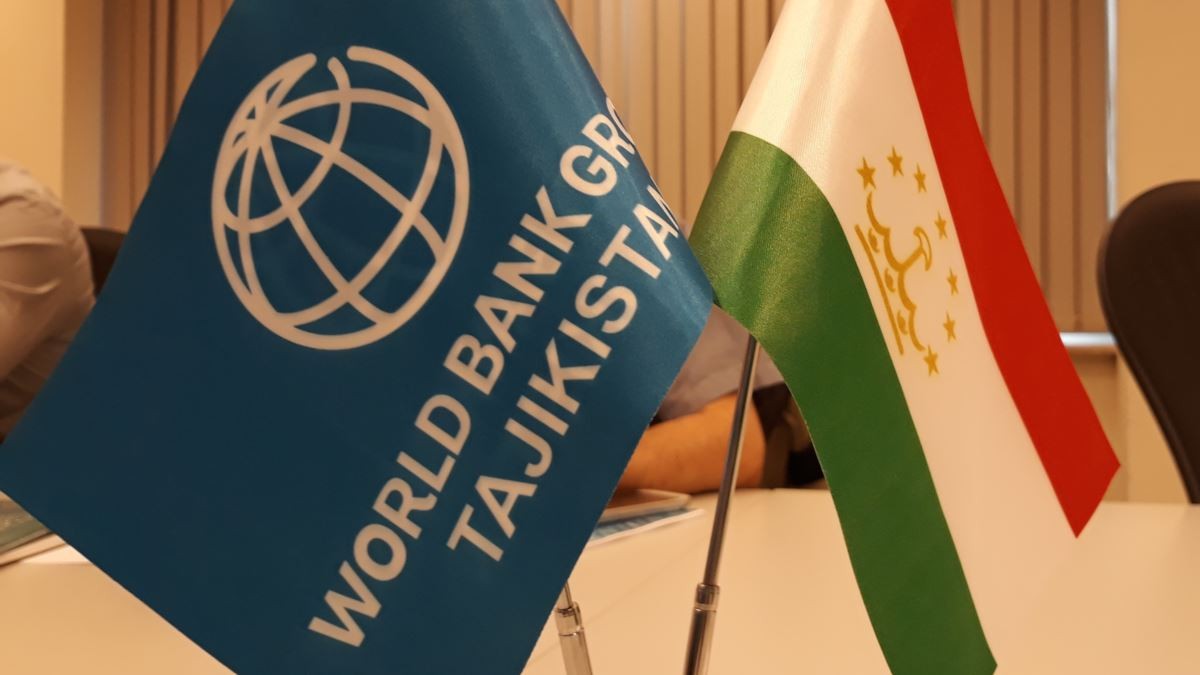
On Friday May 28, the World Bank’s Board of Executive Directors approved 50 million U.S. million in grant financing from the International Development Association for the Tajikistan Tax Reform Operation.
According to the World Bank, this project will support the implementation of the revised tax code and the modernization of the tax system to balance the objectives of domestic revenue mobilization and private sector development.
“When incentives are such that enterprises and investors actually benefit from being successful in their businesses and honest vis-à-vis the State, the private sector will start to play an increasingly larger role in fostering innovation, creating employment, and broadening the tax base,” said Jan-Peter Olters, World Bank Country Manager for Tajikistan. “A consistent tax code with predictable tax obligations, as currently prepared by the Government, is expected to promote a more dynamic, innovative, and export-oriented private sector—once decisions on tax audits will be based on risk assessments and consistency checks done within the Tax Committee.”
The Government of Tajikistan has made tax reform a priority, reflecting the increasing importance of improving the business and investment climate and enhancing the competitiveness of the national economy. With the new tax code, currently under review by the Government, Tajikistan seeks to modernize tax administration and base tax policy and revenue collection processes on international practice.
This reform represents a critical building block in efforts to meet the key objectives of the National Development Strategy to 2030, which is to increase people’s incomes by up to 3.5 times and halve poverty by 2030. To meet this goal, Tajikistan would need the contribution of a dynamic private sector, which can finance investments, foster innovation, create jobs, and increase exports.
Currently, the private sector in Tajikistan provides only about one-quarter of total investments and produces less than one-third of industrial output, while providing only limited formal employment opportunities in a young and growing economy. The COVID-19 pandemic has negatively impacted government revenues and tax collection efforts, while increasing the demand for social spending and levels of public debt. This context has made the tax reform even more urgent.
The Tajikistan Tax Reform Operation will contribute to the ongoing tax reform by: 1) simplifying the tax system; 2) enhancing the quality of taxpayer services, and 3) improving voluntary compliance.
The activities, which will support these three broad outcomes, include the development of secondary legislation necessary for implementation of the new Tax Code, the creation of a modern risk assessment methodology based on international experience to guide audits, the introduction of mechanisms for improved effectiveness and transparency of tax expenditures; the introduction of cost-benefit analyses for tax incentives; the simplification of tax reporting requirements and harmonization of tax and financial accounting reporting for selected taxes; the introduction of an automated VAT refund system; the automation of selected taxpayer services; the upgrade of taxpayer service standards based on taxpayer feedback; the implementation of digital signature and upgrade of ICT infrastructure in the Tax Committee; capacity development on modern approaches in tax policy and tax administration; and taxpayer outreach and education.
To maximize the impact of the project, the World Bank is using a financing instrument called Program-for-Results (PforR), which links disbursement of funds directly to the achievement of specific outcomes. The project will be implemented by the Ministry of Finance of the Republic of Tajikistan and the Tax Committee under the Government of Tajikistan over the next six years.
The World Bank is financing 21 projects in Tajikistan totaling US$1.1 billion. Since 1996, the World Bank has provided over $2 billion in IDA grants, highly concessional credits, and trust funds for Tajikistan. The World Bank Group is committed to continuing its support for Tajikistan as it strives to improve the lives and meet the aspirations of its young and growing population.