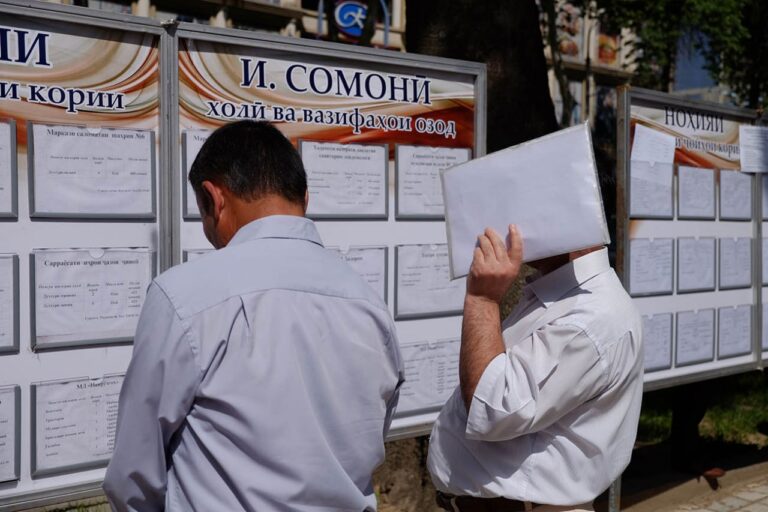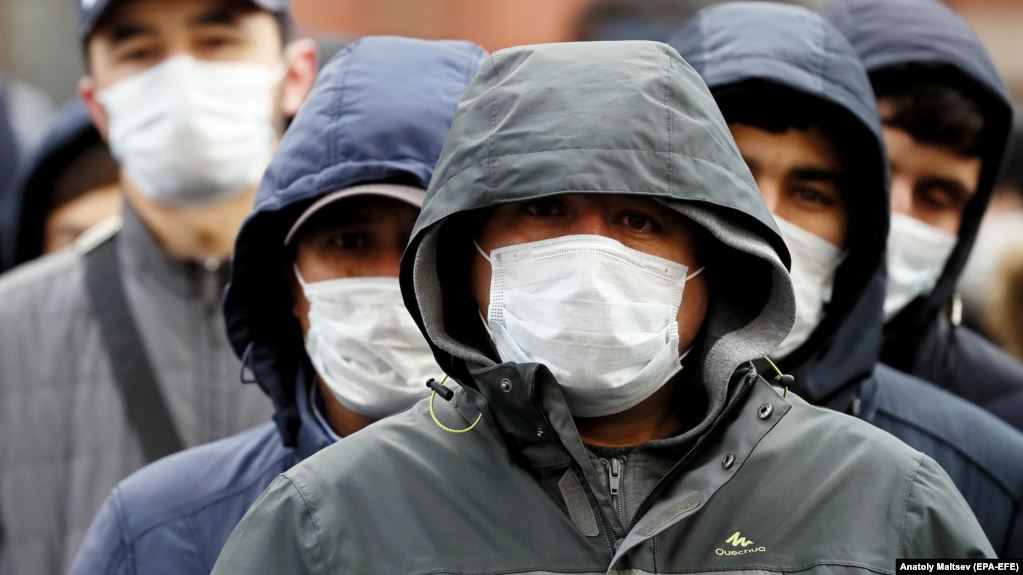
Russia has been a top destination for millions of Central Asian migrant workers since the collapse of the Soviet Union three decades ago and a much smaller portion of the region's laborers went to Kazakhstan in the first years after the Soviet Union’s demise.
Ms. Farangis Najibullah, a senior correspondent for Radio Liberty, notes that number has been steadily growing since 2014, when Russia faced an economic downturn and the sudden collapse of its currency. The declining value of the ruble meant migrants would take home considerably less money after exchanging it for their local currency.
Unprecedentedly high prices for plane tickets amid the coronavirus pandemic and costly work permits in Russia have forced many Central Asian migrants to look for jobs in Kazakhstan, the region's wealthiest country.
According to official statistics, the number of Uzbek migrant workers in Kazakhstan has reportedly increased at least tenfold in the last five years, says an article by Farangis Najibullah.
She notes that before the pandemic, there were an estimated 1 million Central Asian migrants working in Kazakhstan. The exact number there now is reportedly unknown because a significant portion of them work illegally for private employers, avoiding taxes and exploiting their visa-free stays.
The largest group among Central Asian workers in Kazakhstan is from Uzbekistan. Before the pandemic, some sources estimated there to be nearly 360,000. Despite the pandemic-related border closures, there were still some 209,300 Uzbeks in Kazakhstan in January, according to the Uzbek Economy and Poverty Reduction Ministry, the article says.
The second-largest group is Kyrgyz migrants. In January, Kyrgyzstan's State Migration Service said about 35,000 Kyrgyz worked in Kazakhstan, a fellow member of the Russian-led Eurasian Economic Union (EEU). As citizens of an EEU member state, Kyrgyz citizens can legally live and work in Kazakhstan.
According to official statistics from Tajikistan, nearly 14,000 Tajik nationals worked in Kazakhstan before the pandemic.
There is no data available about the number of Turkmen working in Kazakhstan, as the secretive government in Ashgabat doesn't release such information.
Central Asian migrants say Kazakhstan's proximity to their home countries, similarities in their language and culture, and relatively simple requirements to obtain a work permit have made it an attractive place for them to seek work. Russian work-permit requirements also include a test in Russian language and history that migrants don't face in Kazakhstan.
Besides, unlike the situation in Russia, hate crimes and xenophobic attacks on migrants are rare in Kazakhstan. Media and human rights groups have documented multiple cases of attacks — including deadly ones — on migrants in Russia. Russian officials acknowledge the public attitude toward migrant workers has hardened in recent years.
Migrants say that although they earn in Kazakhstan less than in Russia, they don't have to look over their shoulders all the time, constantly afraid of being attacked or insulted.