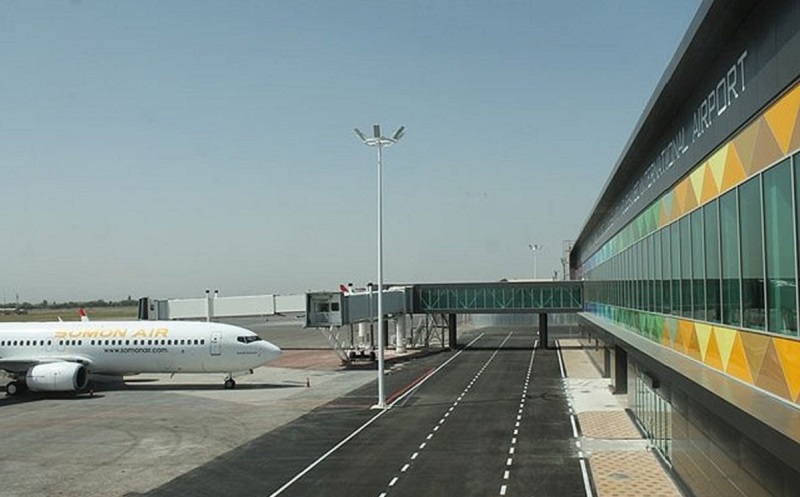
Persons arriving in Tajikistan from abroad are now required to self-isolate regardless of coronavirus test results, and doctors will monitor them for 14 days.
“Since June 24, persons arriving in Tajikistan from abroad need to self-isolate for 14 days,” a source within the Ministry of Health and Social Protection of the Population (MoHSPP) told Asia-Plus in an interview.
“For now it is just a home self-isolation,” said the source. “”Henceforth, citizens returning from abroad will self-isolate at home for 14 days and will be under the supervision of family doctors whether they have symptoms of the disease or not.”
Recall, the Standing Committee on COVID-19 Response of Tajikistan met in Dushanbe on June 21 and officially confirmed that cases of contracting COVID-19 have been reported in some medial facilities of the country.
The authorities said that the public is to blame. The main reason for this new outbreak of the disease is reportedly negligence and non-compliance with certain self-protection deadlines applicable to citizens returning from abroad, as well as other recommendations, like wearing a mask.
32 new cases of the novel coronavirus (COVID-19) were officially confirmed in Tajikistan on June 23 (17 cases were reported on June 21 and 16 other cases were reported on June 22).
Last year, instead of falling in line with international health expert advice on avoiding mass public events, Tajik authorities pushed ahead with a huge party to mark the Navrouz spring holiday on March 21. The virus was confirmed to have spread to Tajikistan when its index cases, in Dushanbe and Khujand, were confirmed on April 30, 2020.
The last time that the Tajik health authorities confirmed any cases of COVID-19 was on January 11.
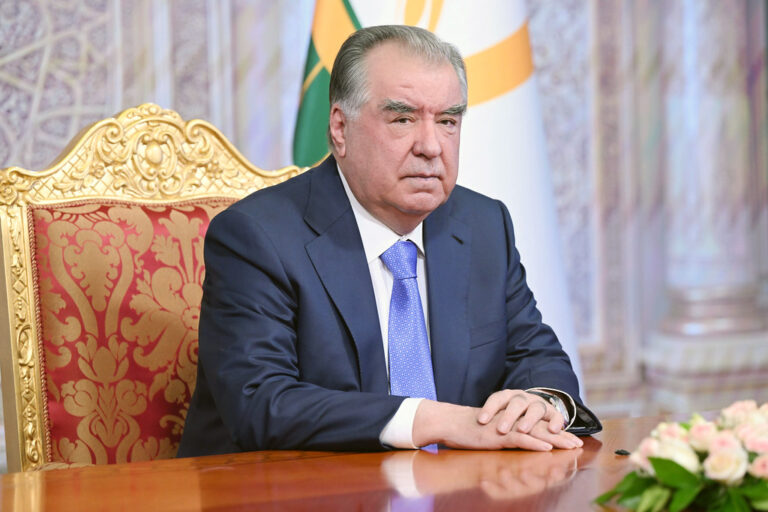
On January 25, in statement delivered at a joint meeting of both chambers of parliament, President Emomali Rahmon declared victory over the COVID-19 outbreak in the country. Thereafter, the health authorities ceased to report COVID-19 cases altogether.
As of June 20, 2021, the government said 13,308 people in total have been found to have the coronavirus virus, and that 99.3 percent (13,218 people) of that total number have since been cured. Only 90 people reportedly died from COVID-19 in Tajikistan.