A delegation of the Tajik Sughd province visits Uzbekistan’s Tashkent region to expand collaboration

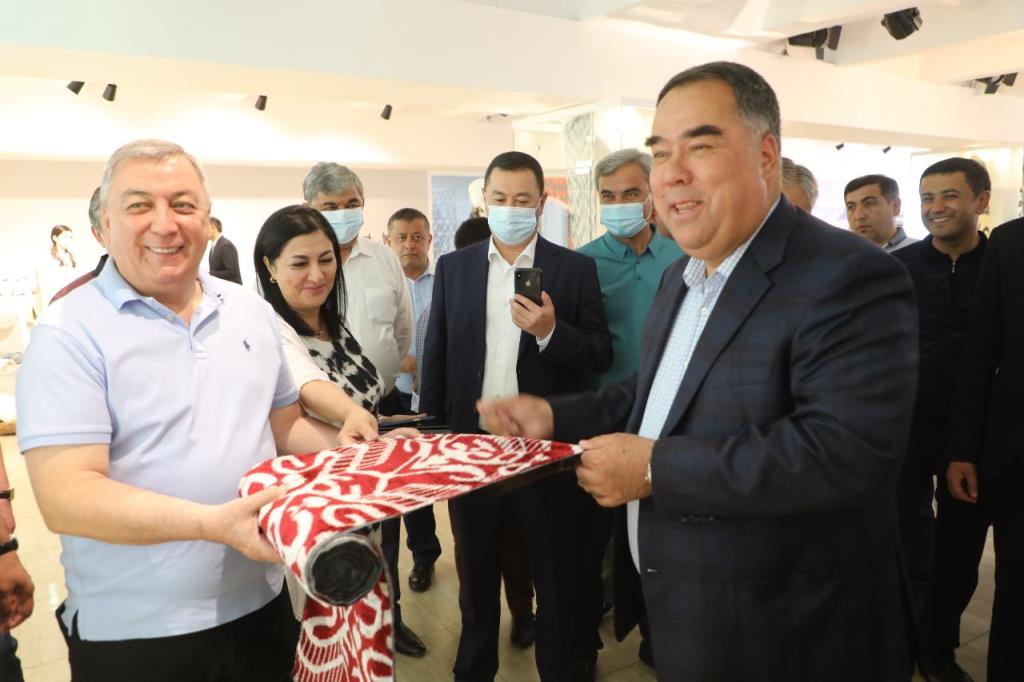
Last weekend, Governor of the Tajik northern province of Sughd Rajabboy Ahmadzoda heading an official delegation visited Uzbekistan’s Tashkent region. The delegation members included heads of Khujand and Guliston cities as well as Bobojon-Ghafourov, Zafarobod and Spitamen districts and top managers of a number of Sughd-based enterprises and farming units, according to the Sughd governor’s […]

Last weekend, Governor of the Tajik northern province of Sughd Rajabboy Ahmadzoda heading an official delegation visited Uzbekistan’s Tashkent region.

The delegation members included heads of Khujand and Guliston cities as well as Bobojon-Ghafourov, Zafarobod and Spitamen districts and top managers of a number of Sughd-based enterprises and farming units, according to the Sughd governor’s office. 

The main purpose of this two-day visit reportedly was for the delegation to expand friendly relations and get acquainted with economic achievements of Tashkent region.   

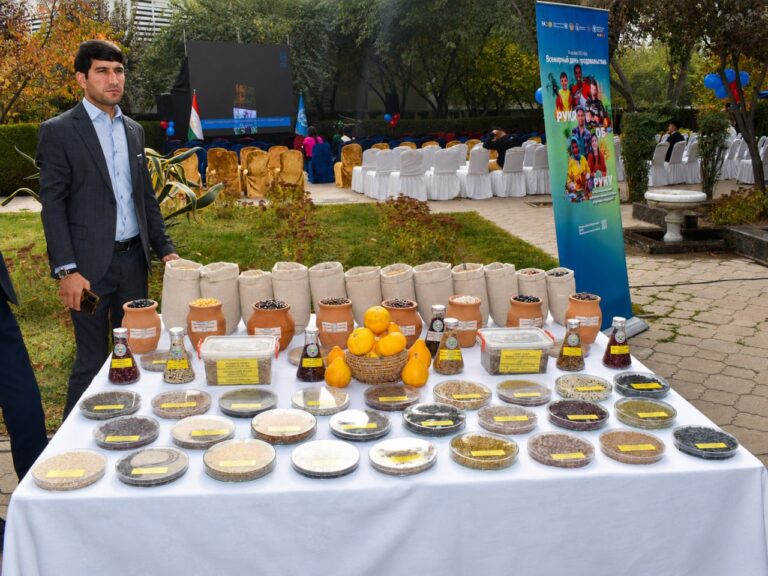
The Tajik delegation visited a number of intensive orchards, innovative greenhouses and enterprises for processing farm produce and the products of livestock systems.  

Members of the Tajik delegation also get acquainted with a number of Tashkent-based industrial enterprises.  

During the visit, Sughd governor held talks with Uzbekistan’s Deputy Prime Minister Sardor Umurzakov, Agriculture Minister Jamshed Khojayev and Tashkent Region governor Davron Hidoyatov to discuss bilateral cooperation.  

Tashkent Region is a region of Uzbekistan, located in the northeastern part of the country, between the Syr Darya River and the Tien Shan Mountains.  It borders with Kyrgyzstan, Tajikistan, Sirdaryo Region and Namangan Region.  It covers an area of 15,300 km². The population is estimated to be around 4,450,000.

Tashkent Region is the most economically developed in Uzbekistan.  Industry includes energy production, mining, metallurgy, fertilizers, chemicals, electronics, textiles, cotton purification, food processing and footwear.

Tashkent Region also has a highly developed agricultural industry, based primarily on irrigation.  The main crops are cotton and hemp, but cereals, melons and gourds, fruit and vegetables and citrus fruits are increasing.  Livestock is also important.

The region has a well-developed transportation infrastructure, with over 360 kilometers of railways and 3,771 kilometers of surfaced roads.   

 

Join us on social media!

Article translations:

Related Article

Оби зулол
Tenisi
Оби зулол

Most Read

Коммерсбонк Точикистон

Recent Articles

RZD announces the restoration of passenger services between Moscow and Dushanbe

Direct rail services between the capitals of Russia and Tajikistan were suspended in March 2020 due to the COVID-19 pandemic.

#AP30/Stories. “Selam! Heller nichek?” How Tatars live today in Sughd province

On the 30th anniversary of "Asia-Plus," we continue to publish reports that remain relevant even after years. This story was told in 2021, and since then, little has changed in the life of the Tatar community in Tajikistan.

15,000 cameras, drones, and robots: how technology monitors pilgrims in Mecca and Medina

During Hajj 2026, Mecca and Medina were under unprecedented digital control.

Another child in Dushanbe removed from family and sent to boarding school

The Ministry of Internal Affairs reports that the parents did not pay adequate attention to the child.

Emomali Rahmon instructs to address issues in seed production following criticism of the industry

Issues have been noted with certification, seed quality, and the material and technical base of the industry.

Water, climate, and a $130 billion deficit: seven key outcomes of the Water Conference in Dushanbe

At the forum, countries and international organizations discussed new mechanisms for cooperation, investments, and technologies that are essential for addressing the global water crisis.

Eskhata Bank introduces a new generation children’s wallet

"Eshkata Bank" has created a full-fledged digital platform that helps children aged 7 to 16 learn how to manage money.