Tajikistan’s population is seriously concerned over increasing prices for petroleum products in the country because a fuel price hike inevitably leads to increase in the price of basic food products. It is to be noted that over the first seven months of this year, gasoline has risen in price more than all other goods in Tajikistan.
Current average price of one liter of gasoline in Tajikistan is 10.15 somonis, fluctuating from 9.8 somonis to 10.20 somonis, depending on the region.
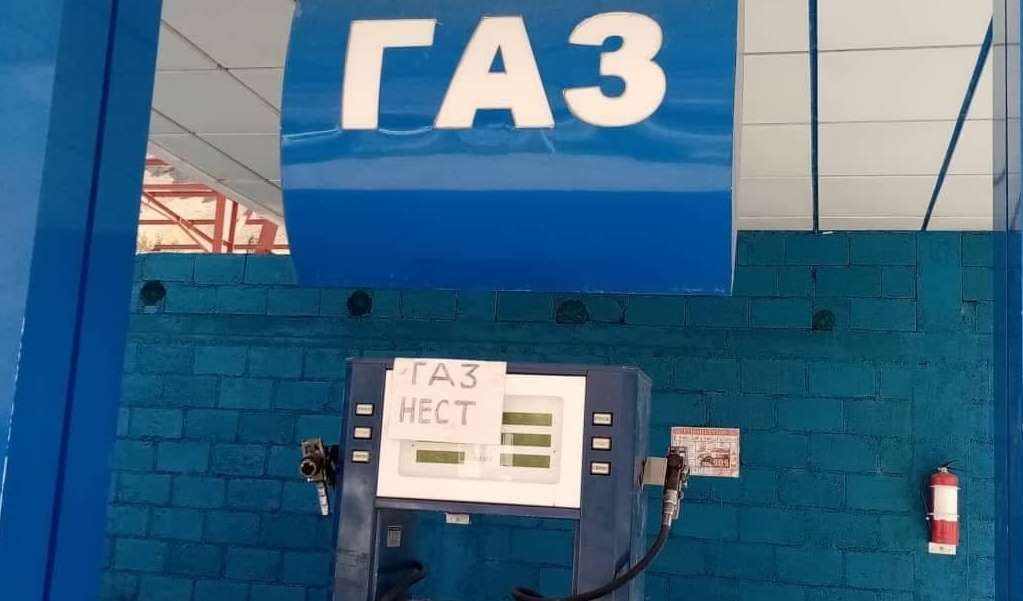
Current average price for one liter of liquefied natural gas (LNG) in the country is 7.45 somonis, fluctuating from 7.00 somonis to 7.70 somonis, depending on the region.
Usually, three brands of gasoline are delivered to Tajikistan: 92-octane gasoline; 95-octane gasoline; and 98-octane gasoline.
The price of one liter of 92-octane gasoline, which is the most sought-after grade of automobile gas in the country, rose in Dushanbe from 9.00 somonis in June to 10.00 somonis on August 17, with similar price rises in other parts of the country.
The current price for one liter of 95-octane gasoline in Dushanbe is 10.50 somonis.
Other types of motor fuel have also risen in prices over the first six months of this year. The prices of diesel fuel and LNG have also dramatically risen over the same seven-month period.
The price for one liter of LNG in Dushanbe rose from 5.20 somonis in June to 7.20 somonis on August 17.
More than 60 percent of the country's motor vehicles use liquefied gas as fuel, and therefore, a sudden spike in LNG prices has led to increase of some public transport fares in the country.
Thus, so-called shared taxis have raised fares from 5.00 somonis per set to 7.00 somonis per seat.
Shared taxis follow a set route. These cars don’t always show their numbers as they are not strictly legal. Often they flash their lights at you and display a number with their fingers or hold up a sign in their hands. Just wave your hand to get their attention. You pay at the beginning of the ride.
Public transport and taxi fares haven’t risen yet, but drivers complain that there is almost no point in working with such fuel prices and current tariffs.
Representatives of taxi companies operating in the Tajik capital say taxi drivers have expressed dissatisfaction with the increase in fuel costs and now the issue of increasing the cost of taxi fares is being considered.
Representatives of the Dushanbe Administration say they are still analyzing the situation and are in no hurry to resolve the issue of raising public transport fares.
Meanwhile, a high-ranking official with the Dushanbe Administration has told Asia-Plus that the issue of raising public transport fares is being considered against the backdrop of rising fuel prices in the country.