The Asian Development Bank (ADB) has approved a new energy policy to support universal access to reliable and affordable energy services, while promoting the low-carbon transition in Asia and the Pacific, according to press release issued by ADB.
ADB’s new energy policy will support its developing member countries (DMCs) in the critical and urgent task of expanding access to reliable, affordable, and clean energy.
Progress on access to energy has been rapid across developing Asia and the Pacific. But roughly 350 million people in the region do not have an adequate supply and about 150 million people still have no access to electricity, the press release says.
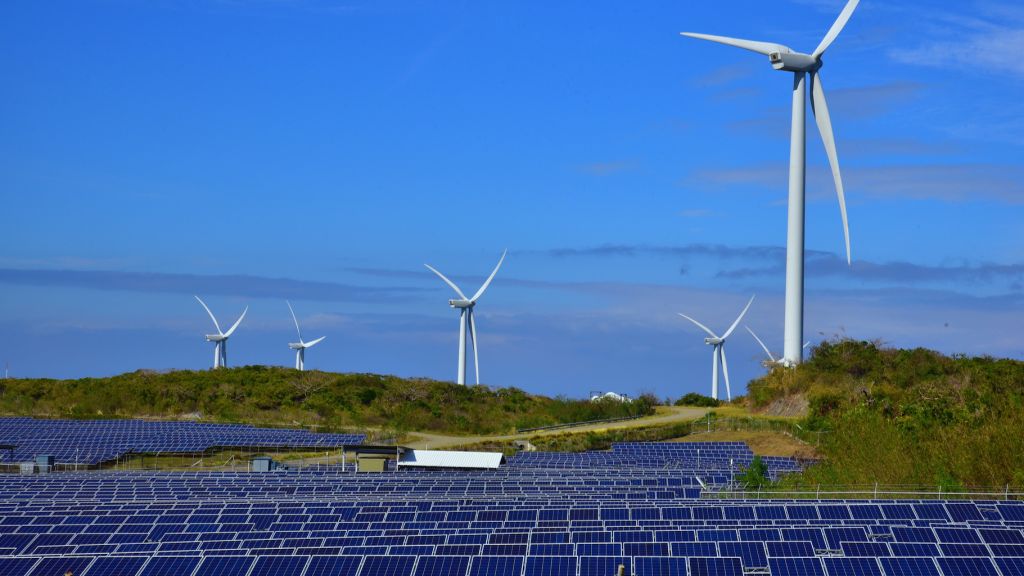
Continuing economic growth and urbanization will require developing affordable and reliable energy systems with substantial additional electricity-generating capacity. To respond, International Energy Agency scenarios suggest the region’s installed electricity-generating capacity could increase by about 7% per annum, from 3,386 gigawatts in 2019 to 6,113 gigawatts by 2030. Investments in renewable energy generation in the region could reach US$1.3 trillion per annum by 2030, doubling the amount from the previous decade.
ADB’s 2021 Energy Policy will guide ADB support to the region as it responds to these changes both in terms of energy access and security, and climate change and environmental sustainability. The policy is based on five principles: 1) securing energy for a prosperous and inclusive Asia and the Pacific; 2) building a sustainable and resilient energy future; 3) supporting institutions, private sector participation, and good governance; 4) promoting regional cooperation and integration; and 5) integrated cross-sector operations to maximize development impact.
Consistent with ADB’s Strategy 2030, the policy adopts a common but differentiated approach in line with each DMC’s level of economic development, resource endowment, respective capabilities, and nationally determined low-carbon transition pathway. ADB will prioritize essential energy access in the poorest and most vulnerable countries through greater use of low-carbon and renewable energy sources and rehabilitate infrastructure to enhance energy security and climate resilience.
ADB has made a significant contribution to the region’s energy sector with total financing of over $42 billion from 2009 to 2020 but the region’s energy financing needs far exceed the resources of any single actor. The new policy prioritizes ADB’s resources to leverage commercial financing where possible to tackle the most difficult energy challenges.
ADB is committed to aligning all its operations with the goals of the Paris Agreement and this month raised its ambition to deliver US$100 billion in cumulative climate financing from its own resources from 2019-2030. This will support climate adaptation and mitigation in all sectors including energy. At least 75% of ADB’s operations by number of projects will feature climate adaptation and mitigation initiatives by 2030.
Established in 1966, the Asian Development Bank is owned by 68 members—49 from the region.