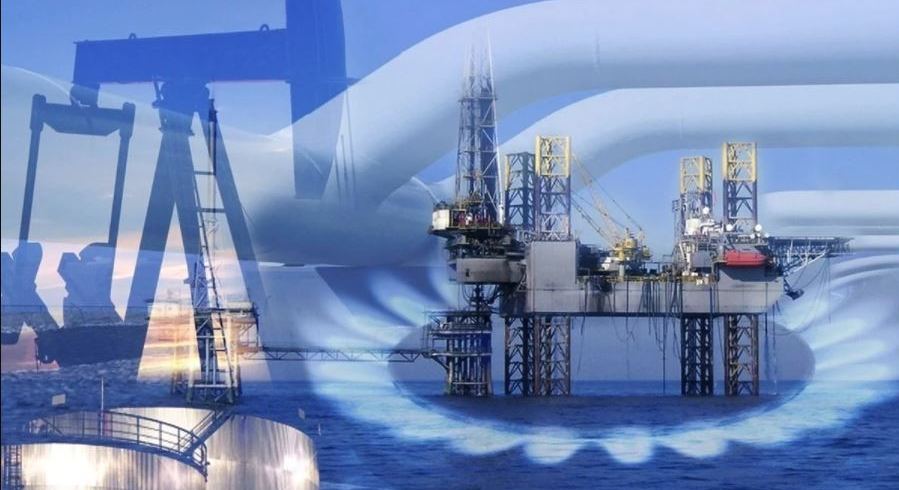
World Bank’s Commodity Markets Outlook: Urbanization and Commodity Demand (October 2021) prices continued to surge in the third quarter of 2021 while most non-energy prices plateaued following steep increases earlier in the year. After reaching all-time highs, natural gas and coal prices are expected to decline in 2022 as demand growth slows and supply constraints ease. Crude oil prices are forecast to average US$74/bbl in 2022, up from a projected US$70/bbl in 2021.
The report notes that energy prices rose sharply in 2021Q3. Adverse weather has buffeted many commodity markets: unusually high summer temperatures increased demand for electricity; droughts reduced hydroelectricity supply and affected some agricultural commodities. Commodity markets have also been affected by the uneven recovery from the COVID-19 pandemic and supply chain disruptions.
Energy prices reportedly rose by 16 percent in 2021Q3 (q/q), continuing their upward trajectory since the start of the year, with natural gas and coal prices rising much faster than crude oil prices. Crude oil prices averaged US$72/bbl in 2021Q3, an increase of 7.0 percent on the previous quarter, but with prices fluctuating significantly during the period.
After rising 70 percent in 2021, crude oil prices are expected to average US$74/bbl in 2022 as global production recovers, while natural gas and coal prices are expected to fall in 2022 as production constraints ease, according to the report.
The World Bank’s Commodity Markets Outlook is published twice a year, in April and October. The report provides detailed market analysis for major commodity groups, including energy, agriculture, fertilizers, metals, and precious metals. Price forecasts to 2035 for 46 commodities are presented, together with historical price data. The report also contains production, consumption, and trade statistics for major commodities. Commodity price data updates are published separately at the beginning of each month.
It is to be noted that Tajikistan remains a net fuel importer. Russia and Kazakhstan provide the bulk of Tajikistan’s fuel imports.
This year, an average retail price for gasoline in Tajikistan has risen 74 percent, for diesel fuel — 69 percent, and for liquefied natural gas (LNG) – 76 percent. Price hike has resulted from world oil market trends
The fuel hike has led to almost a 50 percent increase in public transport fares in Dushanbe and increase in the price of basic food products in the country.
According to official statistics, prices of foodstuffs has increased by 10.2 percent over the first nine months of this year, and non-foodstuffs have risen in cost by 5.8 percent over the reporting period 8.3 percent.