Human Rights Watch (HRW) has called on the European Union to press Central Asian governments to end rights violations and engage in meaningful reform at a time when the crisis in Afghanistan is high on the agenda following the Taliban takeover of the war-torn country in mid-August.
In statement released ahead of today’s EU-Central Asia meeting in Dushanbe, the New York-based human rights watchdog noted on November 19 that the European Union should urge Central Asian governments to increase efforts to protect human rights, at a time when Afghanistan and regional issues are high on the agenda.
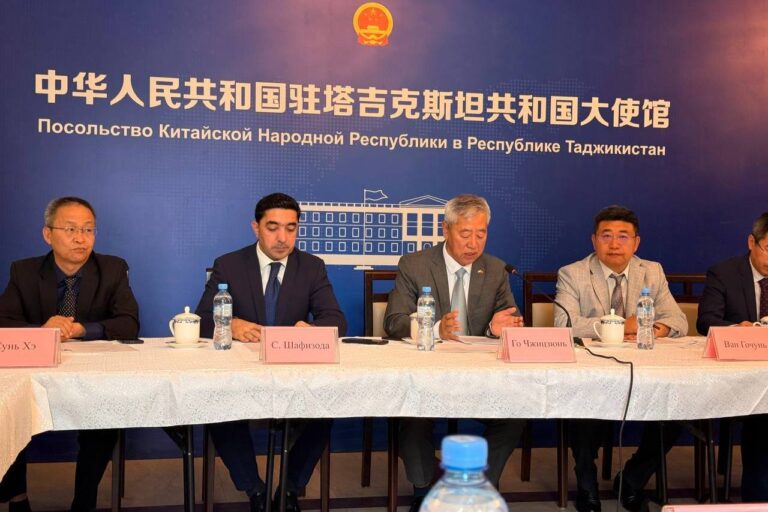
The EU’s foreign policy chief, Josep Borrell, and the foreign ministers from Kazakhstan, Kyrgyzstan, Tajikistan, Turkmenistan, and Uzbekistan, met today at the 17th EU-Central Asia Ministerial meeting in Dushanbe. This is the first such meeting since the Taliban took power in Afghanistan in mid-August.
“Some Central Asian countries are playing an important part in the global response to the crisis unfolding in Afghanistan, but domestic human rights concerns are also central,” Hugh Williamson, Europe and Central Asia director at Human Rights Watch, said in a statement.
“Central Asian countries and Iran and Pakistan, as neighboring countries, bear the most burdens from displacement from Afghanistan’s instability and humanitarian and economic crises. These countries should press the UN Security Council, the EU, the US, and other governments, to adjust current economic restrictions and sanctions that are contributing to the country’s plight, Human Rights Watch said.
Issues around security and migration have reportedly dominated public engagement by European leaders with Central Asia in recent months. In August, EU Council President Charles Michel held discussions with heads of states of all Central Asian countries but failed to mention in public the human rights situation in the region. In October, during Tajik President Emomali Rahmon’s visit to Brussels and Paris, neither High Representative Borrell nor French President Emmanuel Macron made any reference to human rights in their public declarations.
The EU adopted a new strategy for Central Asia in 2019 setting objectives for human rights protection in the region; however, issues regarding security and migration have dominated public engagement by the EU and some European governments with Central Asia in recent months, HRW said.
This comes at a time when promises of reforms have stalled or backtracked in countries like Kazakhstan, Kyrgyzstan, and Uzbekistan, while Tajikistan and Turkmenistan’s repressive human rights records have continued to worsen, according to the group.
In Tajikistan, the human rights watchdog said, the authorities “harass and imprison” government critics, as well as foreign-based dissidents and their family members within the country. Access to critical websites reportedly remain blocked, while human rights groups “routinely face harassment.”