Tajik experts warn that the use of coal poses serious environmental problems. However, the authorities say that thanks to coal, they can heat the capital city and create additional jobs.
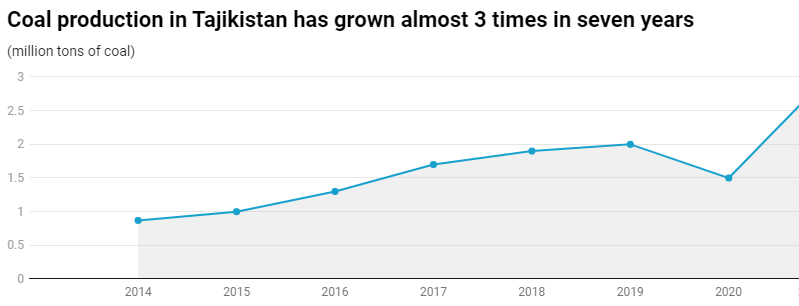
Citing the Ministry of Industry and New Technologies of Tajikistan, CABAR.asia says coal production in the country in the first eight months of this year amounted to 1.25 million tons, which is 33,000 tons more than in the same period last year.
For comparison, during 2014, 870,000 tons of coal were mined, and in 2001 – about 20,500 tons.
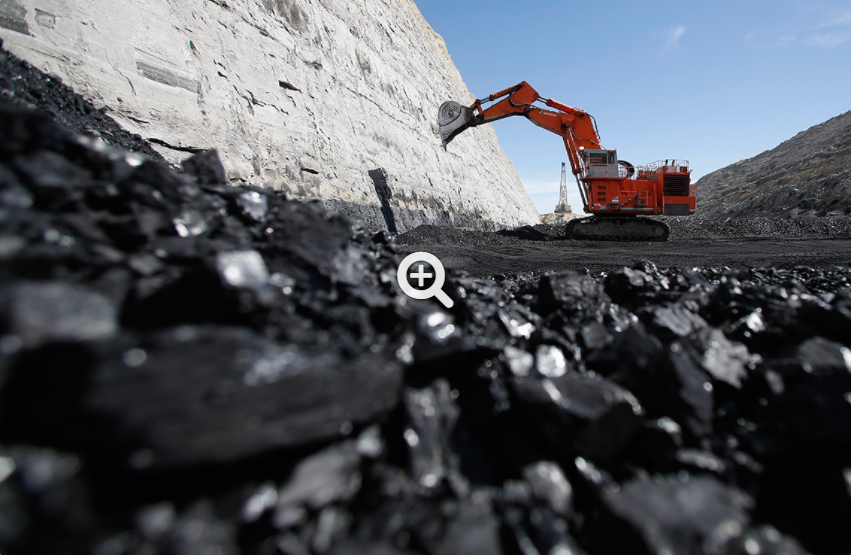
Substantially, this fuel is mined at the enterprises of the coal mines Fon-Yagnob and Ziddi.
The authorities say the increase in coal production in the country will heat houses and create additional jobs. However, experts predict that in the event of an increase in coal production, Tajikistan may face serious environmental problems.
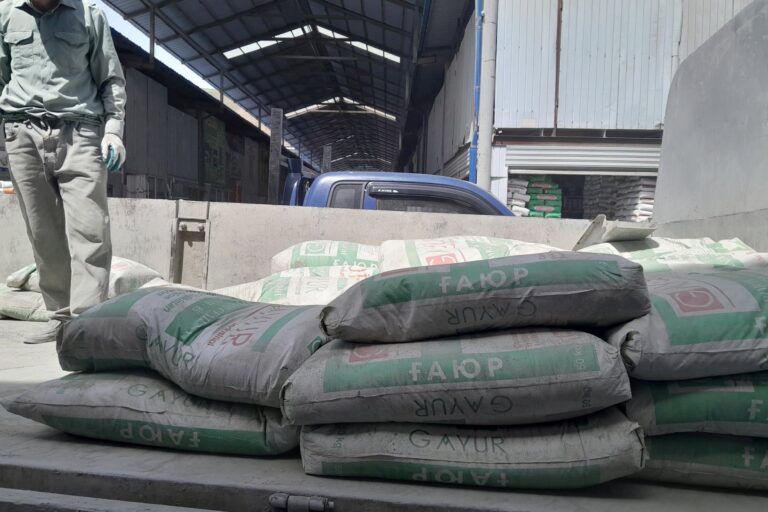
Ms. Muazzama Burhonova, head of the environmental organization Dastgiri, is concerned that emissions from coal and cement plants in Dushanbe are seriously damaging the health of residents.
She considers that Tajikistan has the ability to reduce emissions of carbon dioxide, which is generated by burning coal. Ms. Burhonova believes that cement plants should purchase special cleaning equipment from Chinese companies, which is quite expensive.
“At the same time, the Dushanbe-2 CHP plant and cement plants could switch to using gas instead of coal, which will reduce emissions of pollutants,” she told CABAR.asia in an interview..
Also, the reduction of carbon dioxide emissions into the atmosphere can be achieved thanks to energy-saving technologies and the gradual transition of enterprises to the use of electricity generated by hydropower plants in Tajikistan.
Timur Idrisov, an independent environmental analyst, notes that mining and usage of coal has a "multilateral, negative impact on the environment".
More than 200 enterprises in the country are currently using coal, according to the Ministry of Industry and New Technologies. There are more than 36 fields in Tajikistan, which contain almost all types of coal, according to CABAR.asia.
The combined heat and power (CHP) plant Dushanbe-2 is the main consumer of coal in the country. By the end of August, in accordance with the approved schedule, the Dushanbe-2 CHP plant had reportedly shipped more than 740,000 tons of coal.
A representative of the Dushanbe-2 CHP plant told CABAR.asia in an interview that 99.9 percent of emissions are collected in special bags and only 0.1 percent goes to the atmosphere. According to him, Tajikistan can stop mining and using coal only as a result of the construction of hydroelectric power plants.
Experts say Tajikistan is the country where coal is currently the number one fuel and the country's economy to some extent depends on it.
Tajik economist Abduraqib Qodirov says that in the current environment, there are serious problems with the supply of oil and natural gas. Therefore, it is almost impossible to abandon coal in the country in the coming decades. According to him, in this case, the only hope for the country and the people is coal, which can be used to heat houses in winter.
At the same time, the expert says that now there is no real alternative to coal in Russia, Tajikistan, and Kazakhstan.
In Tajikistan, residents of the country's regions widely use this type of fuel in the cold season, although they are aware of its danger. Several people in the country die from carbon monoxide gas every year.