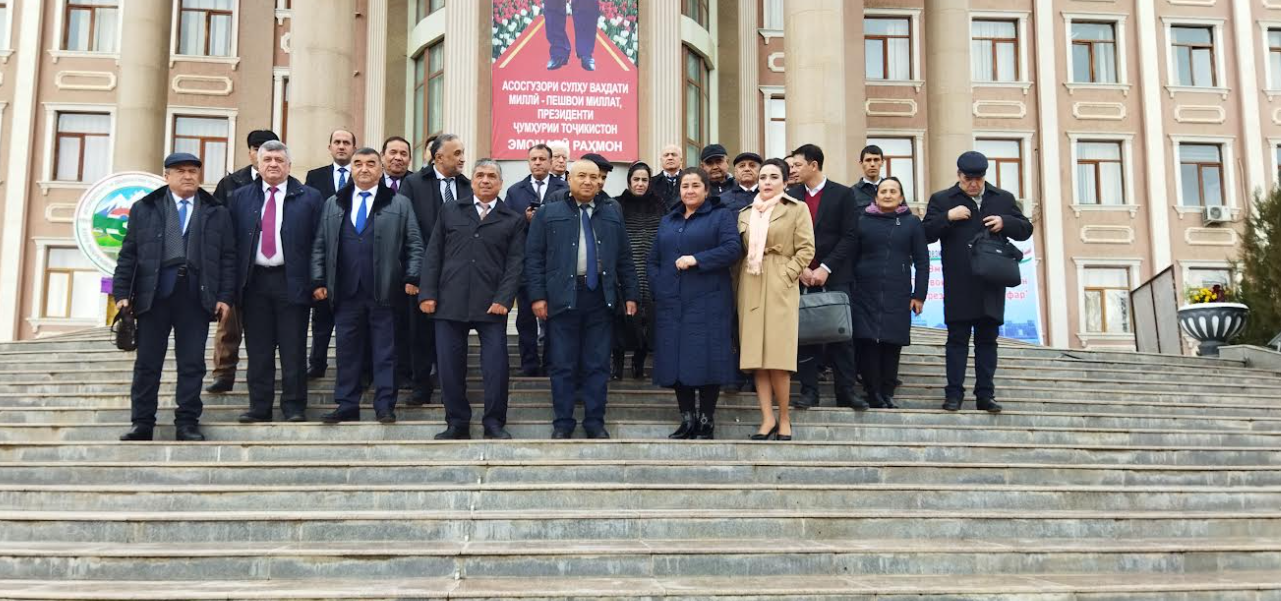
Issues of training of qualified local engineers and other important specialists for the Tajikistan textile and clothing sector were the main theme of a sectoral roundtable, which was held in Danghara on November 18.
Initiated by the Union of the Private Sector Development of Tajikistan (UPSDT) and hosted by the Danghara State University, the event reportedly brought together experts, representatives of textile and clothing companies, educational institutions, relevant ministries and international organizations active in Tajikistan to discuss cooperation between government bodies, educational institutions and the private sector to find ways of development of the textile and clothing sector in the country with a special attention focused on the issues to expand the collaboration between the industry and the educational institutions to create more educational opportunities in the sector, says press release issued by UPSDT.
Mr. Fayzalli Rajabov, Chairman of Board of the Union of Private Sector Development of Tajikistan, says: “Modern knowledge is a vital for a business to grow from a domestic industry to an international. Challenges to find competent professionals in core functional areas create serious barriers in the industry’s ability to compete effectively. In our round table we raised issues related to updating curriculum to meet qualifications standards, improving quality of teaching, strengthening teachers’ capacity, attracting promising youths and talents to the industry, and etc.”
The participants, in particular, discussed the state and prospects of further expansion of cooperation between the textile and clothing industry and the educational institutions and identified new opportunities to intensify this cooperation.
Besides, the standardization of teaching methods and programs, provision of internship opportunities for students and further employment with attractive and competitive job offers were discussed.
Representatives of the Ministry of Industry and New Technologies and the Ministry of Labor, Migration and Employment of the Population, officials and professors from Dushanbe, Khujand, Danghara and Isfara sectoral universities, as well as guests from Uzbekistan’s Namangan region reportedly noted the importance of focusing on these issues.
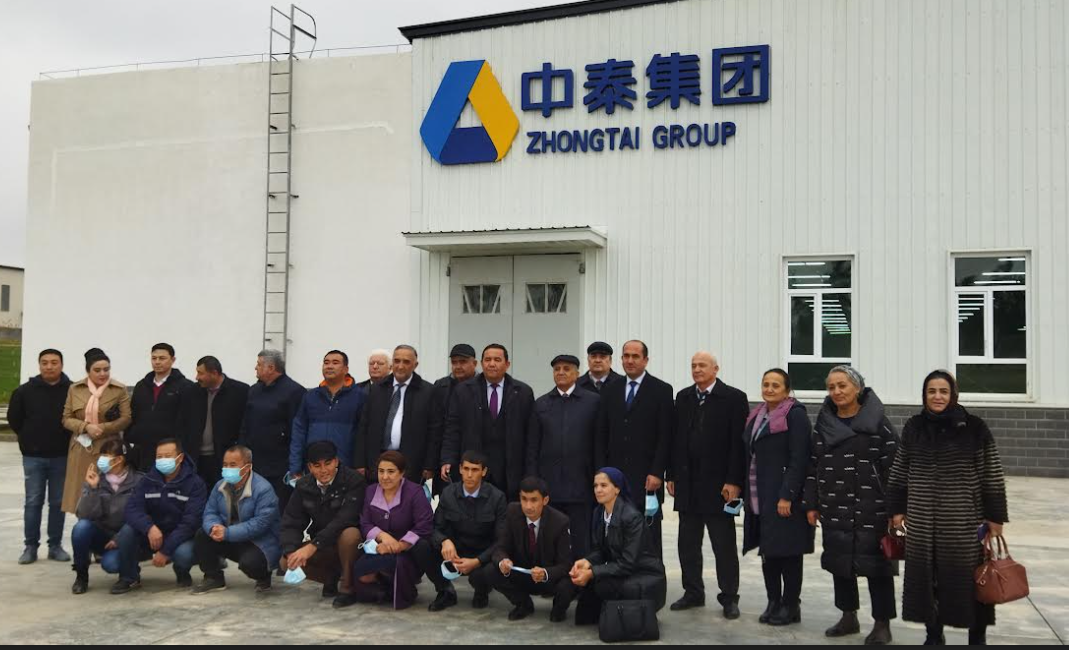
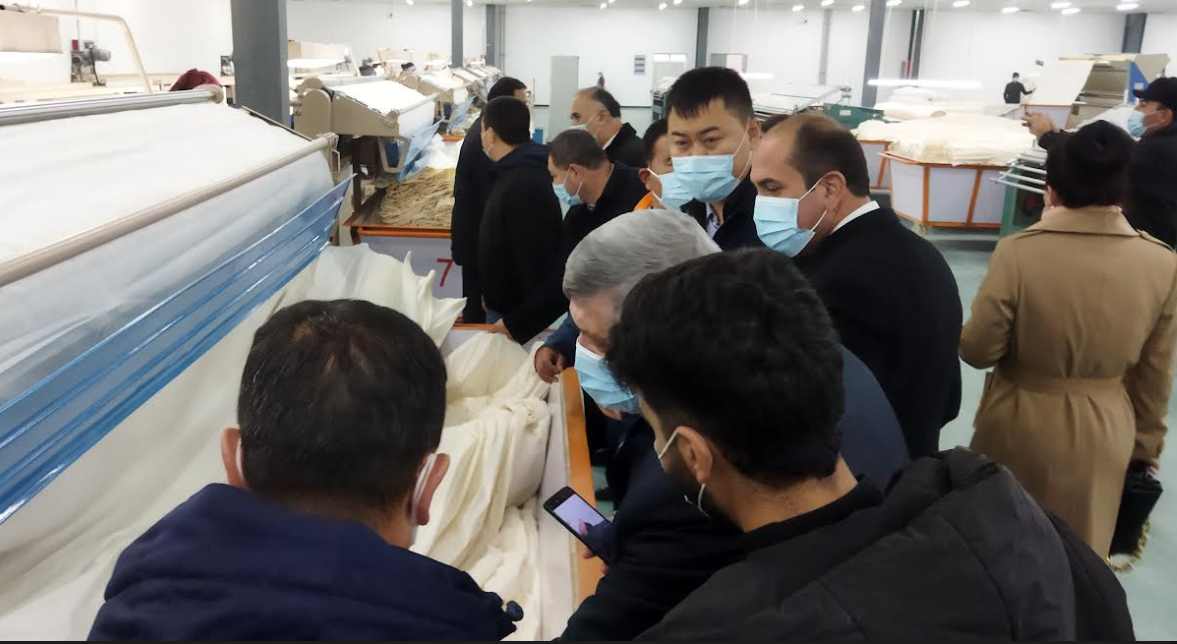
The event participants also visited local textile complex Jungtai-Danghara Sin Silu Textile and the Chamanoro Educational Center at the Danghara State University and got acquitted with structure, modern technologies, quality management, marketing and sales management, and etc.
The roundtable was organized by the Union of Private Sector Development of Tajikistan within the framework of the Global Textile and Clothing Program (GTEX) in Tajikistan, which is implemented by the International Trade Center (ITC) and funded by the Government of Switzerland, and in cooperation with the Ministry of Industry and New Technologies of Tajikistan.