The coming cold can be a real test for many residents of Tajikistan as coal prices have risen in Tajikistan as coal prices have increased in the country following fuel prices.
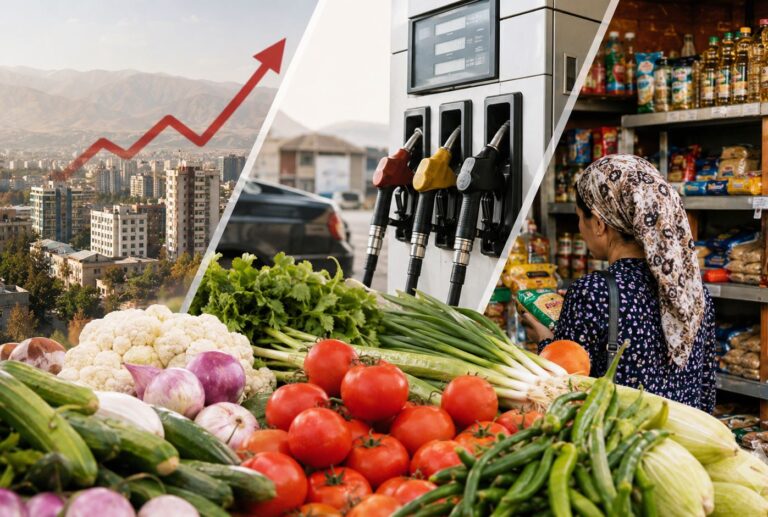
This year, coal prices in Tajikistan has risen on average about 45-50 percent — in districts adjacent to the capital, the price for one ton of coal has risen from 1,200 somonis to 1,800 somonis, while in the Gorno Badakhshan Autonomous Region (GBAO), the price of one ton of coal has risen from 1,500 somonis to 2,200 somonis.
Coal sellers in GBAO say only a few in the area can now afford to buy coal.
Coal sellers in the regions say the price hike has resulted from the rising wholesale prices.
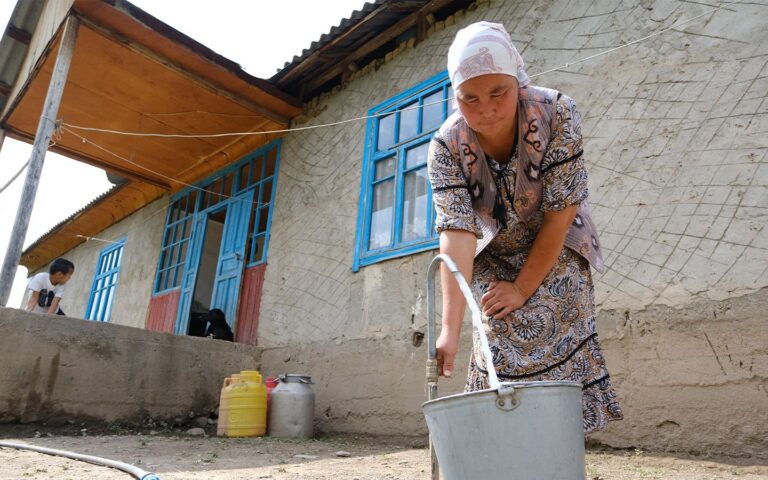
The majority of people looking to keep their homes warm in Tajikistan are now forced to limit themselves to firewood and pressed dungю
Meanwhile, representatives of the Ministry of Industry and New Technologies (MoINT) say coal production in the country remains almost unchanged and there are more than enough coals in the warehouse.
About 1.8 million tons of coals have reportedly been extracted in Tajikistan over the first ten months of this year, which is only 0.4 percent fewer than in the same period last year.
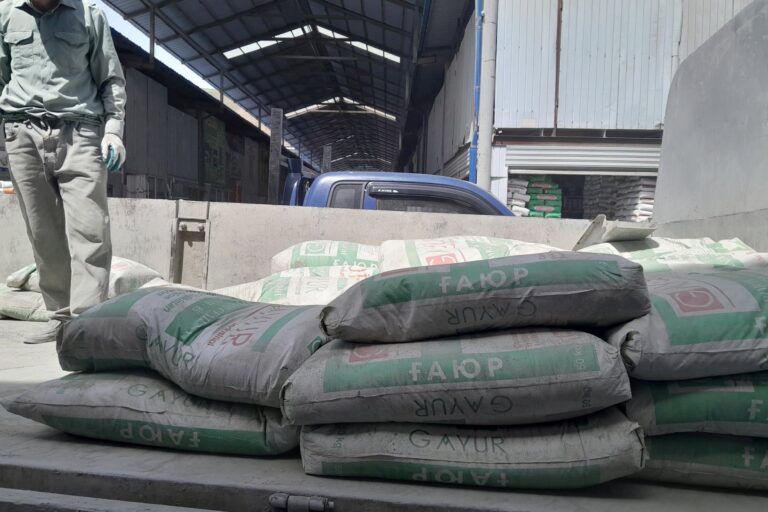
According to official statistics, coal prices in Tajikistan have risen only 7.0 percent over the first ten of this year. In warehouses of coal mining companies, the price for one ton of the low quality coal is reportedly 300.00 somonis and the price for one ton of the highest quality coal is 615.00 somonis.
Fourteen companies are now engaged in coal extraction in Tajikistan, and five of them – Fon-Yaghnob, Talco-Resurs (Talco-Resource), KMT Ltd, Ziddi and Open Joint-Stock Company (OJSC) Angisht account for 90 percent of more than 90 percent of the whole volume of coal production in the country.
An official source at a MoINT says, “There can be no claims to producers either in terms of production volume or cost. In recent year, production of coal has slowed down due to the fact that surface coal reserves (surface mining) have decreased and the coal mining companies are shifting to the underground mining.”
The source also noted that a slight rise in prices set by coal producers has resulted from shifting to the underground mining, because the underground mining requires additional investment. “It is necessary to purchase appropriate technologies, create infrastructure for lifting coal to the surface. Accordingly, the cost of fuel increases,” he added.
Since 2007, more than 160 industrial enterprises in Tajikistan have been shifted to coal and exploration and development of coal fields has been intensified in Tajikistan since 2012 when Uzbekistan stopped gas shipments to Tajikistan.
Coal deposits of Tajikistan are reportedly concentrated in two coal basins: Tajik (Gissar-Darvaz) and Fergana. The first of them covers the absolute majority of deposits and occurrences concentrated in central and southern Tajikistan. Deposits and occurrences of northern Tajikistan belong to the South Fergana coal basin.
The coal deposits of the Tajik coal basin in the vast majority of cases are exposed in the mountain ranges of the Tien Shan and Pamir-Alay, framing the Afghan-Tajik basin.
On the territory of Tajikistan there are four regions of development of carbonaceous deposits, each one has a number of characteristic features according to geological zoning: 1) Zarafshan-Gissar; 2) South-Gissar; 3) the Pamir Darvaz; and 4) south-Fergana
The biggest region, largest in acreage coal-bearing area that has the maximum number of coal veins, is Zarafshan-Gissar. The coal-bearing strata extend in almost uninterrupted strip from Panjakent to the river head of the Zarafshan River.
Meanwhile, Tajik ecologists express concern about increase in production of cola in the country.