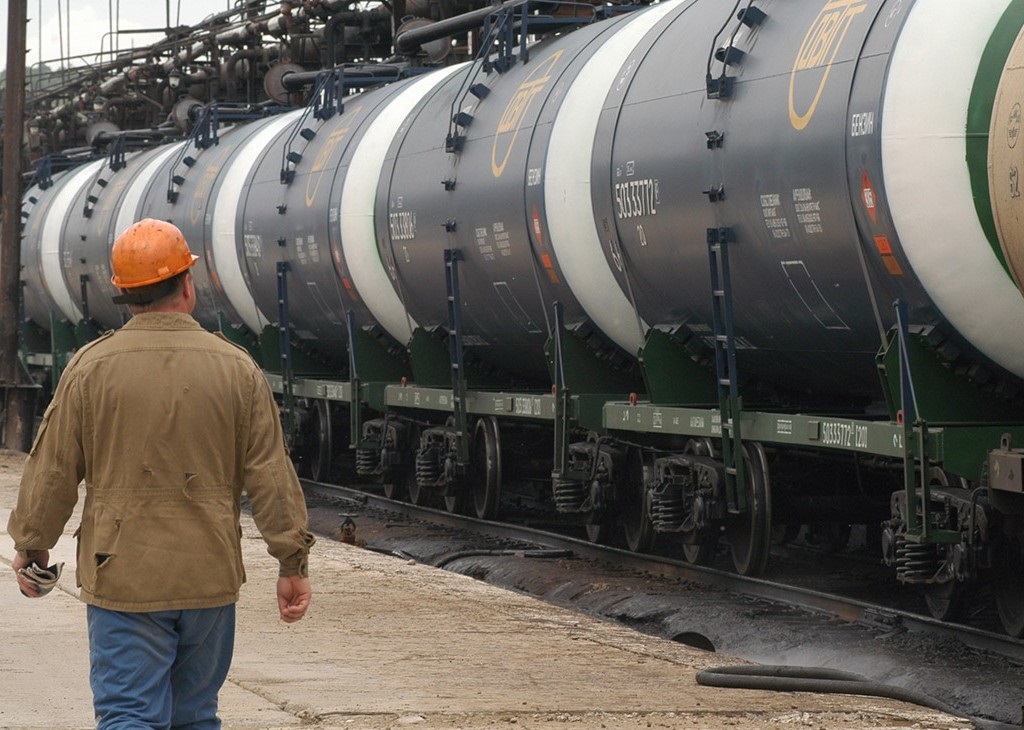
Over the first ten months of this year, Tajikistan has imported more than 495,000 tons of petroleum products, which is 1.4 percent more than in the same period last year, according to the Agency for Statistics under the President of Tajikistan.
Purchase of the mentioned volume of fuel from producers and its delivery to the customs border of Tajikistan have reportedly cost Tajik fuel suppliers at 312 million U.S. dollars, which is 34.8 percent more compared to the same period last year.
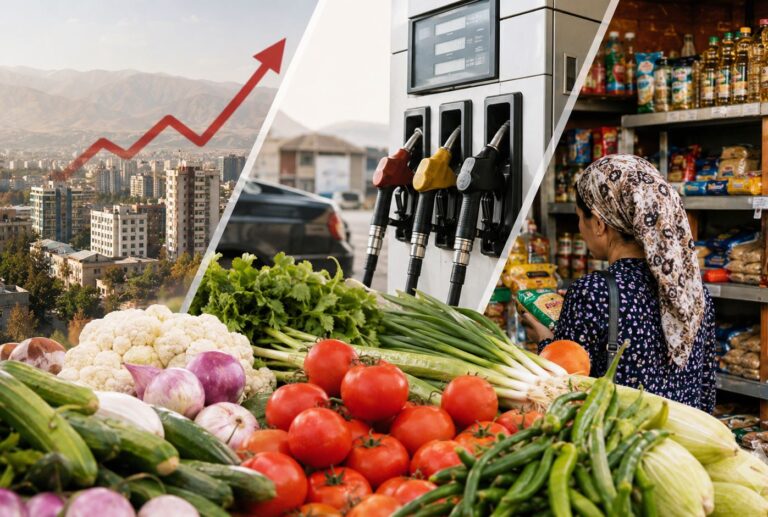
According to official statistical data, gasoline prices in Tajikistan have risen 70 percent in January-October this year and diesel fuel prices have risen in the country 56 percent over the same ten-month period.
Russia provides the bulk of Tajikistan’s gasoline and diesel fuel imports. The Omsk and Orsk ore refineries account for 90 percent of petroleum products imported by Tajikistan over the reporting period.
Since 2013, more than 90 percent of all petroleum products have been imported into Tajikistan from Russia on concessional terms.
In accordance with amendments made to the government-to-government agreement between Tajikistan and Russia on petroleum product deliveries to Tajikistan, Tajikistan should provide its proposals on formation of the indicative fuel balances to Russia every year until September 5
Relevant bodies of the two countries should coordinate Tajikistan's internal fuel consumption volumes for the next year and sign indicative balances until October 1.
Besides, Tajikistan should provide information on implementation of indicative balances for nine months and the expected implementation of them during the current calendar year to Russia every year until November 15.
The sides can change the volumes of provided duty-free petroleum products for the current year until August 20 taking into account the reasonable change of internal consumption in Tajikistan.
Recall, Tajikistan was exempted from paying Russian tariffs on oil and gas exports from 1995-2010 and Russia cancelled Tajikistan’s tax exemption on May 1, 2010 that resulted in gasoline prices rising in the country.
The agreement on duty-free Russian oil product deliveries to Tajikistan was signed between the governments of Russia and Tajikistan in Moscow on February 6, 2013
Under this agreement, the sides consider and endorse the indicative fuel balance for the next calendar before October 1 of each year. Fuels delivered in addition to the indicative fuel balance will be liable to export duty.
Russian petroleum products delivered to Tajikistan in the volumes not exceeding those agreed on indicative balance are not subject to re-export to the third countries.
In particular, Tajikistan can receive 260,000 tons of gasoline, 310,000 tons of diesel fuel, 40,000 tons of jet fuel, 30,000 tons of fuel oil, 40,000 tons of bitumen, 100,000 tons of petroleum coke and 50,000 tons of liquefied natural gas (LNG) duty-free.
The main supplier of petroleum products to Tajikistan is Gazpomneft-Tajikistan Ltd, which now accounts for more than 40 percent of Tajikistan’s fuel imports.