



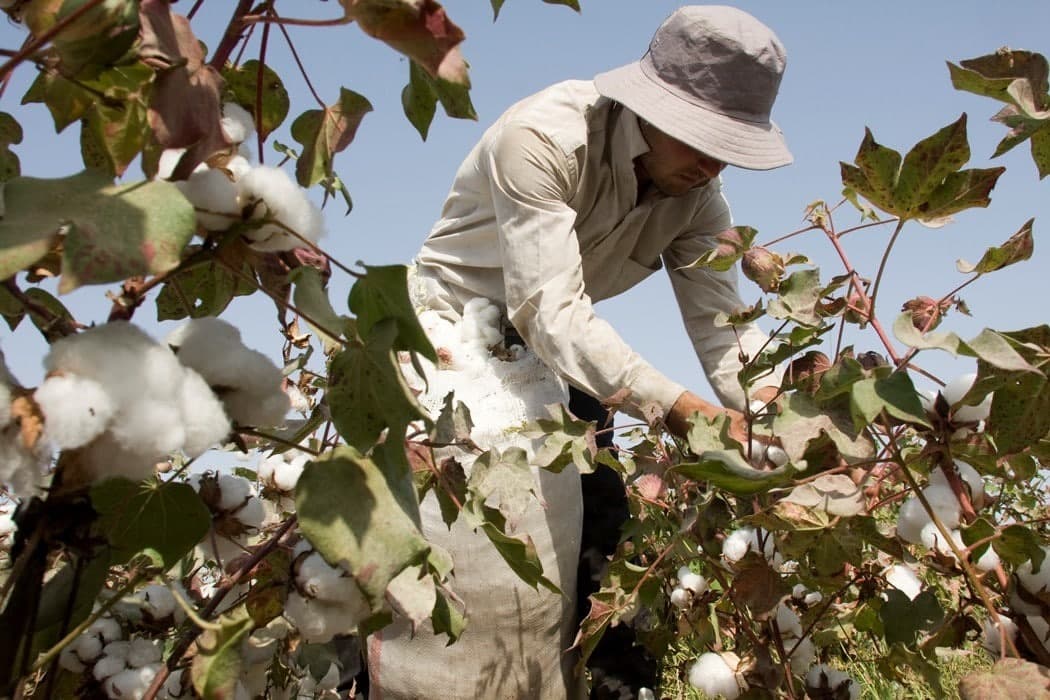
Tajik cotton growing districts have yielded more than 404,000 tons of raw cotton this year, which is 30,000 tons more than last year, according to the Ministry of Agriculture (MoA).
Only 20 percent of the cotton Tajikistan produces is processed into manufactured goods in Tajikistan, while the remainder is exported for manufacturing outside the country.
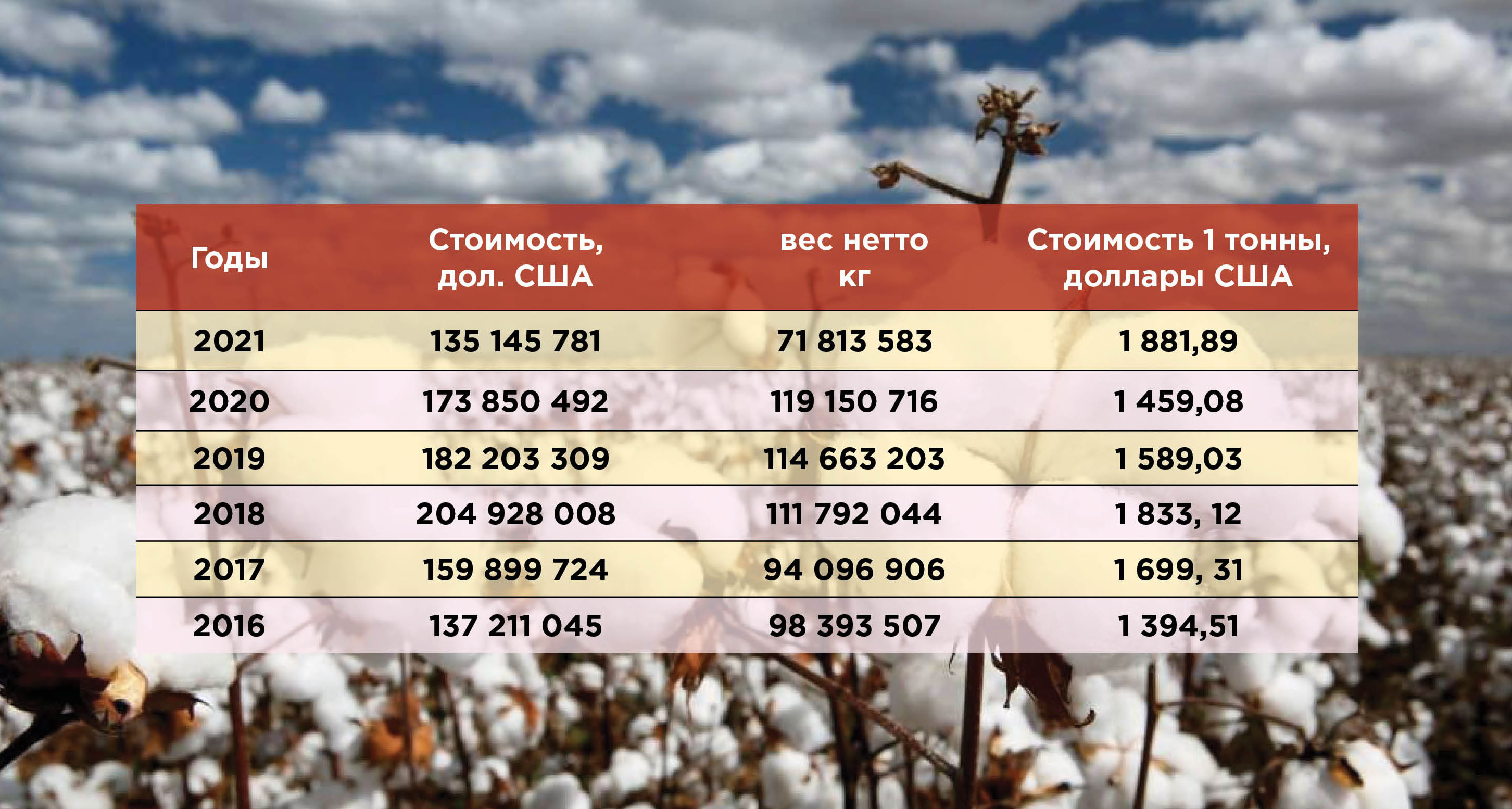
According to data from the Customs Service under the Government of Tajikistan, US$135 million worth of about 72,000 tons of cotton fiber has been exported to other countries over the first ten months of this year.
If to take into account that the fiber yield is approximately 40% of the volume of raw cotton, then we can assume that about 300,000 tons of cotton fiber is exported.
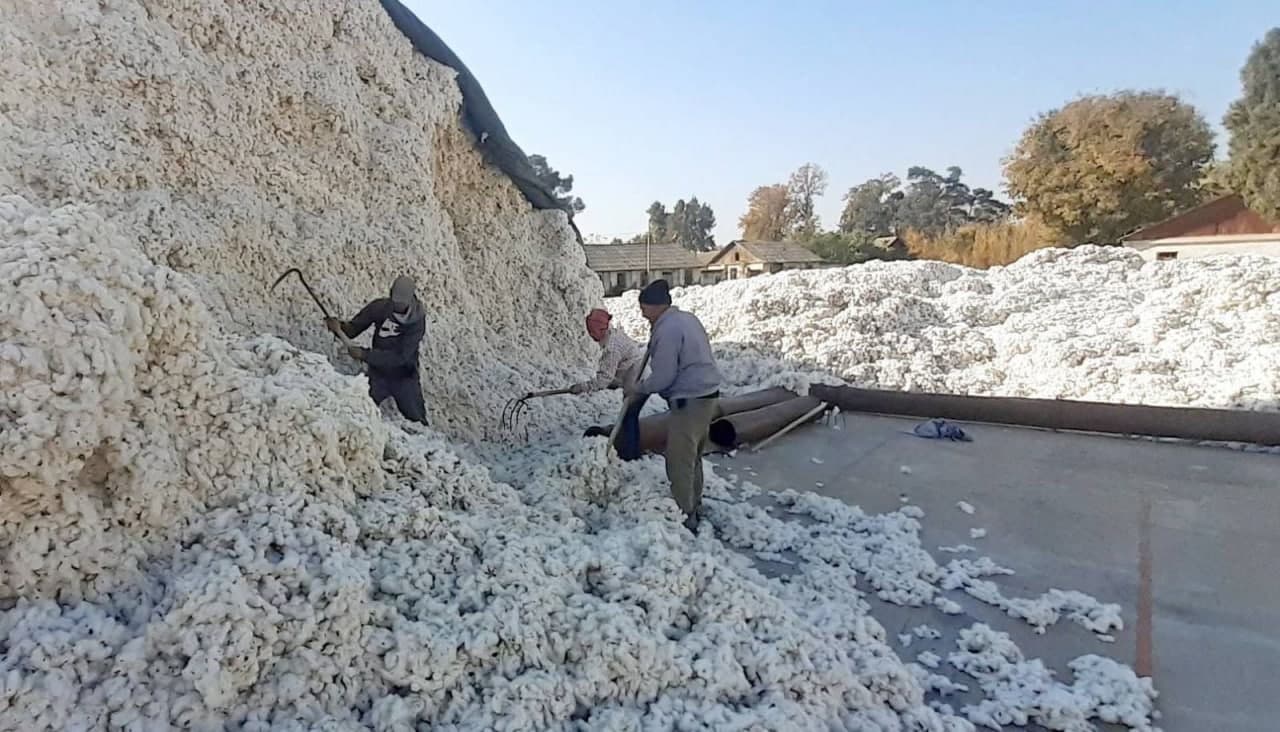
Meanwhile, many cotton-ginning factories and textile enterprises in Tajikistan have been standing idle for lack of finances or the state-of-the-art technologies.
About 100 cotton-ginning factories now operate in Tajikistan producing 100,000 tons of cotton fiber. Only 20,000 tons of cotton fiber produced in the country is processed into manufactured goods at local textile enterprises.
Tajikistan exports cotton fiber primarily to Turkey, China, Russia, Kazakhstan and some other countries.
It is not the first year that the authorities have been talking about the need to establish a cycle of full processing of cotton into manufactured goods in the country, appropriate programs have been adopted, but there are no results.
One of the ways out of the situation is to create a cotton-textile cluster system in the country that can combine cotton growers, cotton processors, seed farms, logistics, science and companies offering services in this are into a single system.
Currently, the country is faced with the task of increasing domestic processing of cotton into manufactured goods from 20 to at least 50-60 percent and increasing export of yearn textile fabrics and cotton (cooking) oil.
Cotton fiber has also been one of the main items of Tajikistan exports alongside the primary aluminum. In 1980s, Tajikistan had yielded up to 800,000 tons of raw cotton annually.
Cotton makes an important contribution to both the agricultural sector and the national economy of Tajikistan. At the national level, cotton is an important source of both export earnings and tax revenue.
According to some sources, Tajikistan was the world’s thirteenth largest exporter of cotton in 2019, and there is strong demand on international markets for its high quality product. In terms of cotton fiber production Tajikistan is in the top twenty. Tajikistan is in eighteenth place globally in term of production of cotton fiber.






