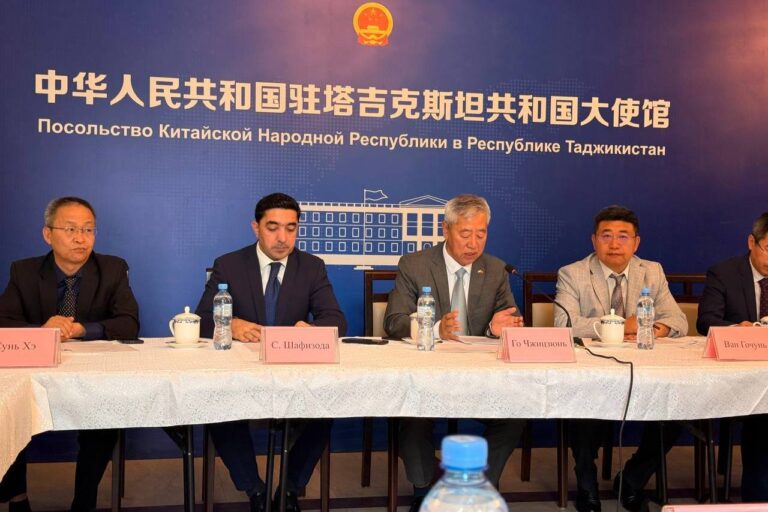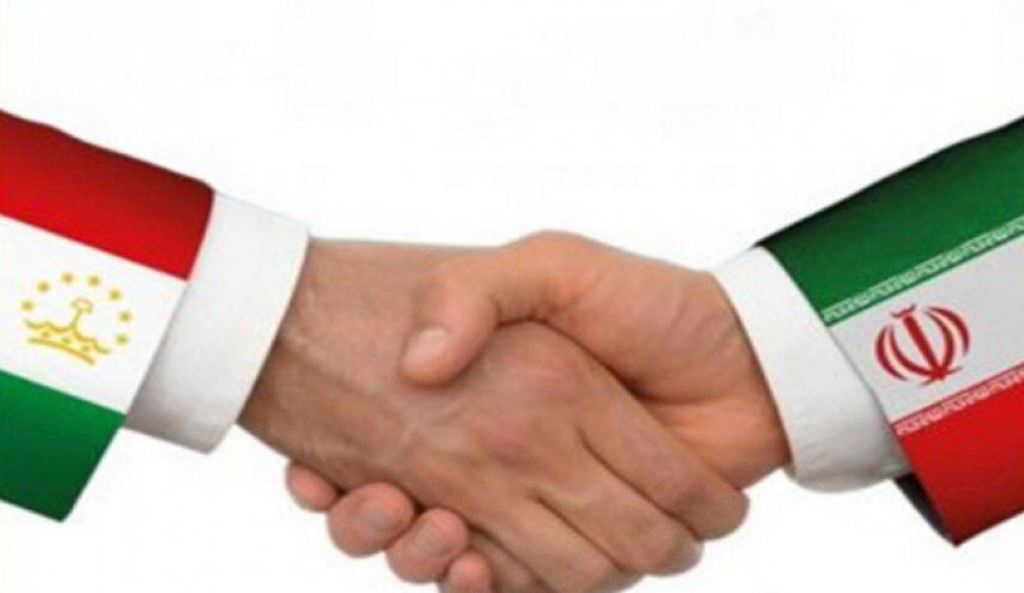
On Sunday January 2, Nizomiddin Zohidi, the Ambassador of Tajikistan to the Islamic republic of Iran, met in Tehran with Muhammad Hassan Shaykh al-Islami, the President of the Institute for Political and International Studies (IPIS) of Iran’s Ministry of Foreign Affairs, to discuss cooperation.
The Tajik MFA information department says the two discussed issues related to expanding cooperation between think tanks of the two countries and organizing joint events, dedicated to the 30th anniversary of the establishment of diplomatic relations between Tajikistan and Iran.
The parties reportedly also exchanged views on a number of regional and international issues being of mutual interest.
The Institute for Political and International Studies (IPIS) is a foreign policy think tank based in Tehran, Iran and affiliated to Iran's Ministry of Foreign Affairs. It was founded in 1983 as one of the first think tanks in Iran after the 1979 Iranian Revolution with the task of leading and encouraging the study and research on issues relevant to the foreign policy of the Islamic Republic of Iran.
The Institute has defined its missions within three convergent programs: think-tank and research activities; archive; and education. As related to think tank and research activities, the IPIS conducts projects on the issues relating to Iran’s foreign policy, carries out applied research on the foreign policy and international relations, and works in close cooperation with think-tanks and research centers, at home and abroad, through holding regular meetings, roundtables and conferences. One of the main objectives pursued by the IPIS is the promotion of literature in the field of IR studies, regional studies and foreign policy. Accordingly, the Institute for Political and International Studies tries to promote understanding about Iran’s foreign policy by establishing regular contacts with Iranian as well as foreign intellectuals and researchers.
The IPIS also seeks to assist the national memory of foreign policy in Iran, thanks to the unique archive it hosts and by doing research into this area of study. As the host of a collection of around 50 million first-hand documents about the history of Iran’s foreign relations, the IPIS is dedicated to preserving such national treasure, and provides an invaluable source for research on the history of Iran’s foreign relations.
The Institute for Political and International Studies makes the results of its researches and studies available to the public through its publications, books and journals, including the monthly Events and Analyses, and three periodicals of Foreign Policy, Central Asia and the Caucasus, and History of Foreign Relations.