Kyrgyzstan’s Cabinet of Ministers says a joint topographic commission of Tajikistan and Kyrgyzstan will hold its next meeting to discuss delimitation and demarcation of the mutual border in Kyrgyzstan from February 10 to February 15.
Tajikistan’s working group has already gathered in Isfara to carry out preparatory work for the next meeting. The group will prepare materials and documents for the forthcoming negotiations, a source within the Sughd regional administration told Asia-Plus in an interview.
Sughd governor Rajabboy Ahmadzoda told reporters in Khujand on February 4 that the intergovernmental commission for delimitation and demarcation of the Tajik-Kyrgyz border will start its work on February 7.
He added that suggestions had been made by both countries and they would be resolved through negotiations an
“A joint commission is working now and our goal is to ensure security and order along the border,” he said.
According to Sughd governor, he is in close contact with the head of Batken region of Kyrgyzstan.
Since May 1, 2021, the joint topographic commission has held eight meetings to clarify the border and demarcated 81 kilometers of the border line.
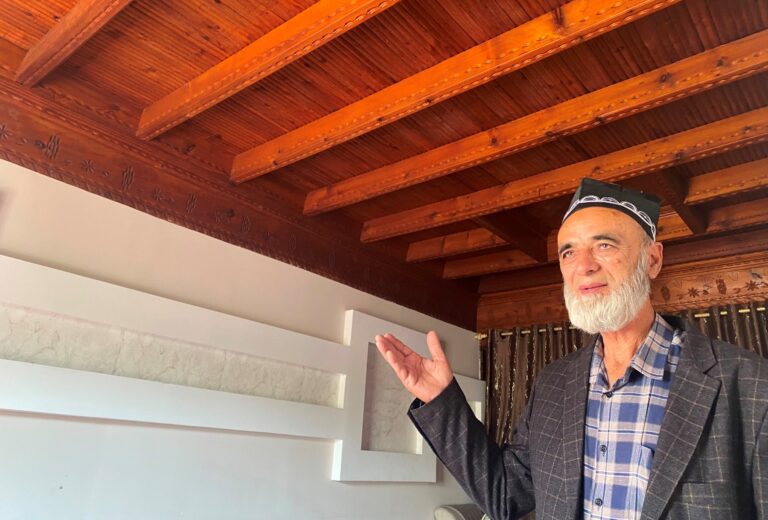
Elders from border villages of Tajikistan’s Sughd province and Kyrgyzstan’s Batken region met at the end of the last week to discuss issues of strengthening friendly relations between the residents of border areas.
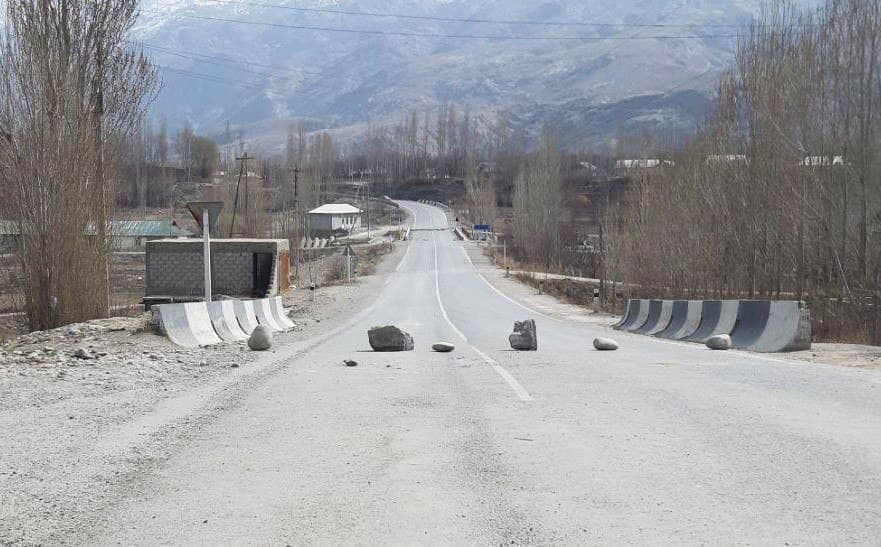
The meeting was held in the area, where the latest clashes between Tajik and Kyrgyz border guards took place on January 27 and left at least two people dead and many more wounded.
Older residents reportedly fondly talked of earlier times, back when the Soviet Union still existed, when ethnic Kyrgyz and Tajiks lived in relative harmony.
Tajikistan and Kyrgyzstan have not yet resolved the border delineation problem. Many border areas in Central Asia have been disputed since the collapse of the Soviet Union in 1991. The situation is particularly complicated near the numerous exclaves in the Fergana Valley, where the borders of Tajikistan, Uzbekistan, and Kyrgyzstan meet.
The border of Kyrgyzstan and Tajikistan has been the scene of unrest repeatedly since the collapse of the former Soviet Union.
It has been difficult to demarcate the Kyrgyz-Tajik border because over the course of some 100 years Soviet mapmakers drew and redrew the Kyrgyz-Tajik border, incorporating land that had traditionally belonged to one people in the territory of the other Soviet republic.
Exclaves appeared and temporary land use agreements were signed.
All of this survived the collapse of the Soviet Union and people in Kyrgyzstan and Tajikistan have various Soviet-era maps they use to justify their claim to specific areas along the border.
Border talks between Tajikistan and Kyrgyzstan began in 2002. Only slightly more than half of the 970 kilometers of border shared by the two countries has been demarcated despite decades of attempts to bring the matter to a close. The border delineation problem has led to conflicts between rival ethnic communities.