Upon release from penitentiary institutions, ex-prisoners have mixed feelings. On the one hand, they recover their freedom and mobility, on the other hand they face obstacles of re-establishing their personal life, searching for a job, and often need assistance and support in social re-integration.
The European Union (EU) Delegation to Tajikistan says the EU-funded project, Promoting Access to Social, Economic, and Cultural Rights to Prisoners and Ex-Prisoners in Tajikistan, aims at supporting prisoners and ex-prisoners in overcoming these hurdles and contributing to protection of their human rights and fundamental freedoms with specific focus on fulfilment of their social, economic and cultural rights.
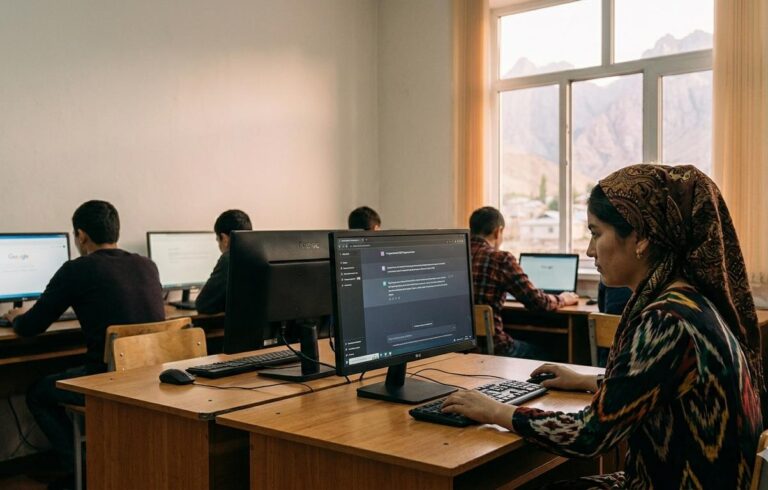
During the two years of implementation, the project reportedly organized educational activities that covered over 600 prisoners at the penal institutions in Nurek city and Yovon district and helped another 1100 ex-prisoners who faced difficulties in recovering their social and economic life after prison release. The project was active in 10 cities and district centers of Tajikistan, including Dushanbe, Khorog, Khujand, Bokhtar, Vahdat, Bobojon-Ghafourov, Vose, Panjakent, Devashtich, and Jaihun. A total of 300 prisoners (including 150 females) received social reintegration consultations before their release.
Civil society organizations (CSOs) were actively involved in developing the Ex-prisoners’ Social Reintegration Program in close partnership with the Main Department on Criminal Penalty Execution of the Ministry of Justice of Tajikistan.
The project also contributed in capacity building of CSO partners involved in implementation of the project.
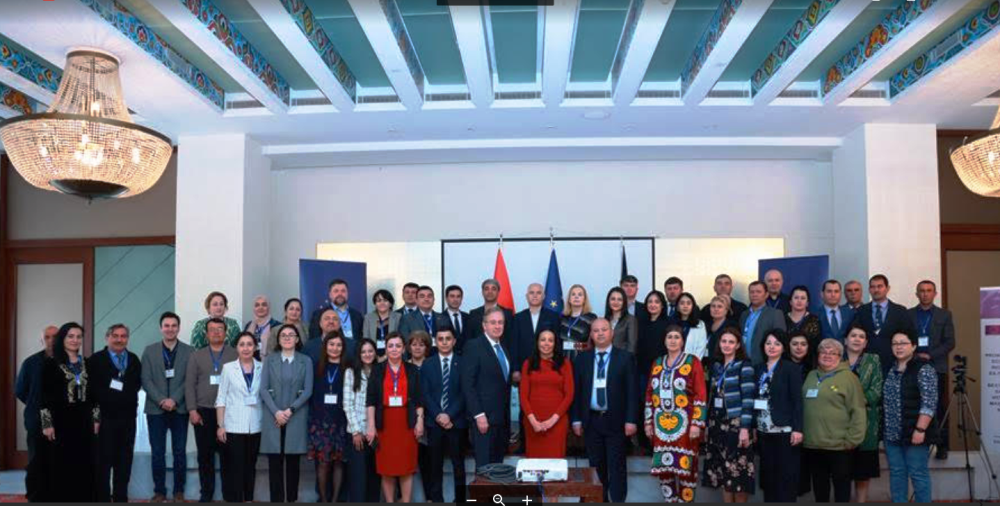
The final event of the project will look at achievements, lessons learned and recommendations for further policy dialogue on human rights promotion of this vulnerable group. Representatives of government and non-government actors, international organizations involved in penitentiary sector reform and the media will discuss the work completed with the prisoners and ex-prisoners. Joint cooperation of government and non-government actors within the project also helped to increase awareness on prisoners and ex-prisoners’ human rights through public awareness activities, civic education programs and consultations, promoting positive atmosphere among prisoners, positive attitude and behavior by the prison staff.
The project, Promoting Access to Social, Economic, and Cultural Rights to Prisoners and Ex-Prisoners in Tajikistan, is funded by the European Union (75%) and the German Federal Ministry for Economic Cooperation and Development (25%). It was implemented by DVV International together with Bureau on Human Rights and Rule of Law and NGO Jahon. The project contributed to the development and consolidation of the democracy and the rule of law and fundamental freedoms in Tajikistan by expanding access to and availability of education services for the prisoners and ex-prisoners of both genders.