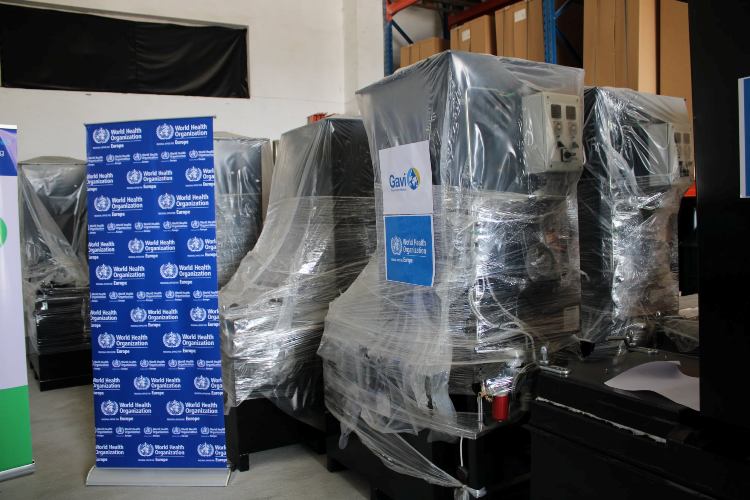
The World Health Organization (WHO) has donated medical waste equipment to Tajikistan.
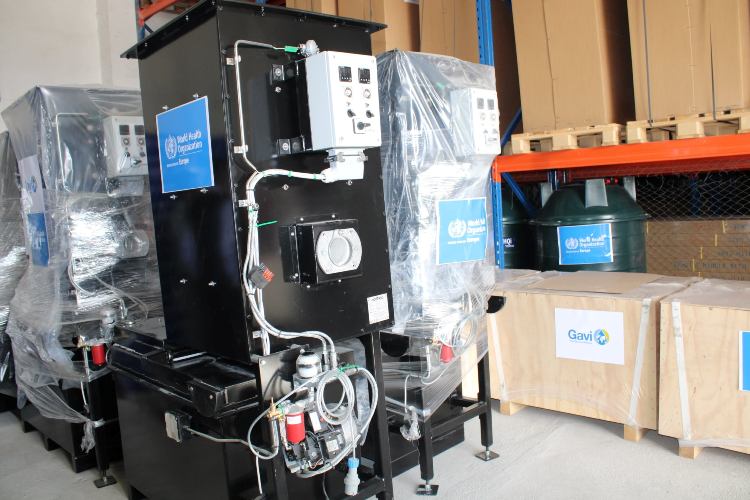
The Ministry of Health and Social Protection of the Population (MoHSPP) press center says Tajikistan has received fourteen medical waste incinerators from WHO.
Medical waste incineration involves the burning of wastes produced by hospitals, veterinary facilities, and medical research facilities. These wastes include both infectious ("red bag") medical wastes as well as non-infectious, general housekeeping wastes.
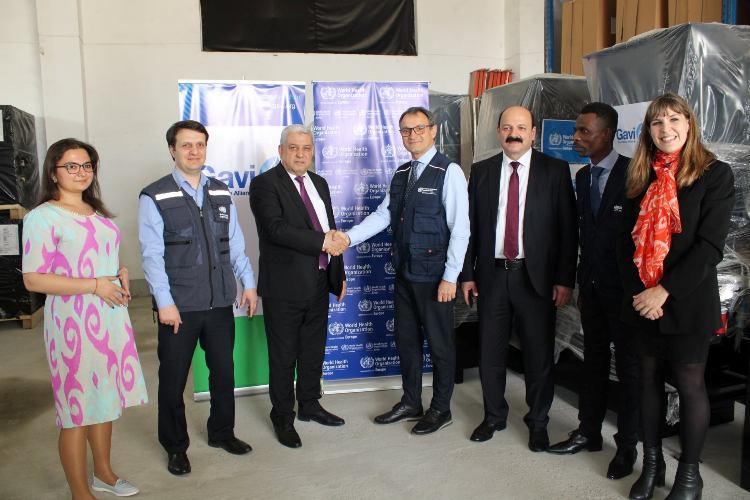
The incinerators will be installed in cities and districts in accordance with an order of the health minister, according to the MoHSPP press center.
The medical waste incinerators have reportedly been purchased for Tajikistan in the framework of the GAVI project.
GAVI, officially Gavi, the Vaccine Alliance (previously the GAVI Alliance, and before that the Global Alliance for Vaccines and Immunization)[2s a public–private global health partnership with the goal of increasing access to immunization in poor countries. It provides a unique opportunity for a wide-range of partners to build consensus around policies, strategies, and priorities and to recommend responsibility of implementation to the partner with the most experience and insight in the area. GAVI has developed innovative approaches to international health and development.
GAVI contributes to achieving the United Nations’ Millennium Development Goals by focusing on performance, outcomes and results. Its partners provide funding for vaccines and intellectual resources for care advancement. They contribute, also, to strengthening the capacity of the health system to deliver immunization and other health services in a sustainable manner.