Kazakhstan government has decided to impose wheat and wheat flour export quotas for two months from April 15 to June 1. The decision was made a meeting of the Operational Headquarters of the Government of Kazakhstan that took place on April 1. Meanwhile, Tajikistan authorities state that the country has stocked up on sufficient amount of food products, including grain and wheat and wheat flour.
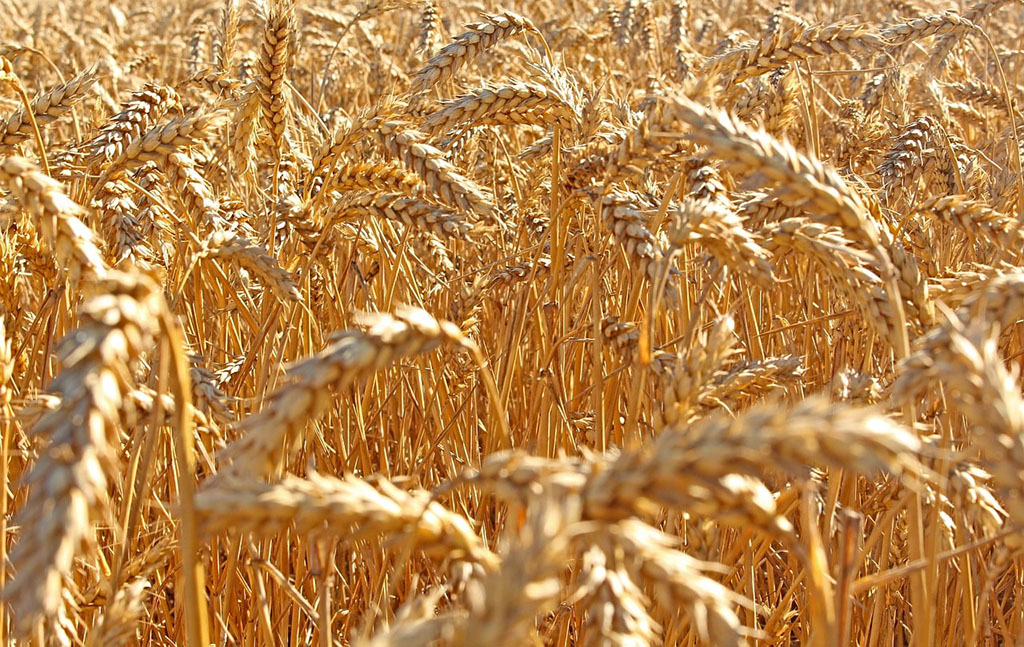
ElDala.kz reports the Government of Kazakhstan has decided to limit the grain exports to 1 million tons for two months (until June 1).
The government of Kazakhstan last month considered three options of possible restrictions to prevent the risks of mass grain exports from the country amid forecasts of a decline in global production, ElDala.kz reports.
The Minister of Agriculture, Yerbol Karashukeyev, proposed three possible options for restrictions: quotas; export customs duties; and complete ban.
Preliminary support was given to the proposal to introduce a quota for a period of 6 months. An option of automated grain quotas through phyto-certificates was also considered, under the condition of selling a certain share of export volume in the domestic market at a reduced price.
The final decision was made on March 31, after a detailed discussion of the mechanisms and agreement with the National Chamber of Entrepreneurs (NCE) Atameken.
Exporters have been obligated to sell 10 percent of grain export volume in the domestic market at a reduced price.
Thus, an average monthly volume of grain exports is 500,000 tons, while in February, the average monthly volume of grain exports was 600,000 tons with an upward trend.
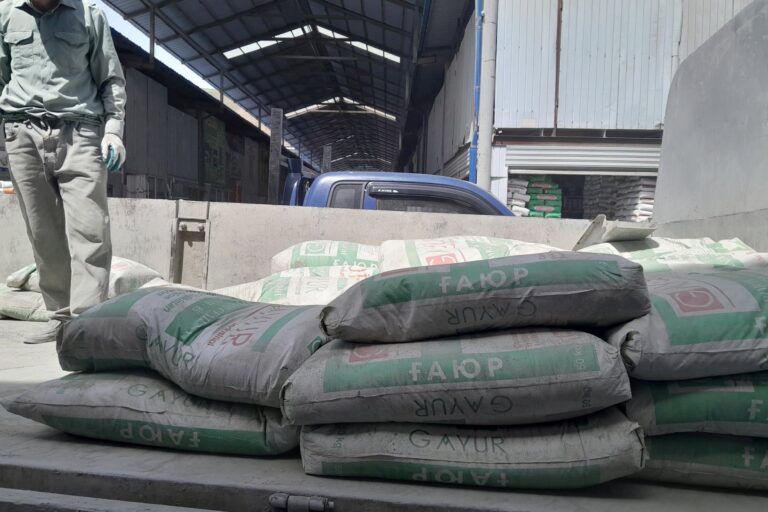
The same decision has been made on wheat flour exports. The wheat flour exports have been limited to 300,000 tons and exporters have been obligated to sell 10 percent of flour export volume in the domestic market at a reduced price.
Thus, an average monthly volume of four exports is 150,000 tons, while in February, it was 120,000 tons.
As far as Tajikistan is concerned, Kazakhstan provides the bulk of its wheat imports, accounting for more than 90 percent of Tajikistan’s wheat imports.
In 2021, Tajikistan bought about 1 million tons of wheat in Kazakhstan.
The government of Tajikistan has developed the plan of measures to prevent the possible risk of the impact of the crisis on the national economy.
The plan of anti-crisis measures is aimed at providing consumer markets with essential products, including wheat flour.
According to data from the Ministry of Economic Development and Trade of Tajikistan, the country has stocked up on sufficient amount of food products.
In 2021 alone, Tajikistan produced a total of almost 80 billion somonis worth of industrial and agricultural goods, including 828,000 tons of wheat flour, 876,000 tons of wheat, and 415,000 tons of bread and bakery products.
Therefore, domestic resources and capacities can meet the needs of the consumer market in bread and pasta at the proper level.
Along with this, wheat imports for the production of final products under existing contracts with trading partners reportedly continues without interruption.
According to data from the Ministry of Agriculture of Tajikistan, 611,797 hectares of lands this year have been allotted to agricultural crops, with more than 200,000 hectares of them being allotted to grain crop production.
Tajikistan’s current annual requirements in wheat flour are about 1.5 million tons.