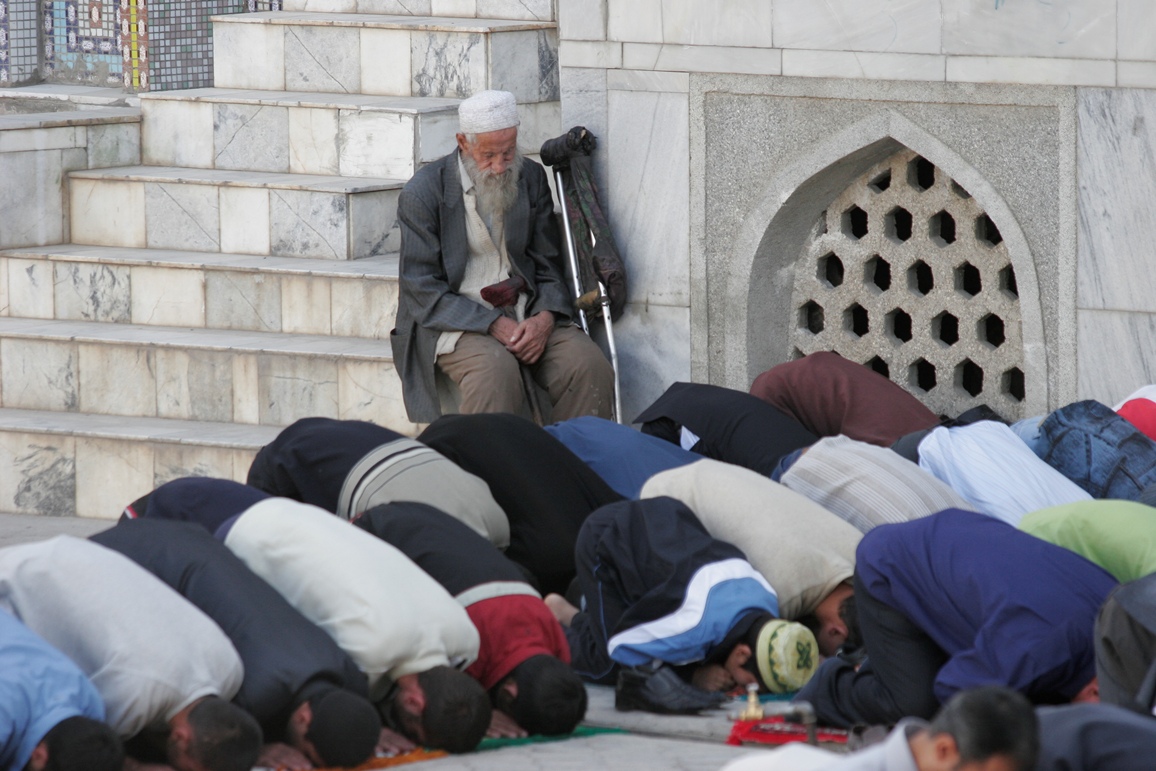
The United States Commission on International Religious Freedom (USCIRF) released its 2022 annual report on April 25. The report assesses religious freedom violations and progress during calendar year 2021 and makes independent recommendations for U.S. policy for both the President’s Administration and Congress.
The report notes that the Tajik government’s record on religious freedom last year remained bleak. State repression of the country’s Muslim majority reportedly gained momentum amidst government fears about threats emanating from neighboring Afghanistan, especially after the Taliban’s August takeover. In Tajikistan, alleged extremism and terrorism are punishable without requiring acts that involve violence or incitement of imminent violence, the report says, noting that charges are often arbitrarily issued against religious individuals and their trials lack due process and procedural safeguards.
During 2021, the government reportedly conducted several mass arrests and imprisoned individuals for alleged involvement in illegal Muslim groups.
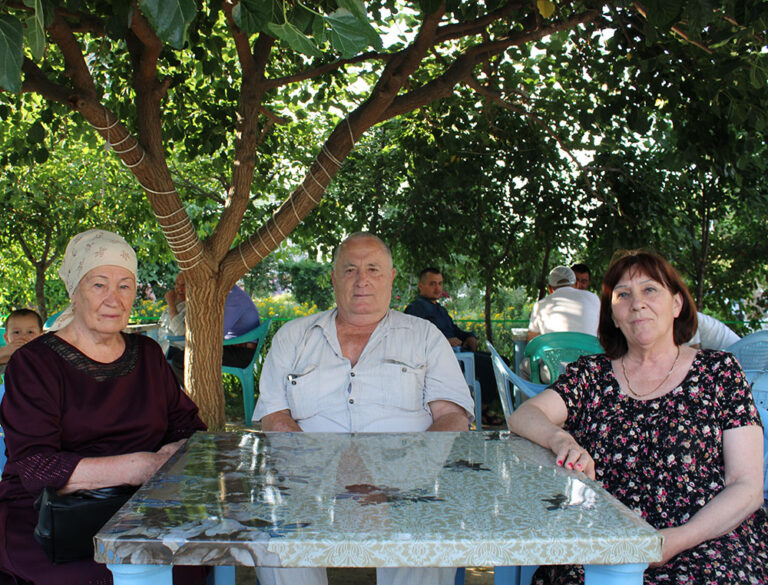
According to the report, Muslim women reported an intensification of the government’s anti-hijab campaign, with frequent checkpoints at hospitals, schools, and public facilities in Dushanbe denying entrance to covered women. Bearded young men continue to report being denied passports unless they shave, although there is no legal requirement for them to do so. In October, the lower house of Parliament introduced legislation increasing the punishment for “underground” religious education, including over the internet. In 2016, Tajikistan banned private religious education and children are only allowed religious instruction by their parents at home.
Since 2011, minors are barred from all public religious activity except funerals and receive only limited instruction in the history of religion at public schools. The new legislation introduces higher fines for illegal instruction and now includes the possibility of prison sentences of up to three years. The state claims there have been at least 1,833 incidents of illegal religious instruction since 2019, involving 43 imams, 983 unofficial clerics, and 32 teachers.
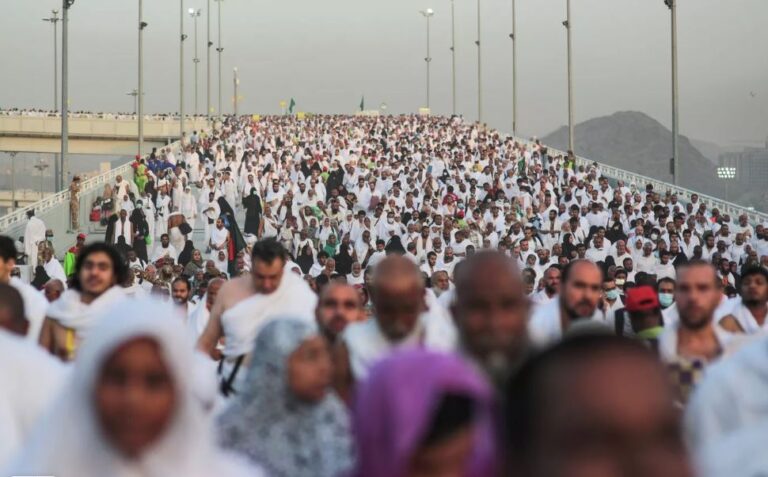
The report notes that the population of Tajikistan is around 86 percent Sunni, and there is a strong link between ethnic Tajik identity and the Hanafi School of Islamic jurisprudence. The government of Tajikistan is reportedly militantly secular, and the legacy of Soviet atheism is still strong, particularly in the cities. People may identify culturally as Muslim, but many urban Tajiks are not comfortable with the sight of bearded young men or of women in hijabs, according to the report. The government reportedly leverages this anxiety to dominate Islamic practice and control the religious sphere.
In this year’s report, USCIRF recommends the State Department should designate Tajikistan along with 14 other countries, including Russian and Turkmenistan, as countries of particular concern (CPCs).
The International Religious Freedom Act defines CPCs as countries where the government engages in or tolerates “particularly severe” violations of religious freedom, such as torture or prolonged detention without trial.
USCIRF is an independent, bipartisan U.S. government advisory body, separate from the U.S. Department of State, that monitors religious freedom abroad and makes policy recommendations to the president, secretary of state, and Congress.