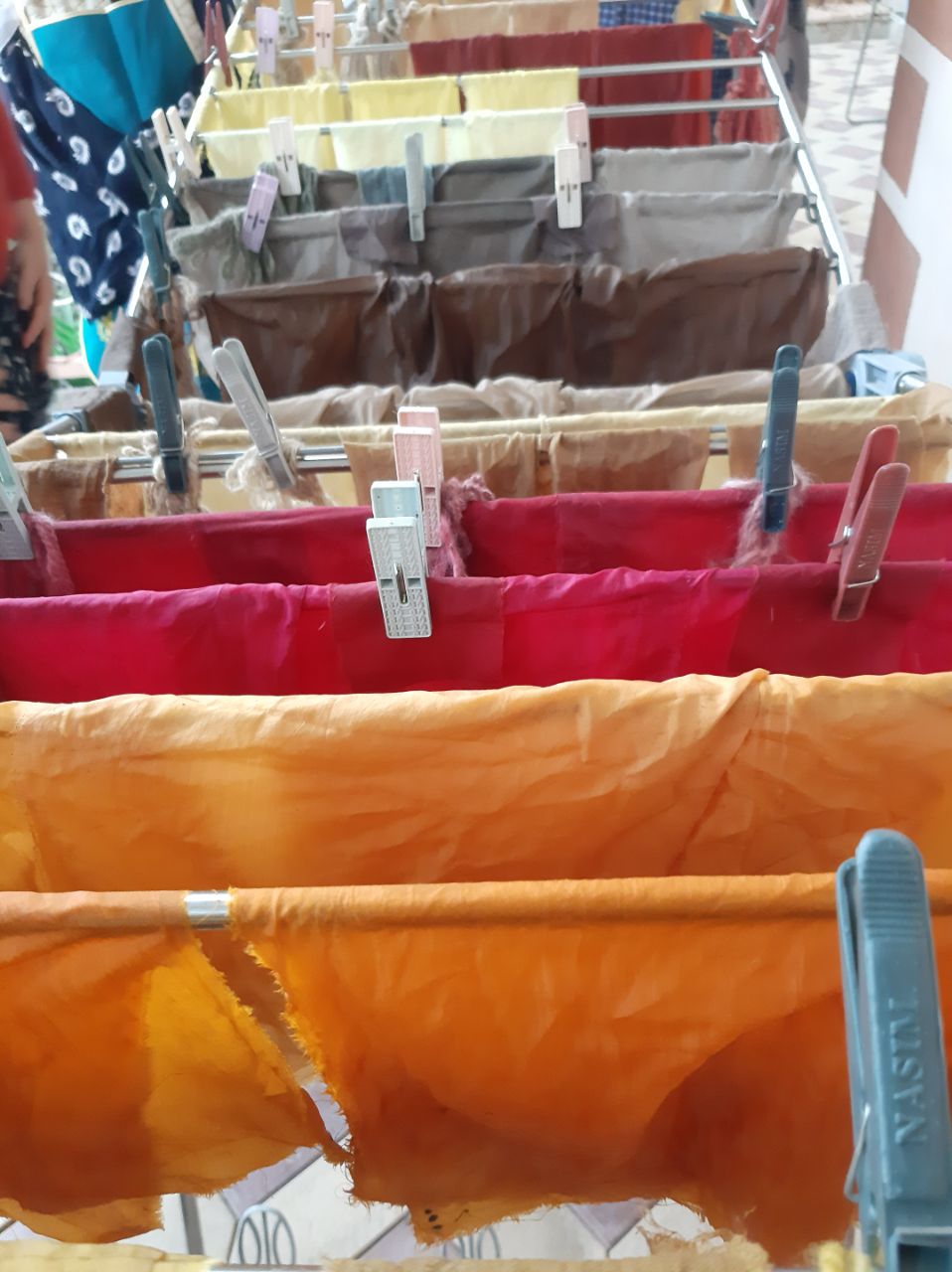
The EU SWITCH Asia program supported project RUTSIS has conducted training on natural dyeing with international experts from the Burg Giebichenstein University of Art and Design, Halle, Germany, according to the European Union Delegation to Tajikistan.
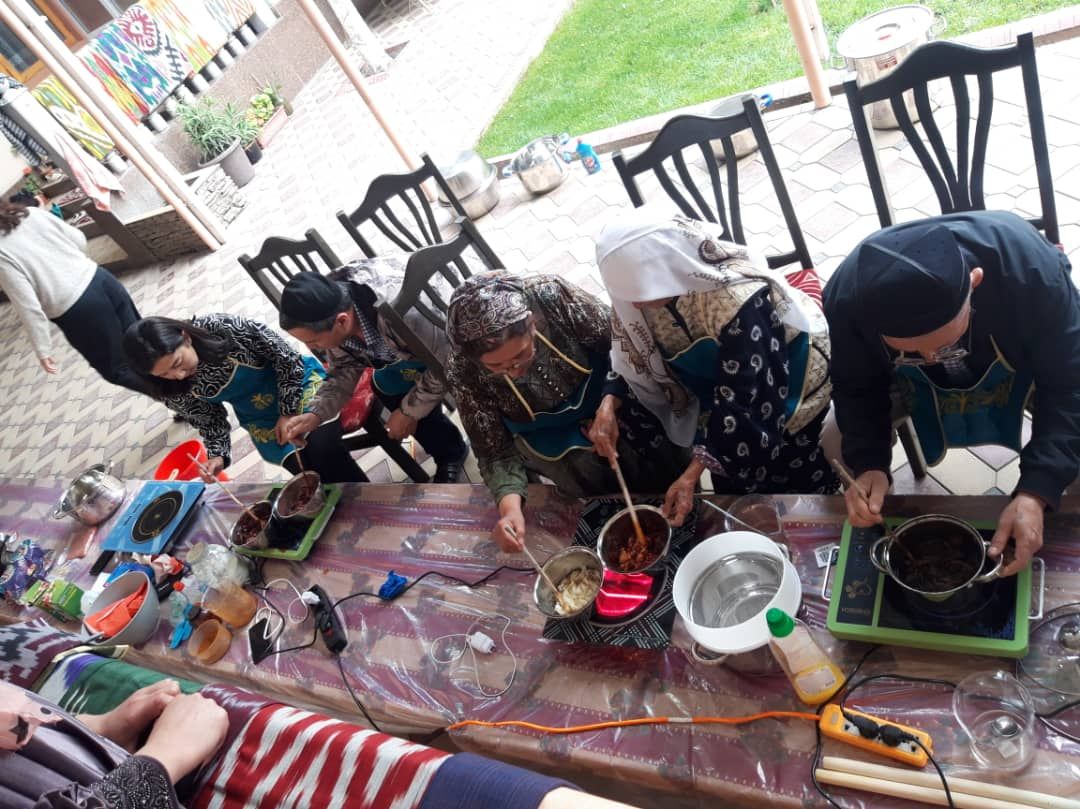
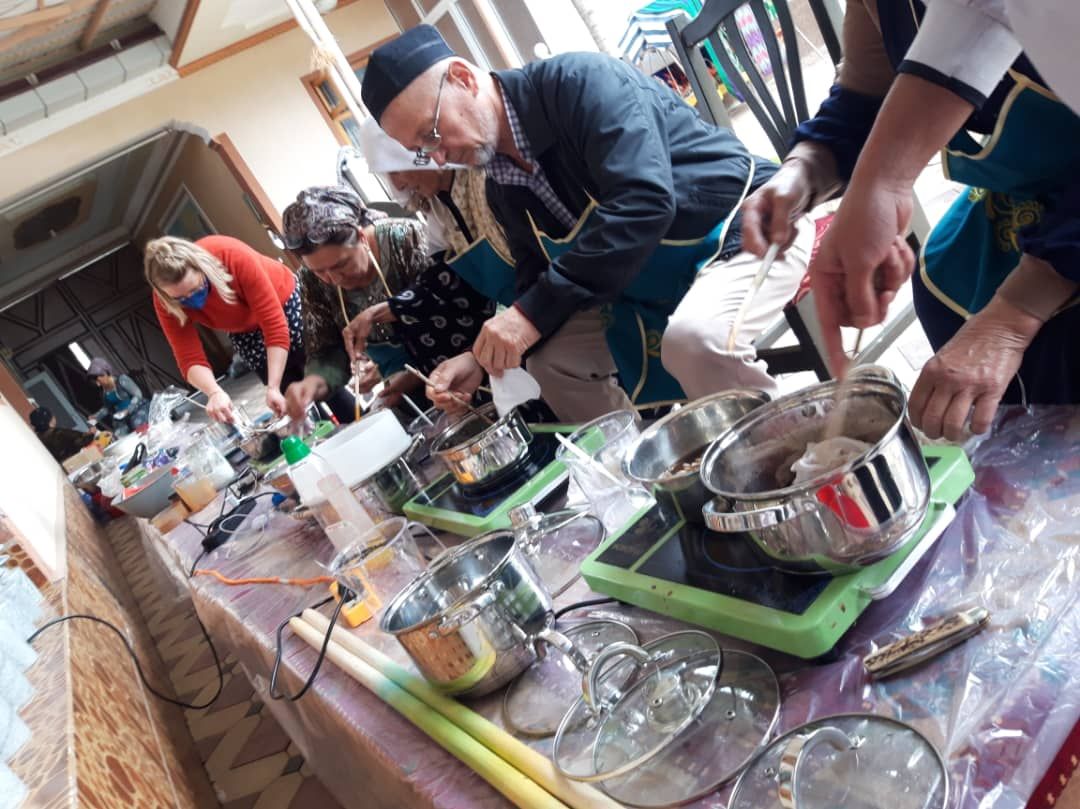
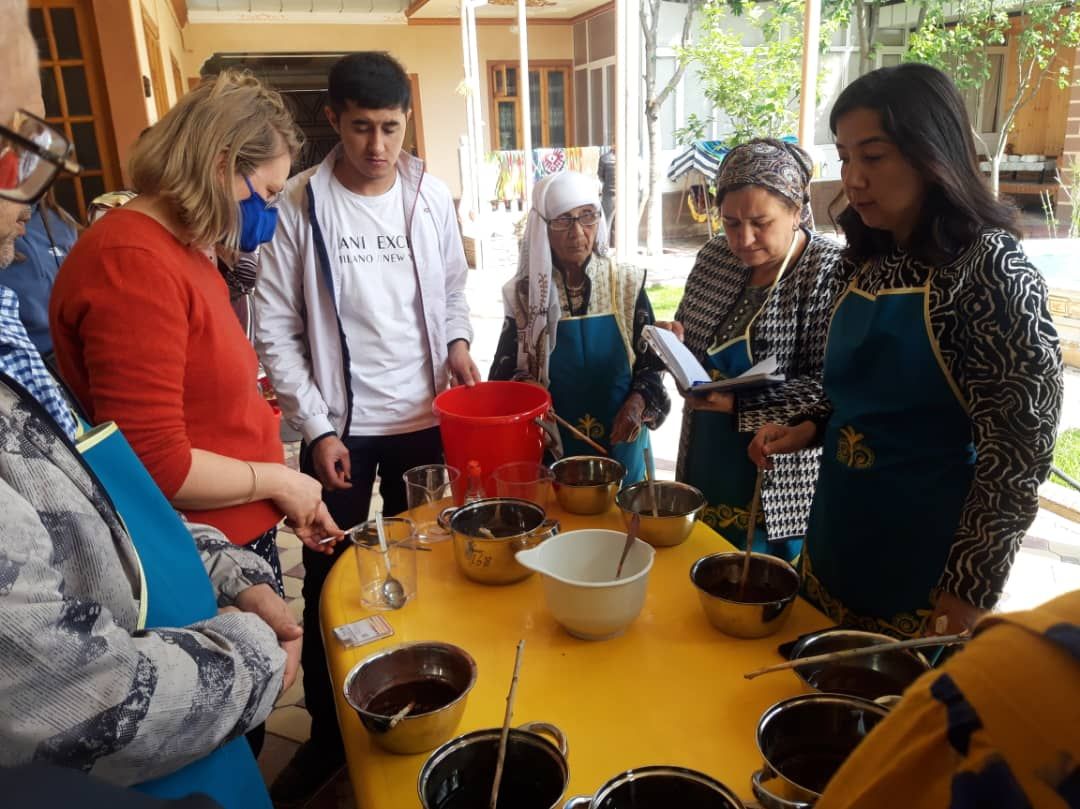
A four-day theoretical and practical training was conducted by EU-funded RUTSIS project for 10 master trainers in the Tajik northern city of Istaravshan from May 12-15 to teach sustainable sourcing, dyeing, fixation and quality control of silk.
The training participants reportedly included SMEs, local producers and specialists for silk threads making, ikat weaving and natural dyeing from Khujand, Istaravshan, Dushanbe and Kulob.
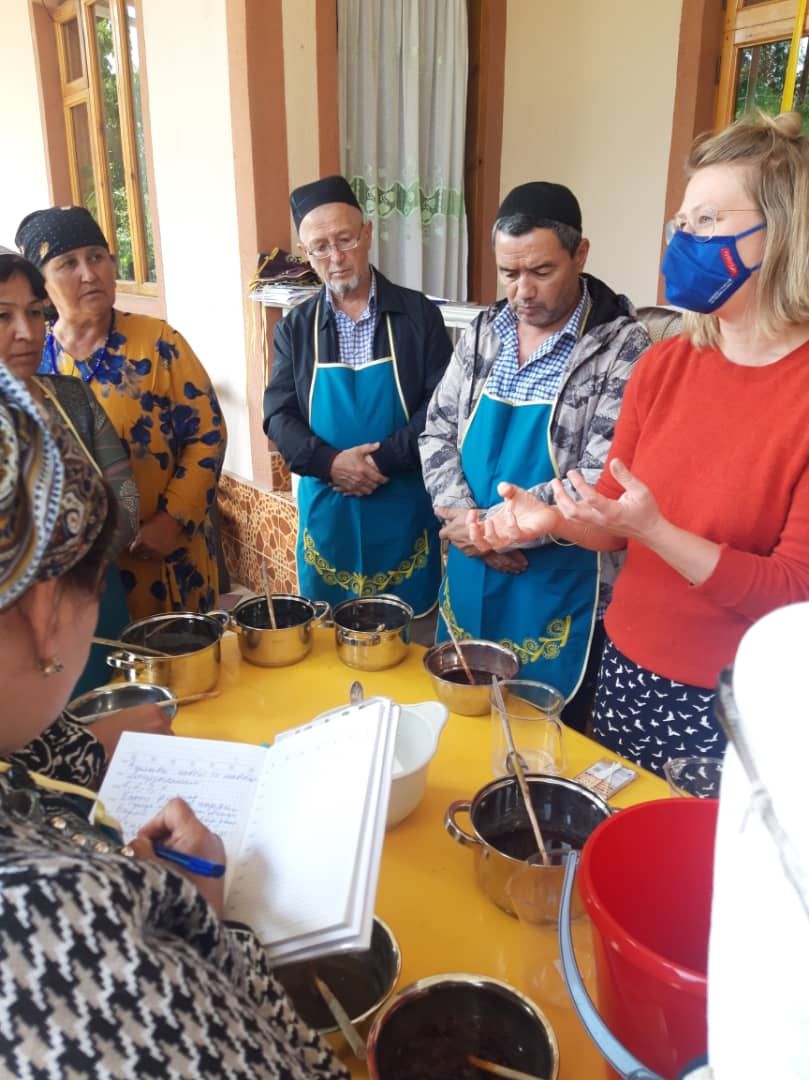
The training was conducted by International Experts from the Burg Giebichenstein University Halle, Germany.
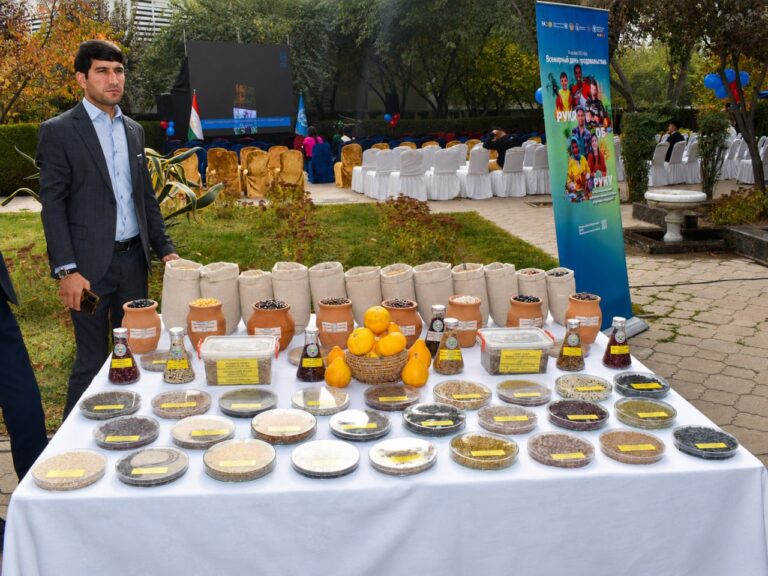
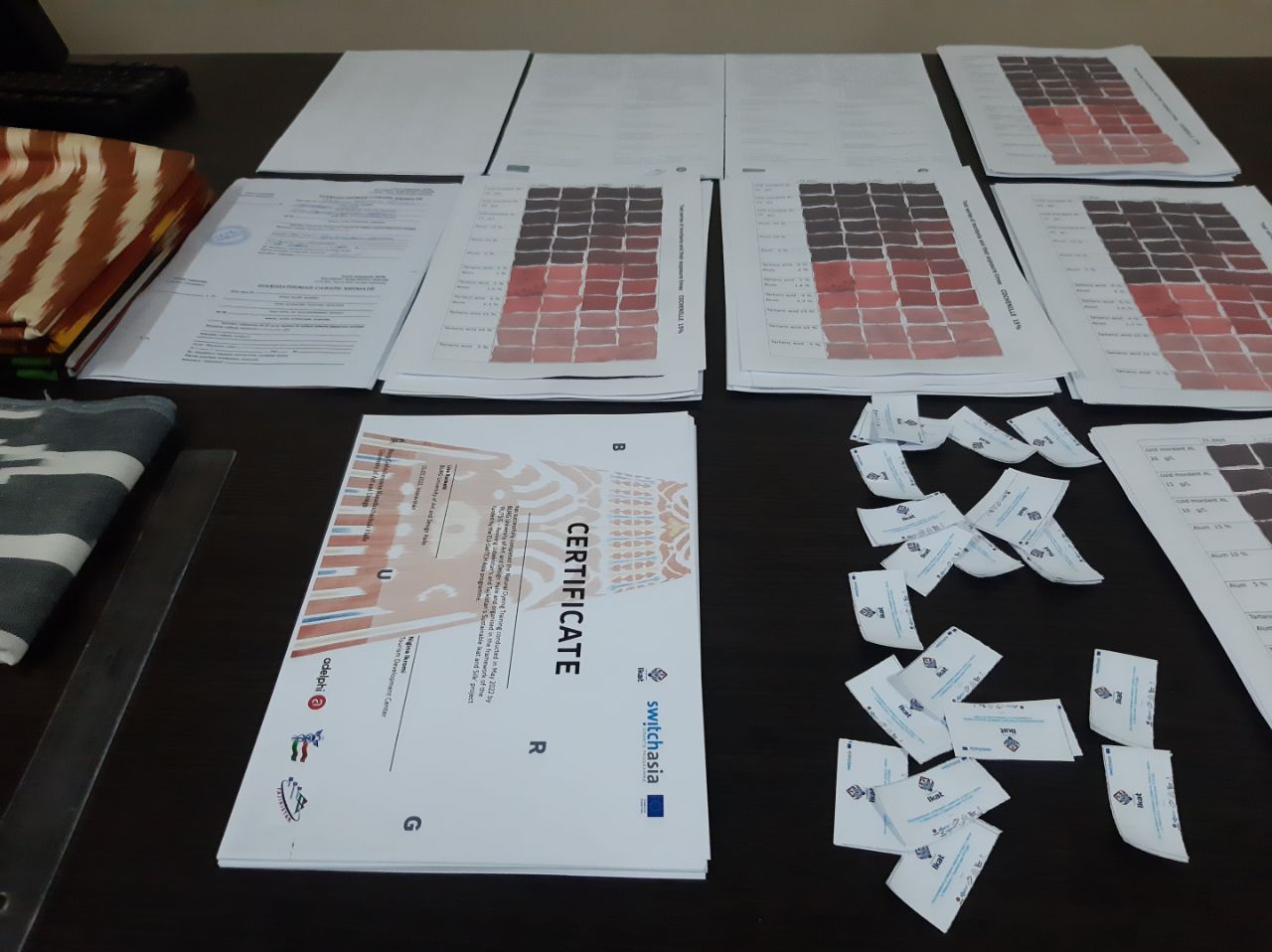
During the RUTSIS project the specialists from the Burg Giebichenstein University have reportedly conducted an extended research on natural dyes in Central Asia and created recipe books specifically adjusted to the existing natural resources in Tajikistan, that qualify as natural dyes. In addition, guidelines for quality control of natural dyes for silk will be developed.
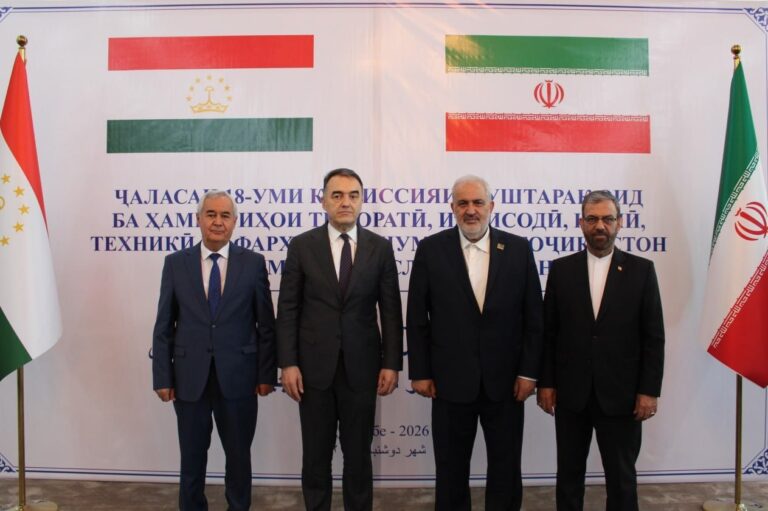
Collaborative support will be sought from suitable local and international testing centers to ascertain the composition of the dyes. In this connection, the action also involves regional experts from other Central Asian countries like Uzbekistan, who are successfully working with sustainable sourcing of natural dyes with an established integrated strong quality control system for the production and marketing of their iconic national tradition silk ikats.
The project "Reviving Uzbekistan's and Tajikistan's Sustainable Ikat and Silk" (RUTSIS) is being implemented within the SWITCH-Asia program funded by the European Union wıth the 2 million euro budget.
The objectives of the project include the promotion of sustainable growth along the Great Silk Road in Central Asia, the contribution to the revival and upgrade of local silk and Ikat value chains, the integration of sustainable production approaches in an ethically and environmentally friendly way, strengthening cross-cultural dialogue between Uzbek and Tajik societies, creating new education and employment opportunities, safeguarding ancient silk and ikat production techniques, and developing innovative sustainable design and enhancing recognition of Central Asian sustainable silk and ikat products in the international market.