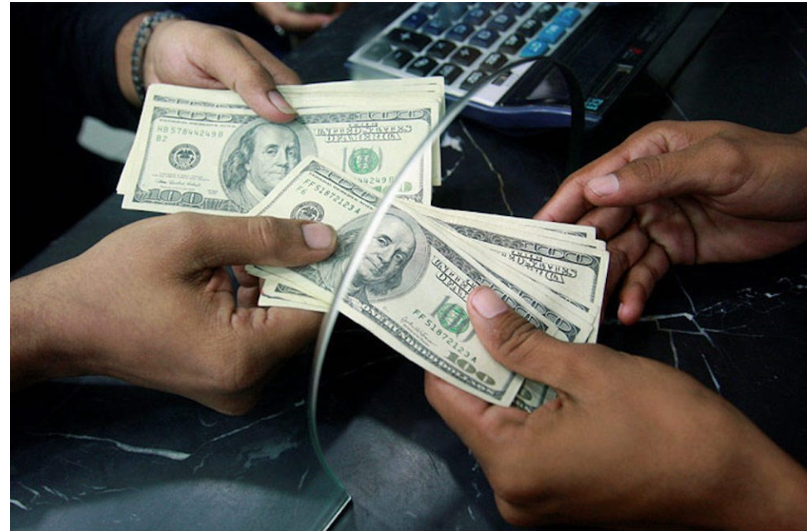
After growing just 1.5 percent in 2020, remittance flows to Europe and Central Asia rose about 8 percent to a historic high of $74 billion in 2021, growing at a faster pace than initially envisioned in the November 2021 Brief, the World Bank (WB)’s report says. The increase reportedly was mainly due to stronger economic activity in European countries and rebounding energy prices. Many countries in the region posted double-digit growth in remittances received, led by Romania, Ukraine, and Uzbekistan, while Armenia, Bulgaria, Russia, and Turkey suffered declines.
Migration and Development Brief, released by the World Bank on May 11, notes that the top five recipient countries for remittances in 2021 were India, Mexico (replacing China), China, the Philippines, and Egypt. Among economies where remittance inflows stand at very high shares of GDP are Lebanon (54 percent), Tonga (44 percent), Tajikistan (34 percent), Kyrgyzstan (33 percent), and Samoa (32 percent).
According to the report, remittance flows to the Europe and Central Asia region are projected to fall by 1.6 percent in 2022 as the economies of major remittance-sending countries are expected to weaken amid increased uncertainty and tighter financial conditions due to the war on Ukraine and higher inflation. The projections are subject to extreme downside risks, including a sharper-than-expected slowdown in economic growth of source countries, notably the Euro Area.
Remittances constitute a vital source of funding and a driver for economic growth in the economies of the Central Asian countries. For example, in Tajikistan and Kyrgyzstan, remittances in 2021 reportedly were respectively 34 percent and 33 percent of GDP and were comparable to—or even larger than—the countries’ exports of goods and services. Russia was the largest source of remittances to them.
However, transfer volumes in the Central Asian countries have been on a downward trend since 2014 peaks. Despite this, outward remittances from Russia remain large and account for roughly two-thirds of total remittance receipts for Central Asian countries, Kyrgyzstan, Tajikistan, and Uzbekistan in 2021.
The report says remittance flows to many Central Asian countries are likely to be extremely adversely affected by the so-called “special military operation” launched by Russia in Ukraine on February 24.
Remittances look set to decline by an average of 25 percentage points in 2022 based on an initial assessment of the first-round effects of a decline in economic activity in Russia and currency depreciations in most source countries (mainly the Russian ruble) against the US dollar, and possibly, the impact of Russian capital controls. For example, in Kyrgyzstan, where 82 percent of remittances originated in Russia in 2021, flows in 2022 are likely to decline by 32 percent vis-à-vis an originally projected growth rate of 3 percent. Azerbaijan, Armenia, Tajikistan, and Uzbekistan are also likely to experience major declines in remittance flows in 2022.