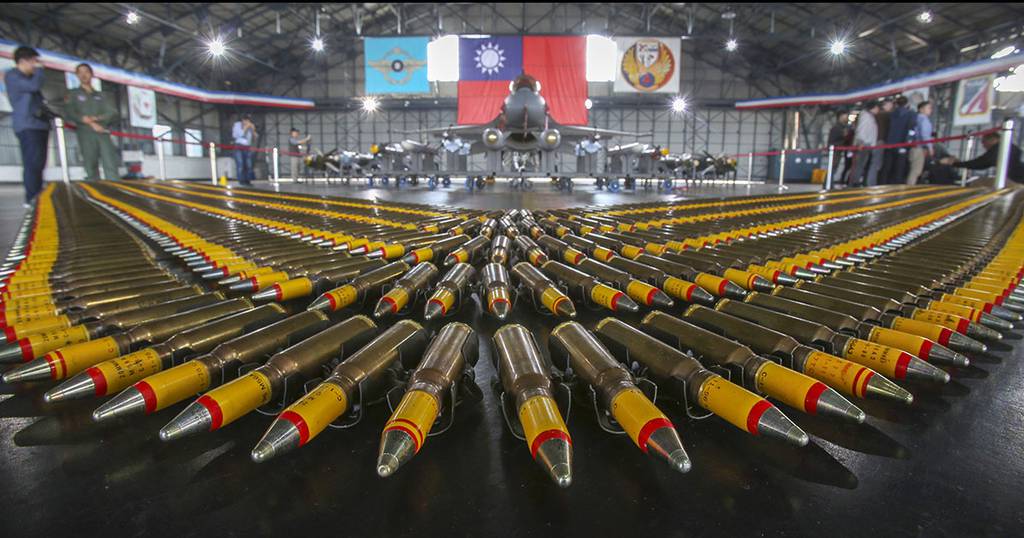
An article by Bryant Harris, published in DefenseNews on June 8, in particular, notes that antimony is now on the front lines of recent congressional efforts to shore up the strategic reserve of rare earth minerals, known as the national defense stockpile. Antimony is reportedly a critical mineral that is vital to producing ammunition.
The article notes that the mineral antimony is critical to the defense-industrial supply chain and is needed to produce everything from armor-piercing bullets and explosives to nuclear weapons as well as sundry other military equipment, such as night vision goggles.
Antimony is reportedly now on the front lines of recent congressional efforts to shore up the strategic reserve of rare earth minerals, known as the national defense stockpile. The stockpile includes a multitude of other minerals critical to the defense-industrial supply chain such as titanium, tungsten, cobalt and lithium, but lawmakers expect will become insolvent by fiscal 2025 absent corrective action.
The article notes that the House Armed Services Committee “took its first stab at addressing China’s grip on the antimony supply chain in draft legislation” it released on June 8.
A report accompanying the bill notes that the committee is concerned over recent geopolitical dynamics with Russia and China and how that could accelerate supply chain disruptions, particularly with antimony.
China is the largest producer of mined and refined antimony and a major source of imports for the United States, the report says, noting that China is “losing market share with Russia, the world’s second-ranked producer,” with Tajikistan gaining ground in the global market as the world’s third-largest supplier of antimony.
The Defense Department submitted its own legislative proposal to Congress last month, asking lawmakers to authorize US$253.5 million in the defense authorization bill to procure additional minerals for the stockpile.
It is to be noted that according to some sources, Tajikistan’s antimony deposits are stated to be the largest in the Commonwealth of Independent States (CIS) region.
In Tajikistan, the biggest antimony reserves are reportedly concentrated at Jizhikrut and Konchok deposits in Ayni district, Sughd province.
According to data from Tajikistan’s Ministry of Industry and New Technologies (MoINT), “Anzob” Limited Liability Company (LLC) is now engaged in extracting antimony in Ayni district.
This company was established as the Tajikistan-U.S. joint venture in 2005. Tajikistan owned 51 percent of the shares and the U.S. company Comsup Commodities Inc. assumes the 49% ownership interest in this enterprise. In September 2006, Comsup Commodities Inc. repurchased Tajikistan’s share in the company, becoming the only owner of “Anzob” LLC.
The company later built a plant on processing ores and producing a mercury-antimony concentrate there.