Over the first six months of this year, production of industrial goods in the country has amounted to 19.1 billion somonis, which was 17.3 percent or 2.8 billion somonis more than in the same period last year, the Minister of Industry and New Technologies of Tajikistan, Sherali Kabir, told reporters in Dushanbe on July 18.
Compared to January-June last year, the index of the volume of production of industrial goods (excluding energy, water and printing products) over the first six months of this year has amounted to 126.3 percent, the minister noted.
Over the same six-month period, mining industry has reportedly accounted for 57.2 percent of the overall volume of industrial production, processing industry has accounted for 24 percent and energy sector has accounted form 18.4 percent.
Industrial enterprises based in Sughd province accounted for 58.3 percent of the overall volume of industrial goods produced in the country in January-June this year.
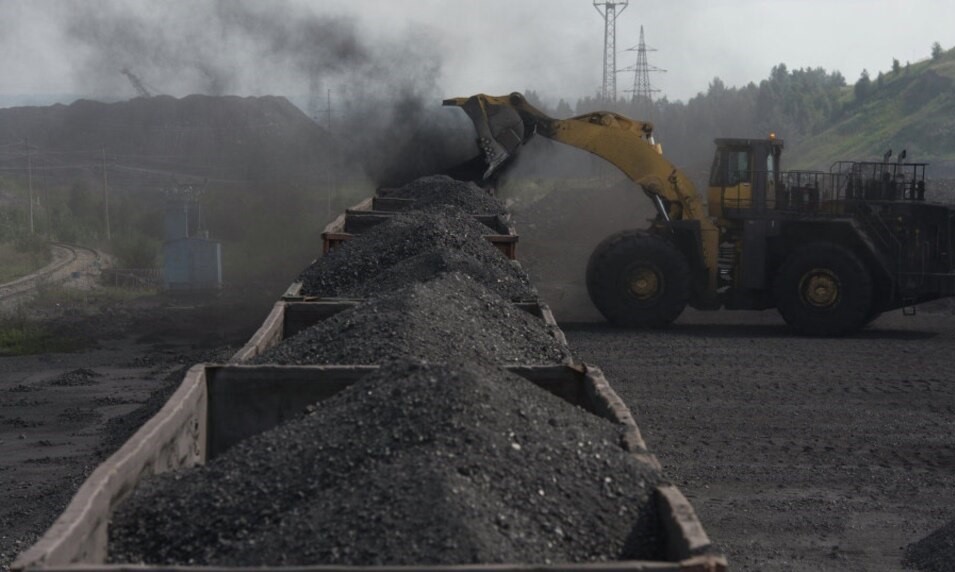
Sherali Kabir further noted that Tajikistan has increased coal exports over the reporting period. In January-June this year, Tajikistan has reportedly exported about 279,000 tons of coal, while in the same period last year, Tajikistan exported only about 19,000 tons of coal.
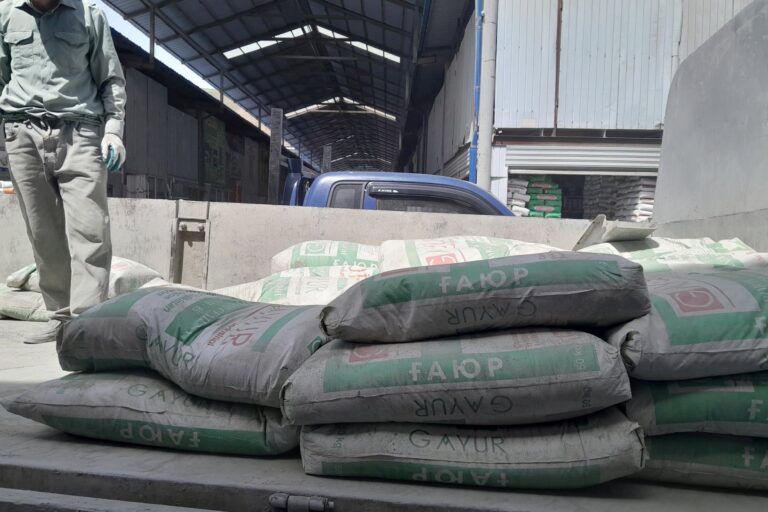
Besides, exports of the following goods have increased significantly over the reporting period: refined ore – 190,000 tons; cement – 677 tons; cotton fiber – about 50,000 tons; textile products – for 12 million US dollars; leather – 2,100 tons; dried fruits – 18,600 tons; soft drinks – 6,600 tons; and wheat flour – 1,400 tons.
Meanwhile, exports of cotton thread, hosieries, silk and canned goods have decreased over the same six-month period.
It is to be noted that more than 160 industrial enterprises in Tajikistan have been shifted to coal since 2007 and exploration and development of coal fields has been intensified in Tajikistan since 2012 when Uzbekistan stopped gas shipments to Tajikistan.
Experts say coal deposits of Tajikistan are concentrated in two coal basins: Tajik (Gissar-Darvaz) and Fergana. The first of them covers the absolute majority of deposits and occurrences concentrated in central and southern Tajikistan. Deposits and occurrences of northern Tajikistan belong to the South Fergana coal basin.
The coal deposits of the Tajik coal basin in the vast majority of cases are exposed in the mountain ranges of the Tien Shan and Pamir-Alay, framing the Afghan-Tajik basin.
In the territory of Tajikistan there are four regions of development of carbonaceous deposits, each one has a number of characteristic features according to geological zoning: 1) Zarafshan-Gissar; 2) South-Gissar; 3) the Pamir Darvaz; and 4) south-Fergana
The biggest region, largest in acreage coal-bearing area that has the maximum number of coal veins, is Zarafshan-Gissar. The coal-bearing strata extend in almost uninterrupted strip from Panjakent to the river head of the Zarafshan River.
Meanwhile, Tajik ecologists express concern about increase in production of coal in the country.