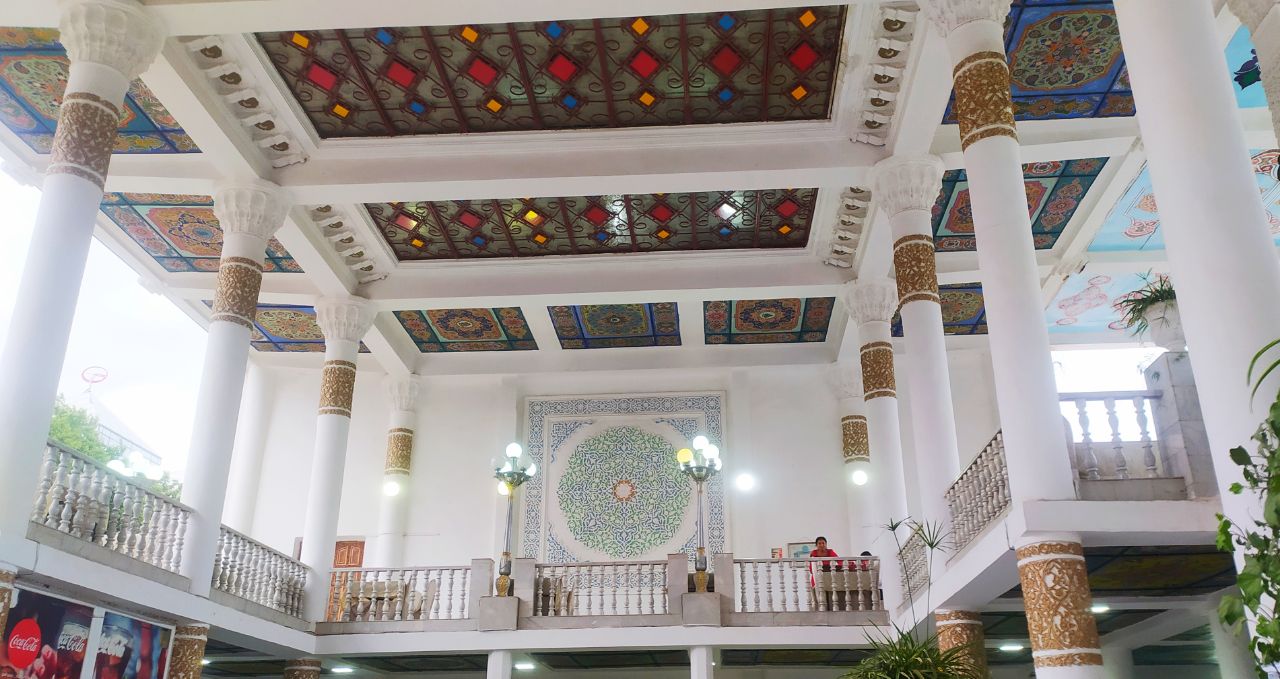
The Rohat Chaikhana (teahouse) will not be demolished, Mahmadsaid Zubaidzoda, Chairman of the Committee for Architecture and Construction under the Government of Tajikistan, told reporters in Dushanbe on July 21.
According to him, only buildings adjacent to the teahouse are subject to demolition.
Zubaidzoda further noted that there were no orders to demolish the buildings of Tajik Academic Theatre named after Abulqosim Lohouti and the Tajik Medical University situated in the central part of Dushanbe.
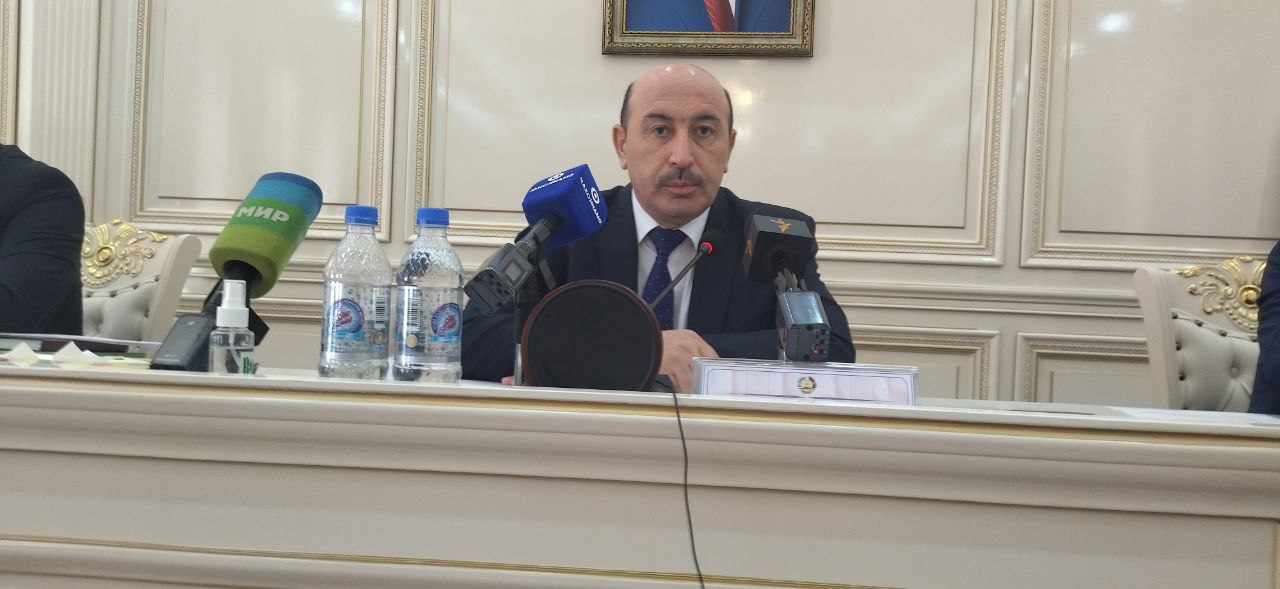
“Therefore, they will not be demolished,” Tajik official added.
Recall, CNN in February 2017 listed the Rohat Chaikhana located in Tajikistan’s capital, Dushanbe, among eleven of the world’s best teahouses.
Literally translated chaikhana means "teahouse," and they can be found all over Tajikistan. Folks — mainly men — once gathered inside chaikhana for discussions, but these days they're a place for anyone to socialize over a cup of tea.
The ornate Rohat in Dushanbe is one of the finest places to lounge and sip tea while enjoying city views, according to CNN.
The municipal redevelopment plan of Dushanbe includes the construction of modern buildings. The authorities have moved many historical buildings located in close proximity to the construction site for modern buildings.
Demolition of historical buildings in Dushanbe began several years ago and the first was the building of the Main Post Office.
The authorities then demolished the Mayakovsky Russian Drama Theater. Recall, the founding of the Tajik Soviet Socialist Republic was declared at the Mayakovsky Theater in 1929.
A string of high-profile demolitions soon followed across Dushanbe. There was the Jomi cinema, which when it was erected in the city’s main square in 1956 was one of only five panoramic cinemas in the Soviet Union.
Then, in March 2017, the city administration building – built in the 1950s in a style that combined classical European and local architecture – was demolished.
The decision to demolish the former presidential palace, which had once been the headquarters of the Tajik Communist Party, was made in February 2020. Built in 1957 to commemorate the 40th anniversary of the October Revolution, the almond-colored neoclassical building was perceived by many to be inextricably linked to the country’s history. This historic building was demolished to make space for a new, Chinese government-funded palace that will be the centerpiece of a new government complex.
Then, the city decided to demolish the Green Theatre, a 1933 building that in the 1940s had hosted theatre troupes evacuated from Leningrad and Moscow during the Nazi invasion; the building was demolished in September 2020.
Plans to demolish some of the most popular landmarks in Dushanbe have sparked outrage and city residents have repeatedly signed petitions addressed to the president and Dushanbe mayor.