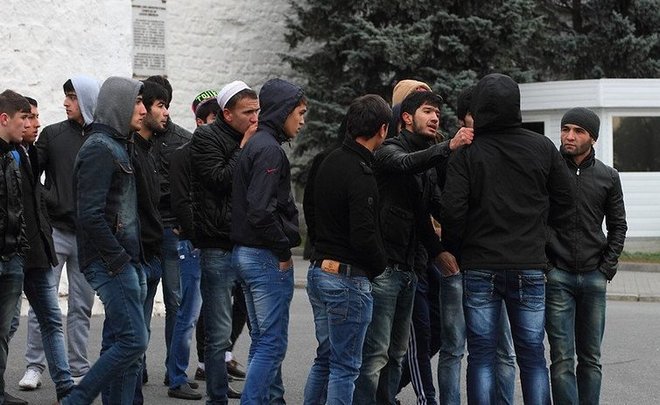
The head of the Investigative Committee of the Russian Federation, Aleksandr Bastrykin, says the number of cases of migrants committing serious and especially serious crimes in Russia has increased.
“21,048 crimes committed by foreigner have been investigated over the first six months of this year, which is 10 percent more in the same period last year,” Bastrykin said in an interview with Interfax.
According to him, illegal migrants have committed 1,685 crimes over the same six-month period.
“Last year, 7,910 crimes were committed in Russia by labor migrants and more than 2,800 crimes were committed by illegal migrants. In all, 36,420 crimes committed by foreign nationals were investigated by Russian law enforcement agencies last year, which is almost 6.0 percent more than in 2020,” the Investigative Committee head said.
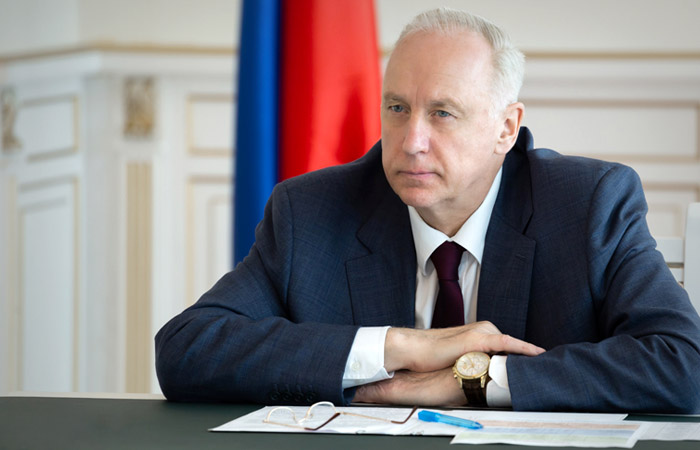
Bastrykin notes that the number serious and especially serious crimes (murders, rapes, human abduction, dissemination of extremist moods and so forth) committed by migrants has increased.
“Social maladjustment, long stay in the territory of a foreign state away from family, disorder and financial difficulties, social insecurity – all these factors, psychologically depressing, provoke the visitor to search for criminal ways out of the situation,” he said.
According to Bastrykin, most crimes are committed by middle-aged migrants, who do not work anywhere and do not have a permanent source of income.
Recall, the Liberal-Democratic Party of Russia (LDPR), which is nothing of liberal but the main right-wing populist party in Russia, proposes to toughen control over the stay of migrants in the country following the brutal killing of a 17-year-old girl in Novosibirsk.
A statement posted on the LDPR’s official website says, “The tragedy that took place in Novosibirsk, where, according to media reports, a 27-year-old citizen of Tajikistan Khoushnoud Hamroyev out of jealousy stabbed his 17-year-old girlfriend to death, is another confirmation that the law on expulsion and prohibition of entry must be strictly enforced.”
In this regard, the LDPR will prepare proposals at the legislative level on tightening the rules on the forced expulsion of migrants and strengthening control over their staying in Russia.
“Russia is a hospitable country but we don't need imports of crime!. And the need for labor resources cannot be an excuse to turn a blind eye to such “bells”,” says the statement.
LDPR representatives also propose to consider as part of public discussions introduction of mandatory quarterly drug testing for migrants, who are in Russia for more than 3 months, at the expense of the migrants themselves.
The number of crimes committed by migrants in Russia has reportedly increased. According to data from the Interior Ministry of Russia, the number of crimes committed by foreign citizens in Russia in the first quarter of this year increased by 8% compared to the same period last year.
In January-March this year, foreign citizens and stateless persons reportedly committed 10,400 crimes in the territory of Russia, which is 8.1% more than in the same period last year.
At the same time, the number of crimes against foreign citizens has increased by 6.0 percent over the same three-month period.