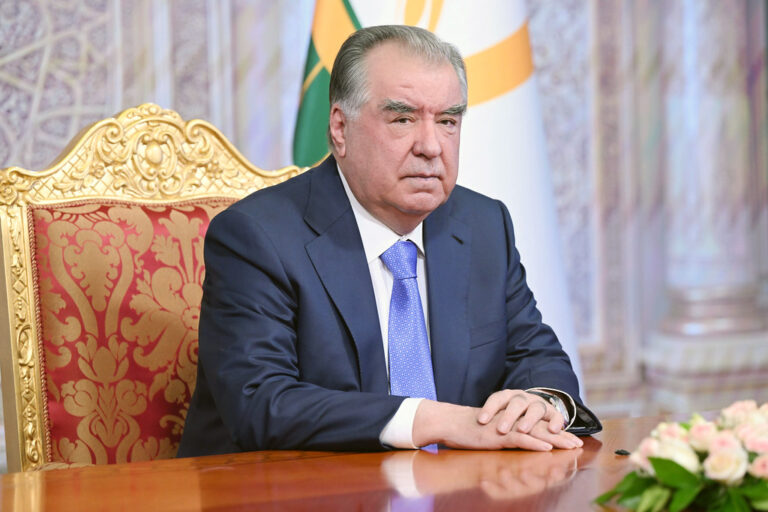
Tajik delegation is participating in a four-day 8th World Congress against the Death Penalty that is concluding in Berlin today, according to the Ministry of Justice of Tajikistan.
Tajik delegation members reportedly include Muzaffar Ashouriyon, Minister of Justice of Tajikistan and Zarif Alizoda, Assistance to the President of Tajikistan for Legal Issues.
In a statement delivered at the event, Tajik Justice Minister presented Tajikistan’s achievements in humanization of the country’s criminal legislation after the declaration of a moratorium on the death penalty in Tajikistan in 2004.
He, in particular, noted that the moratorium that has entered into force since its declaration “is not limited by any time frame and will be in effect indefinitely.”
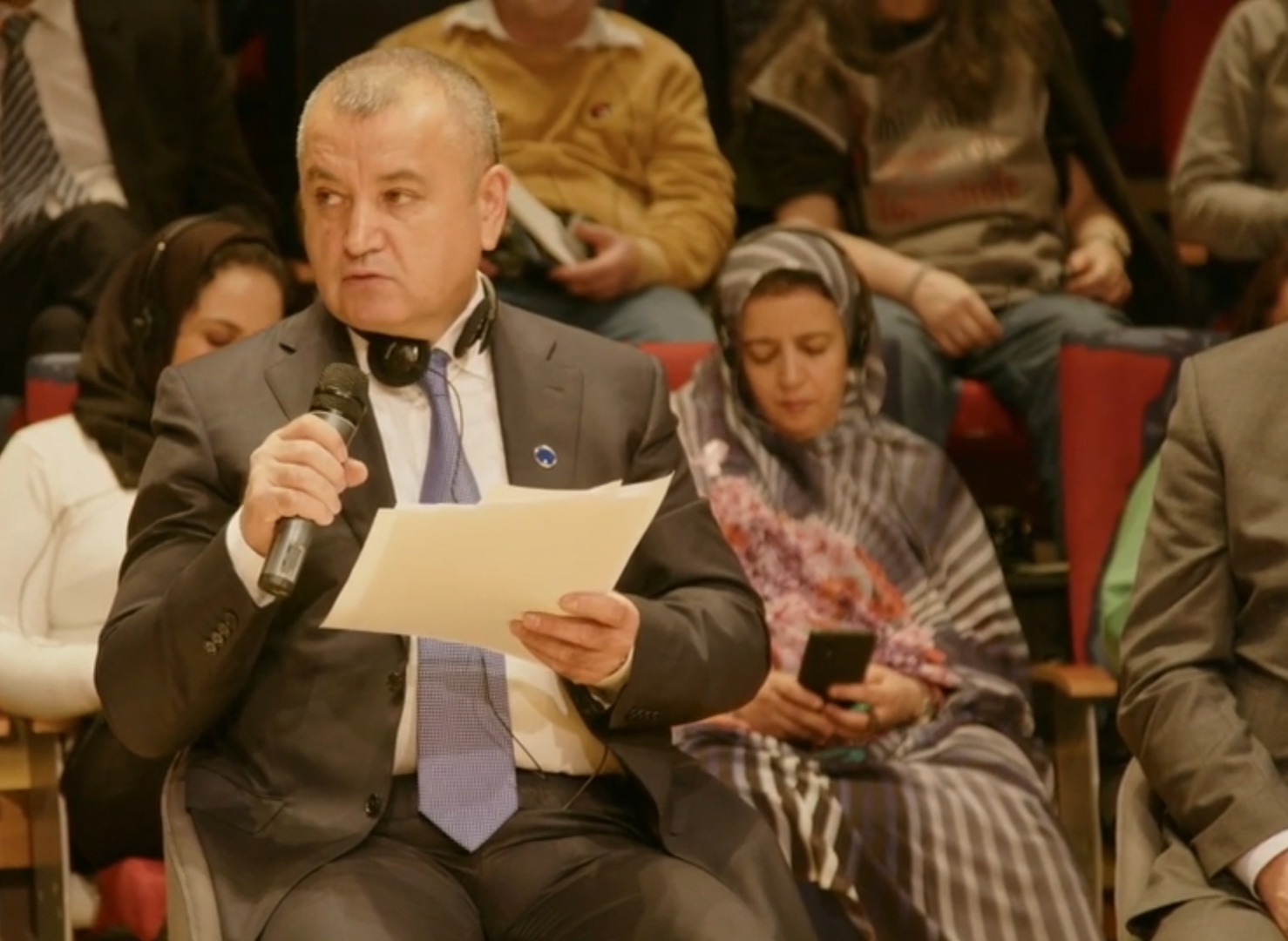
The minister reportedly emphasized that Tajikistan, along with 123 countries of the world supported the adoption of the UN General Assembly’s Resolution of December 16, 2020 on the moratorium on the use of the death penalty.
Ashouriyon assured those present of the country's intention to participate in participate in the development of mechanisms to solve issues related to the abolition of the death penalty, an official source withi8n the Ministry of Justice said.
The eighth World Congress against the Death Penalty kicked off in Berlin in the presence of Foreign Minister Hadja Lahbib on November 15.
This is a triennial event, which brings together more than a thousand opponents of the death penalty from all over the world. During four days, they are discussing in a series of debates and workshops tangible proposals to advance the global abolition of the death penalty. Today, 55 countries still maintain the death penalty, both in law and in practice.
Tajikistan put moratorium on death penalty in 2004. At the same year, life imprisonment was declared as a legal alternative of that punishment. In spite of the fact that no death penalty issued in Tajikistan, this type of punishment exists de-jure. The number of articles in Tajikistan, for which capital punishment used to be delivered, has been decreased from 16 up to 5 and they are for murder, terrorism, rape, biocide and genocide.
Up until 2004, Tajikistan ranked first among OSCE Participating States in terms of the number of death sentences imposed per population.
It is to be noted that these conclusions are based on unofficial data, as official data are classified. According to the monitoring of the public organization, Bureau for Human Rights and Rule of Law, conducted in 2004, 133 death sentences were executed in Tajikistan between 2001 and 2003, with the majority in 2001 – 68 death sentences.