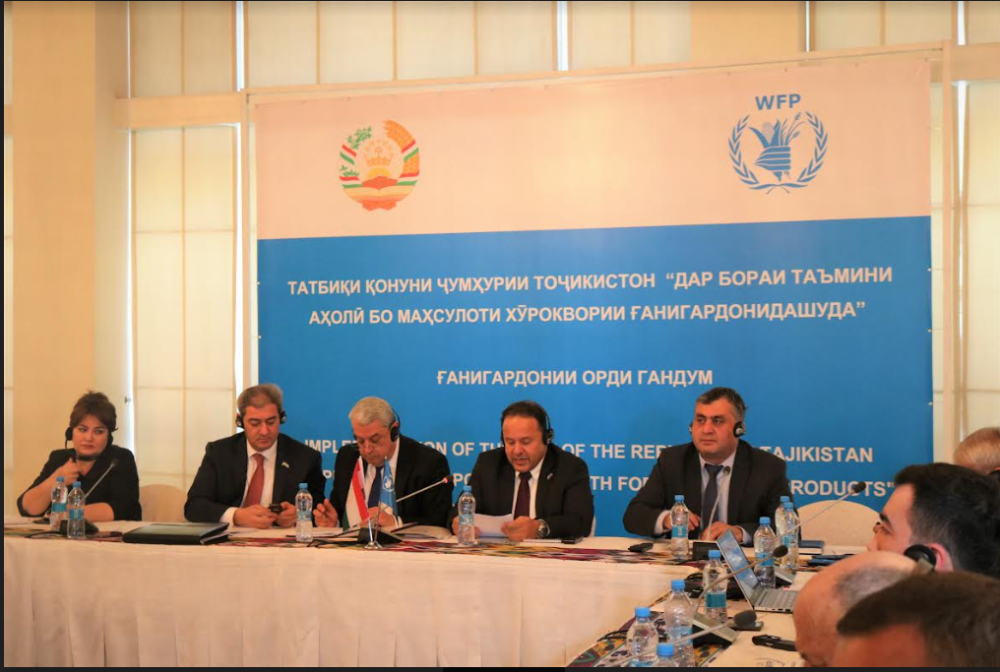
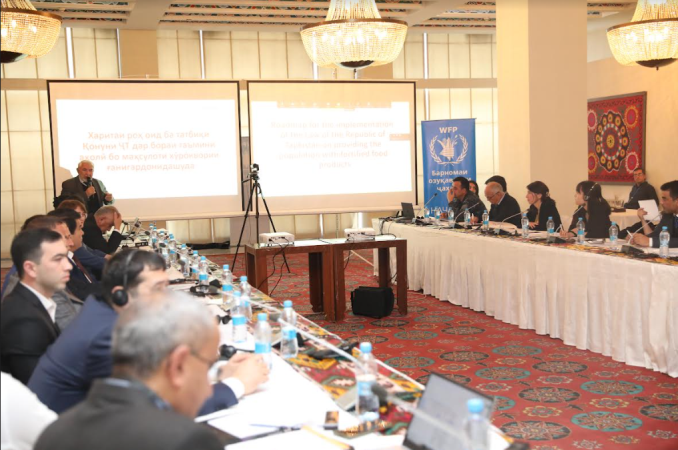
The Government of Tajikistan, the milling industry and the United Nations World Food Programme (WFP) yesterday held a national roundtable on the implementation of the national food fortification law and the next steps to further expand wheat flour fortification in the country, according to WFP Tajikistan.
Food fortification is one of the most cost-effective means of combating micronutrient deficiencies, which remain a major public health problem in Tajikistan, particularly for women and children. The roundtable was conducted by WFP and attended by representatives from the government, wheat flour mills and development partners. It is part of a series of ongoing discussions around food fortification issues, particularly wheat flour fortification in the country.
“WFP is committed to continuing to work with Government ministries, departments and the private sector to further expand fortification. As a global leader in fortification, we have a body of experiences and knowledge to offer to contribute to better health and nutrition of Tajik children and their families,” said WFP Country Director in Tajikistan Adham Musallam.
In 2022, WFP conducted a comprehensive analysis of the Government and the private sector capacities and public demand for fortification. WFP facilitated visits to mills in Sughd Region and in October, WFP also organized a study tour to Uzbekistan for fortification partners to learn about the country’s regulatory framework and implementation of wheat flour fortification.
The United Nations World Food Programme is the world’s largest humanitarian organization, saving lives in emergencies and using food assistance to build a pathway to peace, stability and prosperity for people recovering from conflict, disasters and the impact of climate change.