Tajikistan and Russia have reportedly made amendments to the indicative fuel balance for 2023.
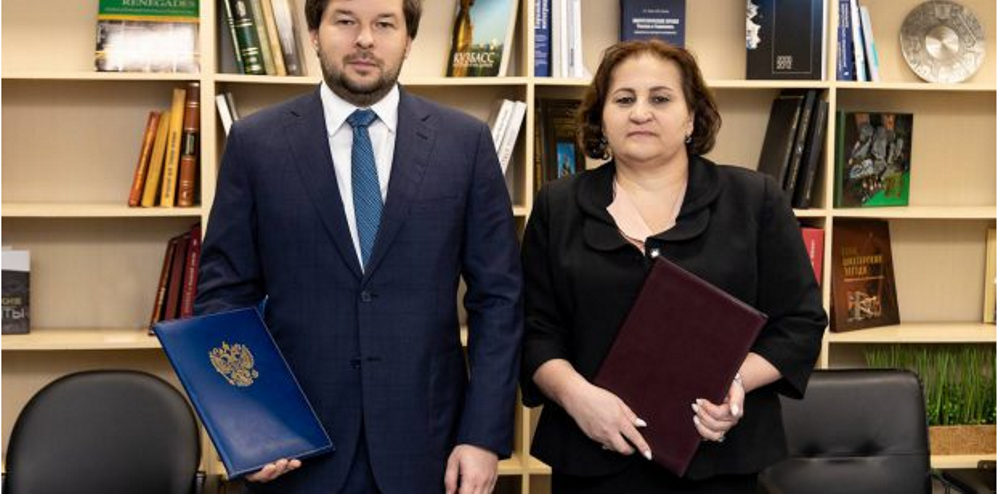
The press center of the Ministry of Energy and Water Resources of Tajikistan (MoEWR) says Ms. Sharifa Khudobakhsh, Deputy Minister of Energy and Water Resources of Tajikistan and Mr. Pavel Sorokin, First Deputy Minister of Energy of Russia signed an agreement on making amendments to the indicative fuel balance for 2023 in Moscow last month. The agreement provides for increasing duty-free Russian oil product deliveries to Tajikistan.
The MoEWR press center does not specify how much Russian preferential fuel deliveries to Tajikistan will increase.
It is to be noted that Russia provides the bulk of Tajikistan’s fuel imports.
Since 2013, more than 90 percent of all petroleum products have been imported into Tajikistan from Russia on concessional terms.
In accordance with amendments made to the government-to-government agreement between Tajikistan and Russia on petroleum product deliveries to Tajikistan, Tajikistan should provide its proposals on formation of the indicative fuel balances to Russia every year until September 5
Relevant bodies of the two countries should coordinate Tajikistan's internal fuel consumption volumes for the next year and sign indicative balances until October 1.
Besides, Tajikistan should provide information on implementation of indicative balances for nine months and the expected implementation of them during the current calendar year to Russia every year until November 15.
The sides can change the volumes of provided duty-free petroleum products for the current year until August 20 taking into account the reasonable change of internal consumption in Tajikistan.
Recall, Tajikistan was exempted from paying Russian tariffs on oil and gas exports from 1995-2010 and Russia cancelled Tajikistan’s tax exemption on May 1, 2010 that resulted in gasoline prices rising in the country.
The agreement on duty-free Russian oil product deliveries to Tajikistan was signed between the governments of Russia and Tajikistan in Moscow on February 6, 2013
Under this agreement, the sides consider and endorse the indicative fuel balance for the next calendar before October 1 of each year. Fuels delivered in addition to the indicative fuel balance will be liable to export duty.
Russian petroleum products delivered to Tajikistan in the volumes not exceeding those agreed on indicative balance are not subject to re-export to the third countries.
Under the indicative fuel balance for this year, Tajikistan currently can receive 260,000 tons of gasoline, 310,000 tons of diesel fuel, 40,000 tons of jet fuel, 30,000 tons of fuel oil, 40,000 tons of bitumen, 100,000 tons of petroleum coke and 50,000 tons of liquefied natural gas (LNG) duty-free.
According to data from the Agency for Statistics under the President of Tajikistan, Tajikistan has imported about 500,000 of petroleum products over the first nine months of this year, which is 24 percent more than in the same period last year.