An article by Bashar Hlayhel, Troy Matheson, and Sahra Sakha, posted on the IMF’s website, says poverty reduction in the Caucasus and Central Asia region (CCA) is likely to stall due to Russia’s war in Ukraine and the cost-of-living crisis, which comes on top of pandemic-related work disruptions and loss of income that impacted poor people the most.
Russia's War in Ukraine Could Raise Poverty in Caucasus, Central Asia notes that when Russia invaded Ukraine in February, the CCA nations were expected to be among the hardest hit by the war’s fallout due to their proximity and close economic ties to Russia. But surprisingly, economic activity in most of the region’s countries has held up well so far, partly due to unexpected positive spillovers, including a surge in income and financial inflows to the region.
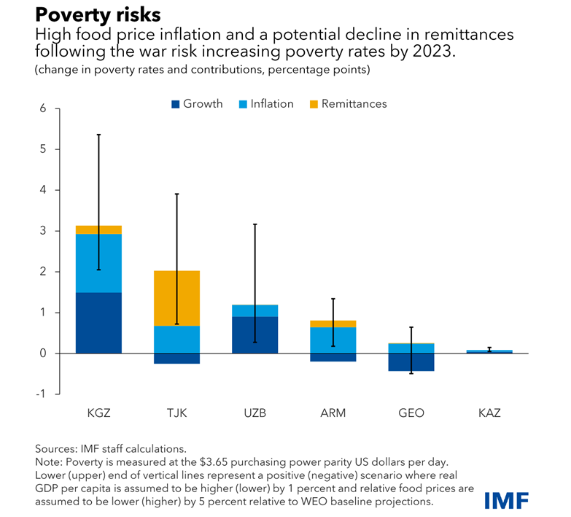
Despite these spillovers, IMF’s latest Regional Economic Outlook shows that the war in Ukraine could raise poverty rates by about 1 percentage point across the CCA countries through its impact on inflation and remittances. This implies that nearly an additional one million people could fall into poverty in the coming years. The poorest people in the poorest countries will bear the brunt of the war.
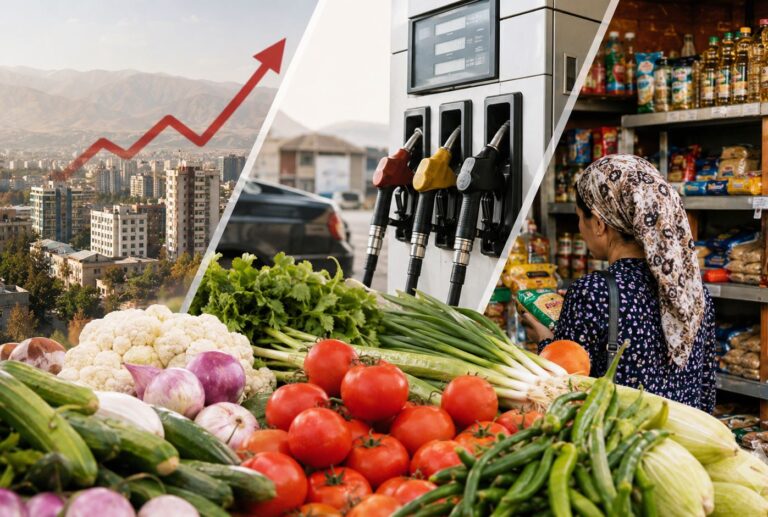
The article notes that even before the war, inflation had been rising in the region. However, the war’s impact on global food and energy prices has exacerbated the inflation outlook.
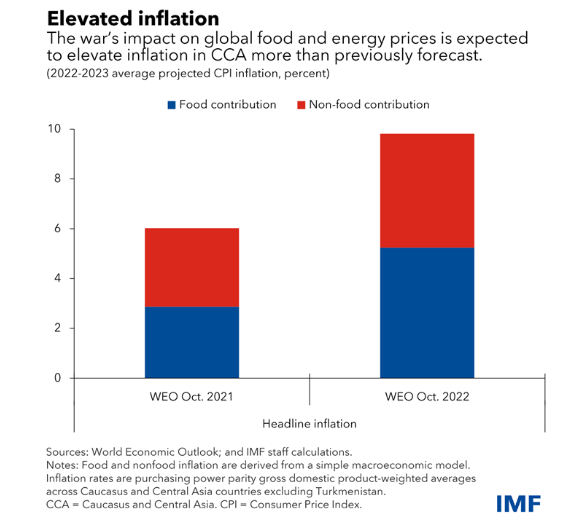
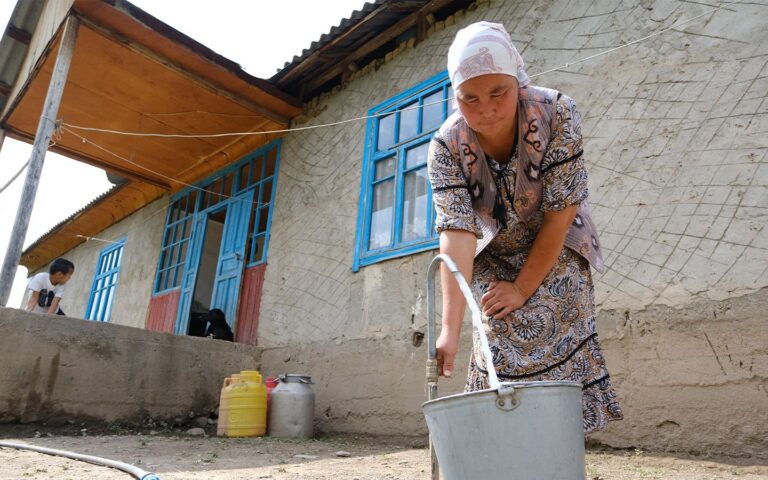
Although food prices are below their pre-war levels now, they are still significantly higher than the 2021 average. High food prices are especially concerning for low-income families who have low savings and spend a higher share of their income on food—as much as 60 to 70 percent in Azerbaijan, Kyrgyzstan, and Tajikistan.
Remittances account for 10 to 30 percent of the gross domestic product in Armenia, Georgia, Kyrgyzstan, Tajikistan, and Uzbekistan. Russia is the most important source of remittances for most of these countries, especially for Tajikistan and Kyrgyzstan.
However, sustained sanctions on Russia reportedly could damage its productive capacity, leading to persistent changes in migration patterns and a drop in remittances from Russia.
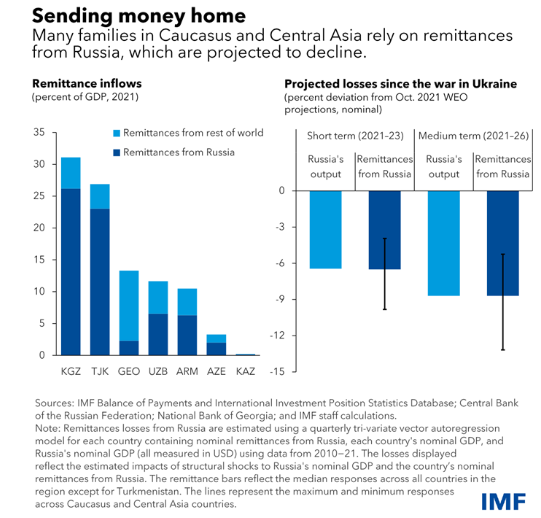
By 2023, high food price inflation is expected to increase poverty rates by an average of 0.7 percentage points across most countries in the region, according to the article. Tajikistan and Kyrgyzstan are reportedly most at risk. A sharp decline in remittances could increase the poverty rate even more—by up to 1.4 percentage points in Tajikistan.
The authors say policymakers should prioritize mitigating the war’s potential impact on the vulnerable by making substantial investments to improve the coverage, adequacy, targeting, and efficiency of social safety nets. Additional targeted support may be needed if declines in remittances persist.
According to them, governments must act now to prevent the war in Ukraine and the broadening sanctions on Russia from increasing poverty levels and reversing their hard-won achievements of the last two decades.