Tajikistan’s state-run power utility company claims that power rationing period in rural areas declining

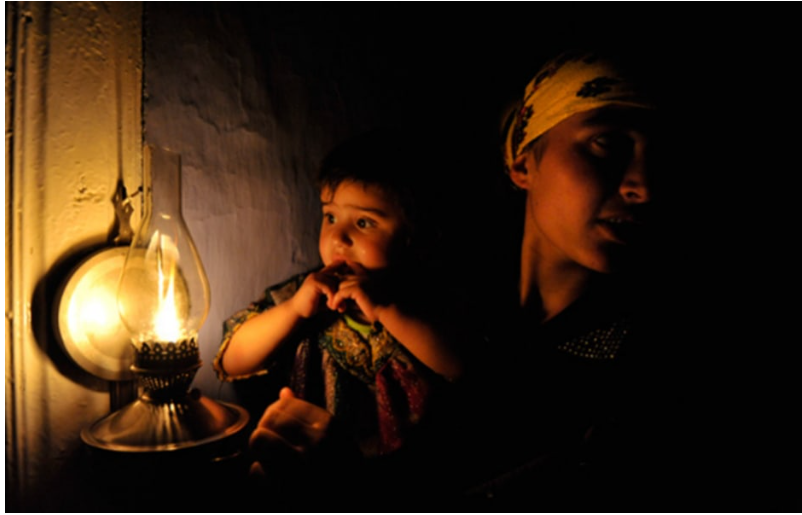
Nozirjon Yodgori, the head of the press center of Barqi Tojik (Tajikistan’s state-run power utility company), told Tajik weekly S.S.S.R in an interview that the power rationing period is gradually declining in the country’s rural areas. “Now, electricity is cut off only from 11:00 pm to 5:00 am,” Yodgori said. Meanwhile, residents of most rural […]

Nozirjon Yodgori, the head of the press center of Barqi Tojik (Tajikistan’s state-run power utility company), told Tajik weekly S.S.S.R in an interview that the power rationing period is gradually declining in the country’s rural areas.

“Now, electricity is cut off only from 11:00 pm to 5:00 am,” Yodgori said.

Meanwhile, residents of most rural areas say that they do not have electricity for several hours in the daytime as well.  

Recall, residents in rural areas have not had electricity for several hours since late September. Complaints have come almost from regions of the country.  Residents of rural areas said they have not had from 8:00am to 5:00 pm and from 10:00 pm to 6:00 am.  

One of the social media users wrote in early October that when he asked employees of the local power grid about the reason for the blackout, they said, “We don’t know anything about the reason for the blackout.  We cut off electricity on the orders of the leadership.” 

Meanwhile, Barqi Tojik spokesman Nozirjon Yodgori stated at the time that there are no restrictions on electricity consumption in the country.  He claimed that power interruptions were linked only to work on overhauling production and transmission infrastructure. 

President Emomali Rahmon said on October 24 during a meeting with the public in the city of Nurek that they should expect yet another winter of power rationing.  He argued that “even the developed countries of the world” were experiencing electricity shortages and that households must be frugal.

Measures rationing electricity supplies are usually introduced in all regions except Dushanbe, the Gorno Badakhshan Autonomous Region (GBAO) and regional administrative centers and they seek to curb the country's rising electricity consumption.

The rationing results in the supply of daily electrical power being reduced to 12 or 10 hours.  In addition to curbing rising consumption, the move also stems from a decline in the water level in the country's reservoirs powering the main hydroelectric power plants.

Join us on social media!

Article translations:

Related Article

Оби зулол
Оби зулол
Tenisi

Most Read

Коммерсбонк Точикистон

Recent Articles

RZD announces the restoration of passenger services between Moscow and Dushanbe

Direct rail services between the capitals of Russia and Tajikistan were suspended in March 2020 due to the COVID-19 pandemic.

#AP30/Stories. “Selam! Heller nichek?” How Tatars live today in Sughd province

On the 30th anniversary of "Asia-Plus," we continue to publish reports that remain relevant even after years. This story was told in 2021, and since then, little has changed in the life of the Tatar community in Tajikistan.

15,000 cameras, drones, and robots: how technology monitors pilgrims in Mecca and Medina

During Hajj 2026, Mecca and Medina were under unprecedented digital control.

Another child in Dushanbe removed from family and sent to boarding school

The Ministry of Internal Affairs reports that the parents did not pay adequate attention to the child.

Emomali Rahmon instructs to address issues in seed production following criticism of the industry

Issues have been noted with certification, seed quality, and the material and technical base of the industry.

Water, climate, and a $130 billion deficit: seven key outcomes of the Water Conference in Dushanbe

At the forum, countries and international organizations discussed new mechanisms for cooperation, investments, and technologies that are essential for addressing the global water crisis.

Eskhata Bank introduces a new generation children’s wallet

"Eshkata Bank" has created a full-fledged digital platform that helps children aged 7 to 16 learn how to manage money.