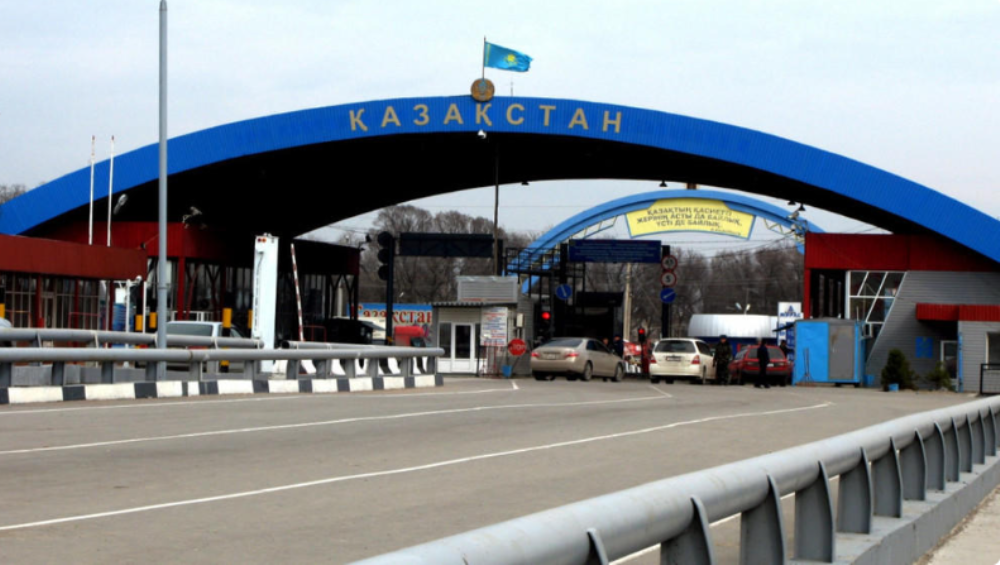
Kazakhstan has changed its entry rules for foreigners. The new rules, expected to come into force on January 27 this month, change the allowable period of immigrants' presence in Kazakhstan. For instance, immigrants without a visa will be allowed to stay in Kazakhstan for up to 30 days from the day they cross the border, and a total of 90 days during each 180-day period.
The new restrictions will target visitors who previously circumvented Kazakhstan’s migration rules through so-called visa runs — by crossing Kazakhstan’s borders and returning immediately, effectively resetting the clock on the 90-day maximum visa-free stay.
Thus, the amendments spell out that citizens of some countries, including Tajikistan, now can remain for no more than 90 out of 180 days.
Kazakhstan offers visa-free entry for 54 countries, with citizens of some, including most post-Soviet states, allowed to remain for 90 days, with varying registration requirements.
Eurasianet says the only way around this is to find a job with an employment contract or have another official reason to reside temporarily in Kazakhstan, such as study, medical treatment or family reunification.
Foreigners who arrived in Kazakhstan with a visa or who were issued temporary residence permits will also not be affected by the new rules.
The amendments will particularly affect Kyrgyz and Tajik migrant workers, some of whom have exploited the loophole to work unofficially in Kazakhstan.
The economic situation in Russia after Western sanctions due to the invasion of Ukraine forced some Tajik migrants to seek work in Kazakhstan. Migrants say that they earn less in Kazakhstan than in Russia, but they feel safe there.
Aziyanews portal noted in November last year that dozens of Tajik migrants work at the Sharyn wholesale market in the Kazakh capital of Astana. Tajik migrants reportedly also work at construction sites in Astana. Some of them arrived in Kazakhstan after being deported from Russia and banned from entering the country for five years.
According to Tajik migrants, unlike the situation in Russia, hate crimes and xenophobic crimes are rare in Kazakhstan.
The exact number of Tajik migrants working in Astana is unknown. The Migration Service of the Ministry of Labor, Migration and Employment of the Population of Tajikistan reported in July last year that 10,500 are currently working in Kazakhstan. According to Aziyanews portal, the number of Tajik migrants working in Kazakhstan is steadily growing.