Tajik authorities take measures to ensure full accounting of manufacturing of alcohol and tobacco products

By government’s regulation the procedure for the production and circulation of excise tax stamps by manufacturers of alcohol and tobacco products has been approved.   The regulation, which has been posted on the Justice Ministry’s website for legal information, approved the list of tobacco and alcohol products subject to mandatory excise tax marking.    Relevant agencies are […]

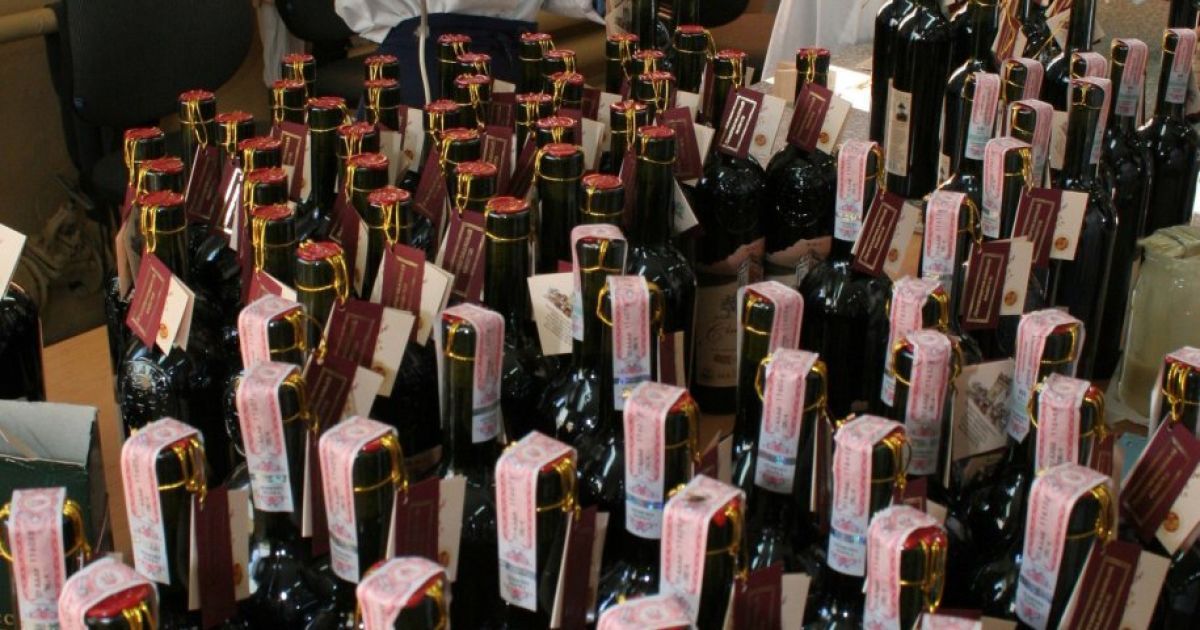
By government’s regulation the procedure for the production and circulation of excise tax stamps by manufacturers of alcohol and tobacco products has been approved.  

The regulation, which has been posted on the Justice Ministry’s website for legal information, approved the list of tobacco and alcohol products subject to mandatory excise tax marking.   

Relevant agencies are ordered to enact new regulations a month after the official publication of the government’s regulation (the regulation was published on January 13, 2023). 

The significance of developing the procedure is justified by the need to provide full accounting of manufacturing tobacco and alcohol products in the country.  

Sale of excisable goods without excise tax stamps is prohibited and such goods are withdrawn from shelves; manufacturers and importers are responsible for the lack of the excise tax marking.  

The following is the list of excisable goods: natural grape wines, including fortified ones, as well as grape must; vermouths and natural grape wines with the addition of herbal or aromatic substances; ethyl alcohol, liqueurs and other spirits; cigars, including those with cut ends, cigarillos and cigarettes made from tobacco or tobacco substitutes;

The combination of high consumption levels and high excise tax rates continues to feed the demand for illicit products. The stamps gave governments an immediate solution to regain control over the goods – mainly cigarettes and spirits – being sold in their territory; they provided visible proof that excise taxes had been paid, and allowed counterfeits to be distinguished from genuine products.

Tax stamps are not the only approach for addressing tax recovery and illicit trade; however, as a key element used in combination with other measures such as strengthened enforcement, tax stamps have led to good results for governments and other stakeholders, results which have in turn driven their continued growth and technological development.

Join us on social media!

Article translations:

Related Article

Оби зулол
Tenisi
Оби зулол

Most Read

Коммерсбонк Точикистон

Recent Articles

RZD announces the restoration of passenger services between Moscow and Dushanbe

Direct rail services between the capitals of Russia and Tajikistan were suspended in March 2020 due to the COVID-19 pandemic.

#AP30/Stories. “Selam! Heller nichek?” How Tatars live today in Sughd province

On the 30th anniversary of "Asia-Plus," we continue to publish reports that remain relevant even after years. This story was told in 2021, and since then, little has changed in the life of the Tatar community in Tajikistan.

15,000 cameras, drones, and robots: how technology monitors pilgrims in Mecca and Medina

During Hajj 2026, Mecca and Medina were under unprecedented digital control.

Another child in Dushanbe removed from family and sent to boarding school

The Ministry of Internal Affairs reports that the parents did not pay adequate attention to the child.

Emomali Rahmon instructs to address issues in seed production following criticism of the industry

Issues have been noted with certification, seed quality, and the material and technical base of the industry.

Water, climate, and a $130 billion deficit: seven key outcomes of the Water Conference in Dushanbe

At the forum, countries and international organizations discussed new mechanisms for cooperation, investments, and technologies that are essential for addressing the global water crisis.

Eskhata Bank introduces a new generation children’s wallet

"Eshkata Bank" has created a full-fledged digital platform that helps children aged 7 to 16 learn how to manage money.