The World Bank (WB)’s Board of Executive Directors on February 23 approved US$50 million in grant financing from the International Development Association (IDA) for the Learning Environment – Foundation of Quality Education in Tajikistan Project, aimed at enhancing the quality of teaching and learning in Tajikistan’s secondary education.
Press release issued by the World Bank Dushanbe Office, in particular, notes that while access to general secondary education is high in Tajikistan, with enrollment at 96.6% in 2019, the learning outcomes remain low. According to the 2020 Human Capital Index, a child in Tajikistan born in 2020 can be expected to attend 10.9 years of schooling by the 18th birthday. However, with a harmonized learning outcome (HLO) score, the learning-adjusted years of schooling drops to 6.8 years, representing a learning gap of 4.1 years.
“Education is a critical investment in human capital and is linked to higher wages and GDP growth,” said Ozan Sevimli, World Bank Country Manager for Tajikistan. “We are very excited about this new investment as it seeks to improve teaching and learning for a young and growing population and supports capacity improvements and learning assessments towards a more accountable, effective, and inclusive education system.”
The first component of the project will support the development and implementation of a new national framework for teaching and learning environments. Among other aspects, it will include the update of the teaching practices and quality assurance mechanisms to ensure its implementation and enforcement and provide capacity building to staff across educational institutions for its implementation.
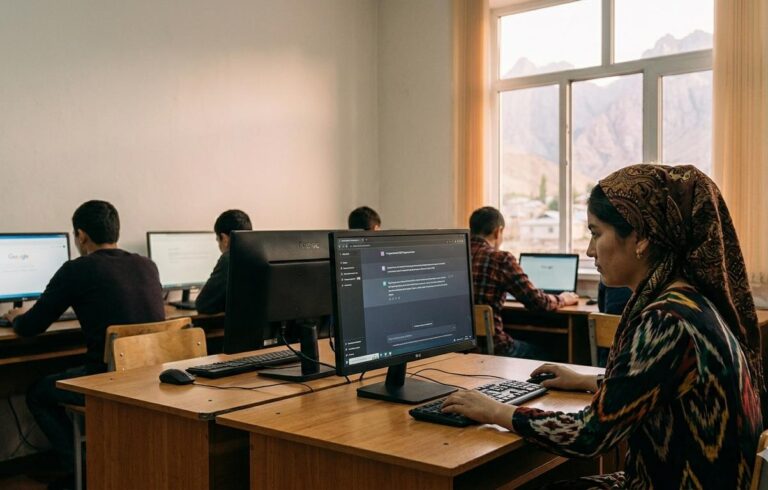
The second component will invest in rehabilitation and modernization of schools to allow for more classrooms, opening of modern laboratories, provision of ICT equipment and expansion of opportunities for STEM subjects so that Tajikistan’s students have the modern skills essential for the 21st century. Investments will also be made in school ventilation systems, energy efficiency and improvement of toilets and hygiene facilities, especially for girls. These investments will directly benefit 40,000 students and 1200 teachers of the 65 target schools.
The third component will enhance the country’s capacity to carry out national and international assessments, such as PISA (Program for International Student Assessment). These assessments are critical for monitoring of students’ learning outcomes and producing reliable data to inform policies and decision making.
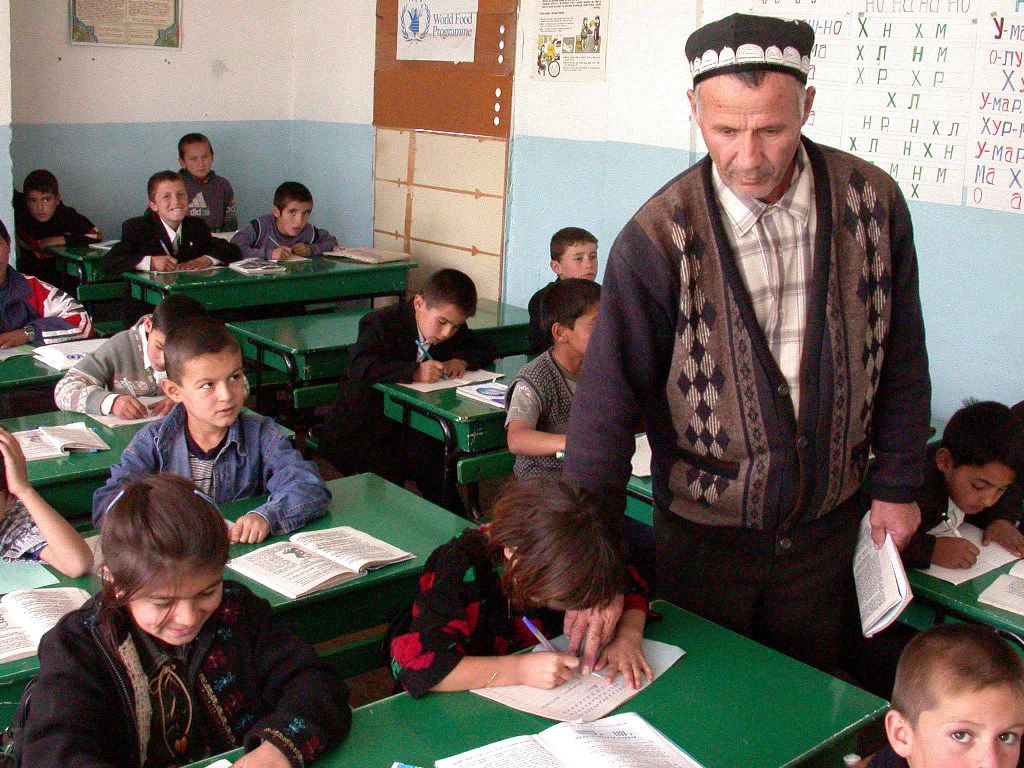
Poor school teaching and learning environments are a major challenge in Tajikistan. Most public schools are in urgent need of improvements ranging from the skills and competencies of teachers to physical learning spaces. Poor learning outcomes are evident starting in the early grades. Only 55% of students in grade 2 can read the benchmark of 40 Tajik words per minute, decreasing to 41% in grade 4,