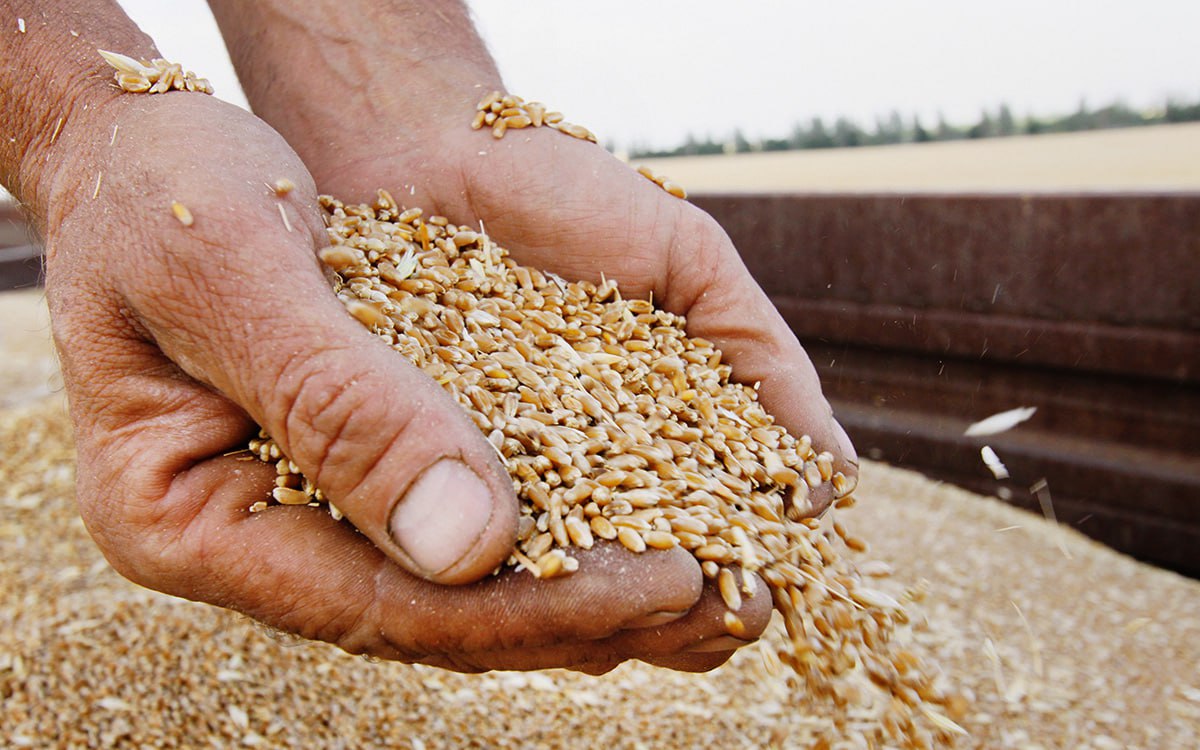
In February this year, wheat prices in Russia and Kazakhstan fell on average by 23% and 53%, respectively compared to last year's levels, Zerno On-Line reported, referring to Rosstat. This can negatively affect the supply of grain to Tajikistan.
In Russia, an average price for one ton of 3rd class soft wheat has reportedly dropped to US$170.00 (23-percent decrease) and an average price for one ton of durum wheat has fallen to US$200.00 (53-percent decrease).
Russia’s IKAR agriculture consultancy said in early February this year that Russian wheat prices fell as a record harvest and record wheat stocks helped keep supplies high.
Prices for Russian wheat with 12.5% protein content, delivered free on board (FOB) from Black Sea ports, were reportedly down US$297.00 per ton.
According to EIDala.kz, an average price for one ton of wheat has fallen from US$400.00 to US$190.00. EIDala.kz notes that “cheap Russian grain, part of which is delivered to Kazakhstan illegally, pressures on the domestic market.”
The volumes of the so-called grey imports have reached 1.5 million tons – 2 million tons per year and the total annual damage to the country is estimated at US$500 million.
Therefore, Kazakhstan plans to temporarily ban the import of grain from Russia by road for six month in order to support domestic producers and businesses. APK-Inform, citing the National Association of Exporters, KazGrain, reported on March 15 that that issue was discussed at a meeting with the exporters, industry associations, and relevant ministries, but an official decision has not yet been made.
According to the exporters, such a measure is being considered in order to support domestic agriproducers and maintain prices for Kazakh wheat.
KazGrain claims that there are all the reasons for a further decrease in grain prices – the planting campaign is coming soon, and therefore agriproducers will try to sell the remaining crops and the supply on the grain market will increase.
KazGrain reportedly proposed to introduce a complete ban on the import of grain from Russia by both road and rail transport for three months in order to stop the decrease in grain prices for domestic farmers due to pressure on the market from cheap Russian wheat.
The holy month of Ramadan is reportedly another factor affecting the grain market in the countries of Central Asia, during which there is a traditional decrease in demand for food. In order to support the prices of Kazakh grain during this period, exporters are also asking to be allowed to export grain to China by grain trucks.
Due to the cheapness of grain, Russian and Kazakh producers say becomes unprofitable to sell wheat abroad.
An entrepreneur from the Tajik northern province of Sughd, Asror Madaminov, is not happy with the sharp drop in wheat prices in Kazakhstan and Russia.
According to him, they can put a temporary ban on wheat exports in the hope than wheat prices will go up in the coming months, and as result, failures may occur in the supply of grain to Tajikistan.