Tajikistan’s economic growth is expected to decelerate to 5.0 percent this year as the 2022 positive shock subsides and remittance inflows diminish, which is expected to result in a contraction in private consumption, says a report released by the World Bank (WB).
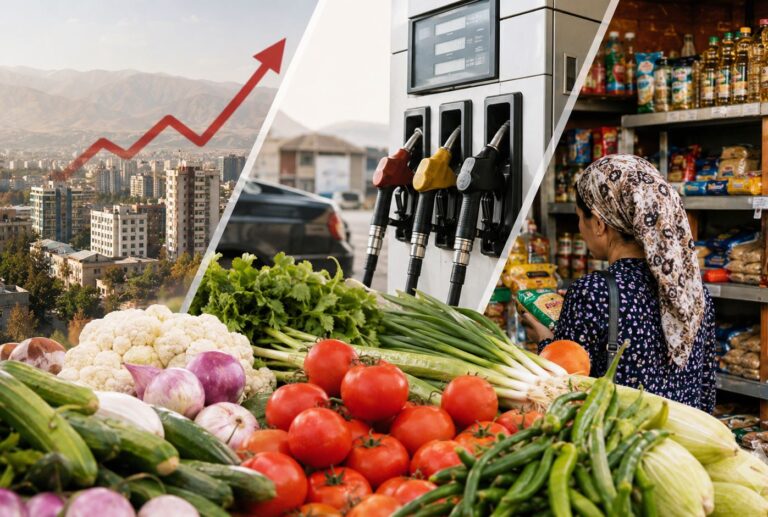
“Weak Growth, High Inflation, and Cost-of-Living Crisis: Europe and Central Asia Economic Update”, in particular, notes that inflation is expected to decrease gradually and remain within the National Bank of Tajikistan (NBT)’s 4.0-8.0 percent target range, supported by tight monetary policy.
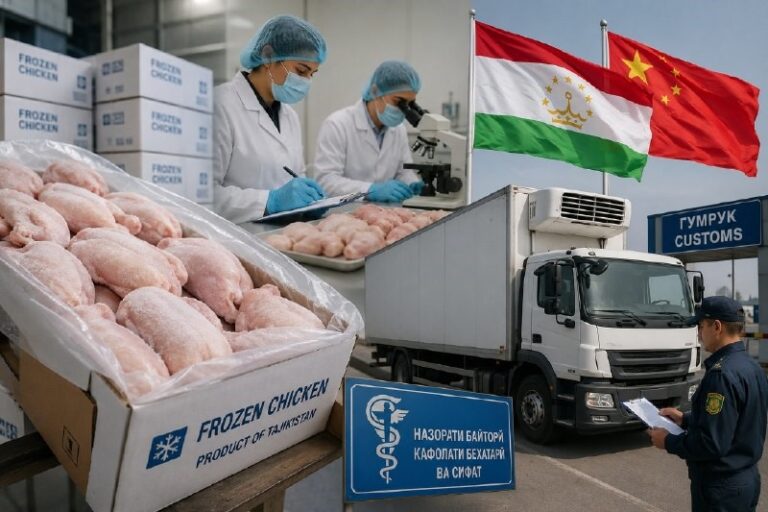
Reduced global demand is reportedly expected to weaken Tajikistan’s export of precious metals and minerals.
Over the medium term, the fiscal deficit is expected to remain in line with the Government’s target of 2.5 percent of GDP.
Tajikistan’s outlook reportedly faces substantial downside risks. Holders of dual Tajik and Russian citizenship remain at elevated risk of military mobilization in Russia, which could trigger a return of migrants and a greater need for social assistance.
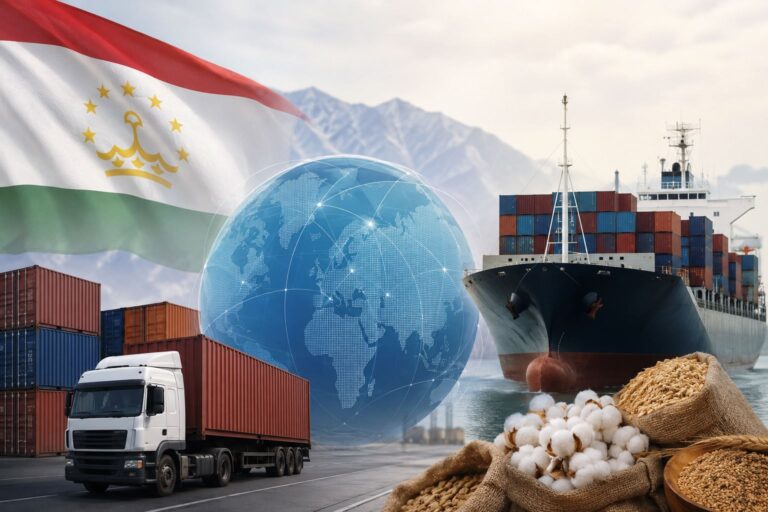
The report notes that the growth model is based on natural resources extraction and exports, and substantial remittances from migrants working mainly in Russia. This model presents inherent vulnerabilities associated with the high dependency on income from labor migrants from one country, the limited domestic production base, and the undiversified export basket.
The private sector has reportedly not been able to invest and grow in an environment with significant barriers to competition, obstacles to business operations, unpredictable tax regimes, and shallow financial markets. Moreover, underinvestment in human capital (in favor of physical infrastructure, mainly for large hydroelectric plants), high trade and connectivity costs, and predominance of inefficient loss-making state-owned enterprises (SOEs), undermine the economy’s competitiveness.
The report says the Tajik economy expanded by 8.0 percent in 2022, driven by Russia’s strong labor demand, which combined with the appreciation of the Russian ruble resulted in substantial remittance inflows. This positive shock fueled household consumption. Private investment was buoyant, led by the mining industry.
The trade deficit reportedly widened due to lower exports of precious metals and buoyant imports. However, the substantial remittances offset this and led to a current account surplus of 6.1 percent of GDP.
Combined with net FDI inflows of 4.1 percent of GDP to the mining sector, international reserves rose to USD 3.8 billion, providing around 7.5 months of import cover.
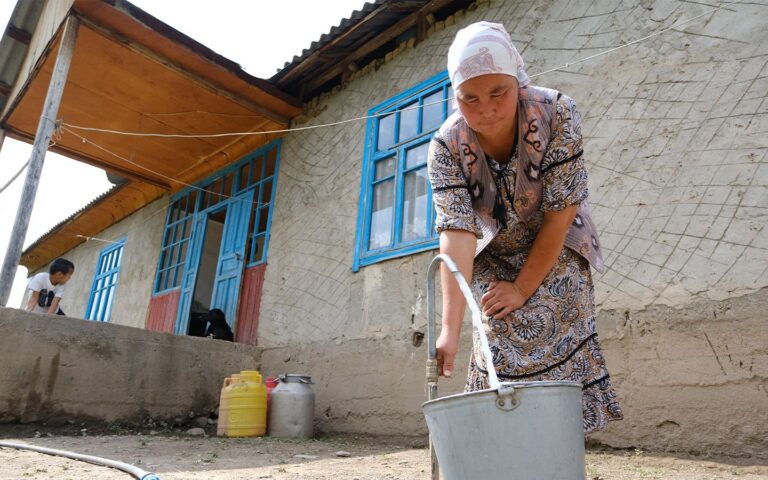
Migration reportedly increased significantly in 2022 before reversing after Russia announced mobilization in September. The share of households with a migrant increased from 42 percent to 50 percent during the first half 2022 but steadily declined afterward.
The report says Tajikistan needs to accelerate structural reforms, primarily by strengthening the independence of the judicial system; opening up key sectors to competition and leveling the playing field for businesses, notably in backbone sectors such as telecommunications and aviation; refocusing public resources on human capital development; and enhancing management of public finance and the governance of public enterprises.