Ms. Sarah Rinaldi, Head of Unit for the Middle East & Central Asia in the European Commission Directorate General for International Partnerships, visited Tajikistan to co-chair the 3rd European Union – Tajikistan Sub-Committee on Development Cooperation.
According to The European Union (EU) Delegation to Tajikistan, representatives of the EU and the Government of Tajikistan discussed cooperation in the context of the EU’s 2021-2027 bilateral program for Tajikistan and other areas of ongoing cooperation, including regional programs such as the two Team Europe Initiatives on Water-Energy-Climate Change, and Digital Connectivity.
Ms. Rinaldi co-chaired the Sub-Committee together with Mr. Raimundas Karoblis, Ambassador of the EU to Tajikistan, and Mr. Ashurboy Solehzoda, Deputy Minister of Economic Development and Trade of Tajikistan.
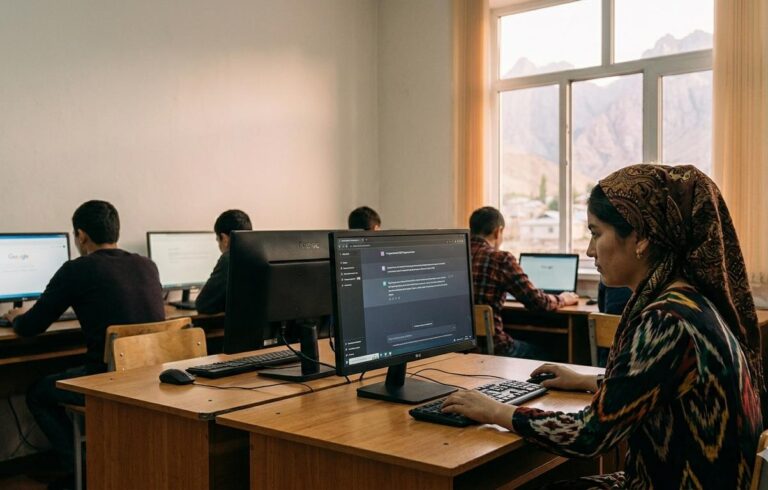
Together with Mr. Faiziddin Qahhorzoda, Minister of Finance, Ms. Rinaldi reportedly also co-chaired the first Steering Committee for the €30 million budget support program which the EU launched recently for developing Tajikistan’s technical and vocational education and training (TVET) and employment sectors. Furthermore, she held several meetings with government representatives and development partners.
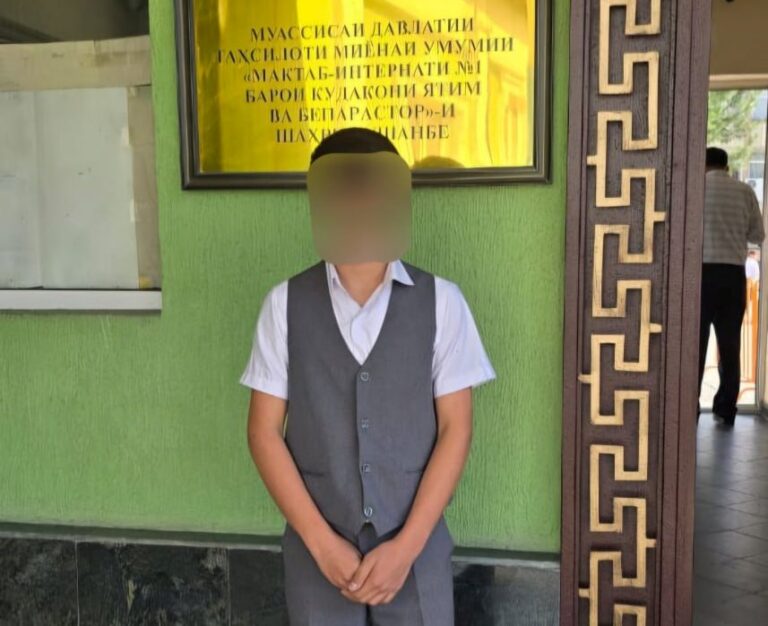
Visits to the construction of the Roghun Hydropower Project on the Vakhsh River, as well as EU-funded projects in support of youth education, skills and employment in the Rasht Valley provided an excellent opportunity to illustrate the scope and nature of EU engagement in Tajikistan.
The Sub-Committee and the visit reaffirmed the strong EU-Tajikistan relations and allowed for fruitful discussions on how to further enhance efficiency and strengthen cooperation under current and future programs.
The European Union is the world’s largest aid donor. Tajikistan receives the main share of EU's bilateral assistance to Central Asia: €251 million for 2014-2020. During this period, the development cooperation between the EU and Tajikistan covers three key sectors: education – focusing on secondary general education and TVET; health – focusing on Primary Healthcare and Health Financing; and rural development – including support to agrarian reform, rural entrepreneurship, irrigation and water sector reform, as well as promoting natural resources management. The EU also supports reforms of the country's governance systems, trade policies and Public Finance Management.
Tajikistan also receives regional and thematic assistance in areas like border management, drug control, education, democracy and human rights, non-State actors, energy, transport, SME development, peace and stability, and water/environment/nuclear safety. The EU has been active in Tajikistan since 1992 and provides approximately €35 million annually in development assistance in grants.