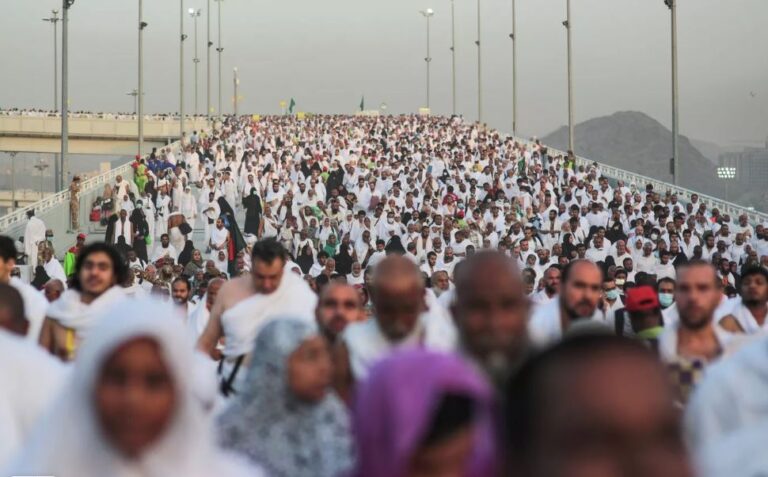
The U.S. Commission on International Religious Freedom (USCIRF) published its annual report on international religious freedom last month. The report, in particular, notes that religious freedom conditions in Tajikistan last year remained dire. The Tajik government continued to severely repress the country’s Muslim majority. Children under the age of 18 are barred from visiting mosques and all other public religious activities except for funerals. Private religious education is banned, and children are only allowed to receive religious instruction from their parents at home. Since 2014, the government has appointed all imams, required them to wear state-issued religious garments, and strictly dictated their sermons. People under the age of 35 are not allowed to perform the Hajj.
According to the report, the Tajik government last year implemented new methods of persecution specifically aimed at the country’s minority Ismaili Shi’a Muslim population, including closure of a religious school and other community activities, and shuttering of religious bookstores that sold Ismaili literature and other materials.
In Tajikistan, the government reportedly punished alleged extremism and terrorism without requiring acts that involved violence or incitement of imminent violence. Charges are often arbitrarily issued against religious individuals and their trials lacked due process and procedural safeguards. The Tajik government continued to imprison multiple individuals on lengthy prison sentences for peacefully expressing their faith, including those who veered from the state-scripted sermons, preached without an official appointment by the government, provided religious education, or attempted to share their faith publicly.
The government continued to require the registration of all religious communities, according to the report. Unregistered religious communities cannot legally convene religious meetings or assemblies, own or use property for religious purposes, produce or import religious literature, receive donations, carry out charitable work, or invite foreign persons to participate in religious activities. In May, government officials reportedly told Protestant Christian leaders that the government would not register any new churches. Like the restrictions placed on Muslims, children of Christian families cannot attend church or other related activities such as religious camps. In August, the government demanded that all non-Muslim communities fill out questionnaires detailing information about the community’s employees and their families and any financial contributions the community receives. In September, the United Nations Human Rights Committee (UNHRCtee) reportedly determined that Tajikistan’s refusal to register Jehovah’s Witnesses violated Articles 18(1) and 18(3) of the International Covenant on Civil and Political Rights, which guarantee protections for the right to freedom of religion or belief.
USCIRF, in particular, recommends that the United States government designate Tajikistan as a “country of particular concern,” or CPC, for engaging in systematic, ongoing, and egregious violations of religious freedom, as defined by the International Religious Freedom Act (IRFA), and lift the waiver releasing the administration from taking otherwise legislatively mandated action as a result of the designation; press the Tajik government at the highest levels to identify and immediately release individuals imprisoned in Tajikistan for their peaceful religious activities or religious affiliations; and account for the whereabouts of all prisoners of conscience, including those imprisoned on religious grounds; and allow international observers to monitor conditions in Tajik prisons.