Tajikistan and Kyrgyzstan have agreed to not use unmanned aerial vehicles (UAVs) over their common border.
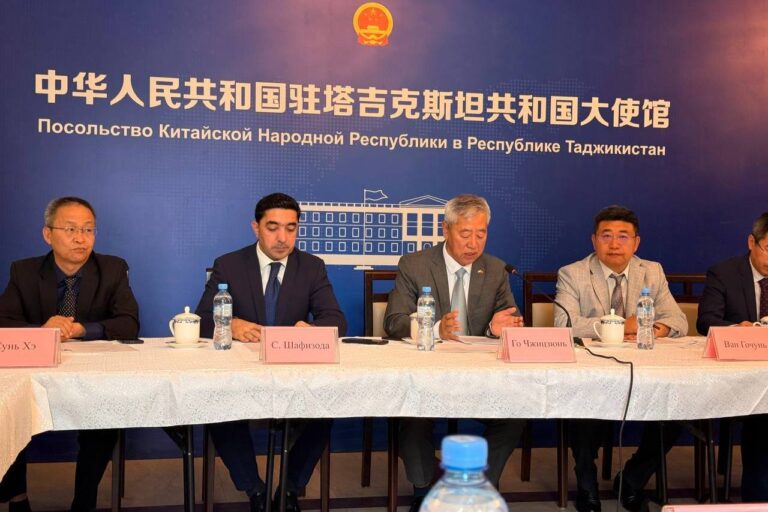
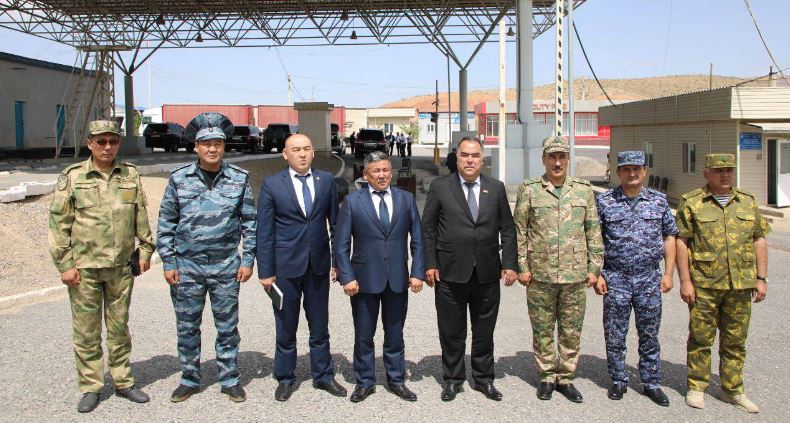
Muzaffar Yunusov, a spokesman for Sughd governor, says Rajabboy Ahmadzoda, the governor of Tajikistan’s Sughd province, and Abdikarim Alimbayev, the governor of Kyrgyzstan’s Batken region met at the Guliston-Qizilbeli border crossing point (BCP) on May 24.
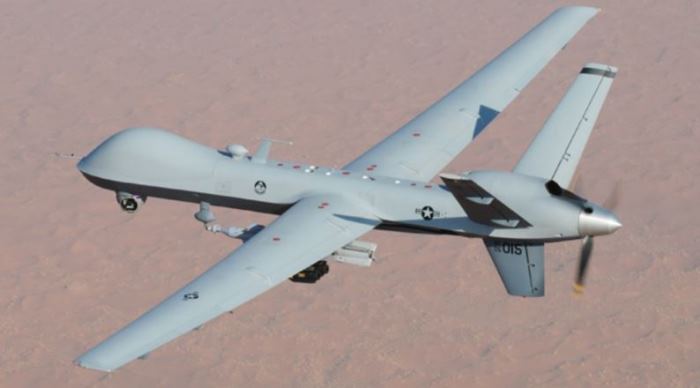
According to him, the parties agreed not to use drones and heavy military hardware in border areas.
The governors of the two regions reportedly also discussed maintaining stability on the border and ensuring public safety, among other issues.
According to some sources, the Tajik side, in a statement from the Sughd regional administration, noted the need for the joint use of water resources.
It is to be noted that many border areas in Central Asia have been disputed since the collapse of the Soviet Union in 1991. The situation is particularly complicated near the numerous exclaves in the Fergana Valley, where the borders of Tajikistan, Uzbekistan, and Kyrgyzstan meet.
The border of Kyrgyzstan and Tajikistan has been the scene of unrest repeatedly since the collapse of the former Soviet Union.
The September 14-17, 2022 violence marked the worst hostilities between the two countries, which have had more than 140 border-related conflicts in the past decade.
Recall, Tajikistan in September last year accused Kyrgyzstan of violating its airspace by using drones following deadly clashes.
Kyrgyzstan used Turkish-made Bayraktar TB-2 drone in at least one instance to fire an MAM-L laser-guided bomb at the Tajik village of Ovchi Qalacha in Sughd’s Bobpjon-Ghafourov district. Investigators with advocacy group Human Rights Watch have said at least 10 civilians may have been killed in that attack, which they described as a probable war crime.
Earlier this year, Kyrgyzstan reportedly bolstered its fleet of Turkish-made military drones with acquisitions of an unspecified number of Aksungur and Anka UAVs.
Tajikistan is likely to have its own reserve of UAVs too. Media reports said in May 2022 that the Chief of Staff of the Iranian Armed Forces Major General Mohammad Hossein Baqheri and Tajik Defense Minister Sherali Mirzo have inaugurated a plant manufacturing Iranian unmanned military aerial vehicle Ababil-2 in Tajikistan.