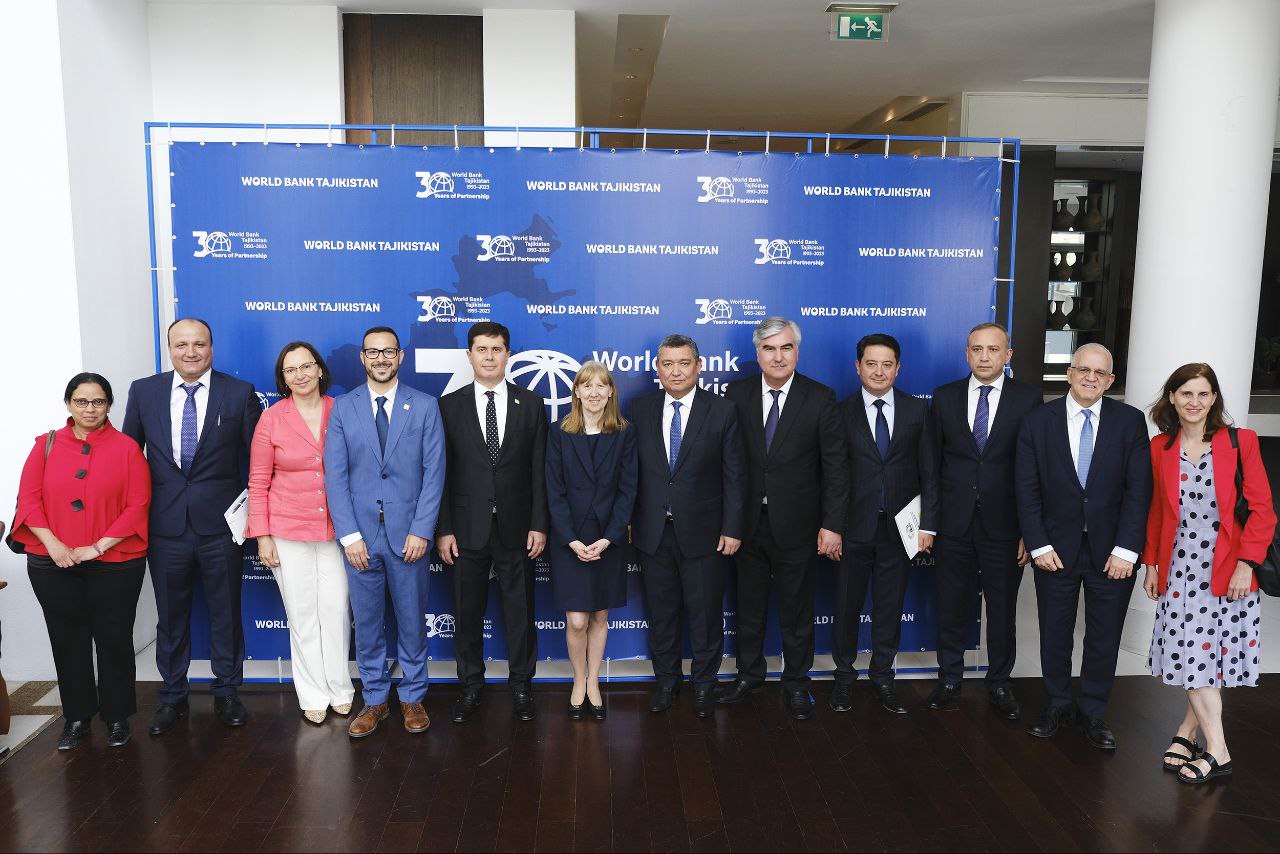
In her first official visit June 5-6, Antonella Bassani, the World Bank’s Vice President for Europe and Central Asia region met with government counterparts and development partners to discuss how bold reforms supported by robust investments can propel the country into a new phase of development.
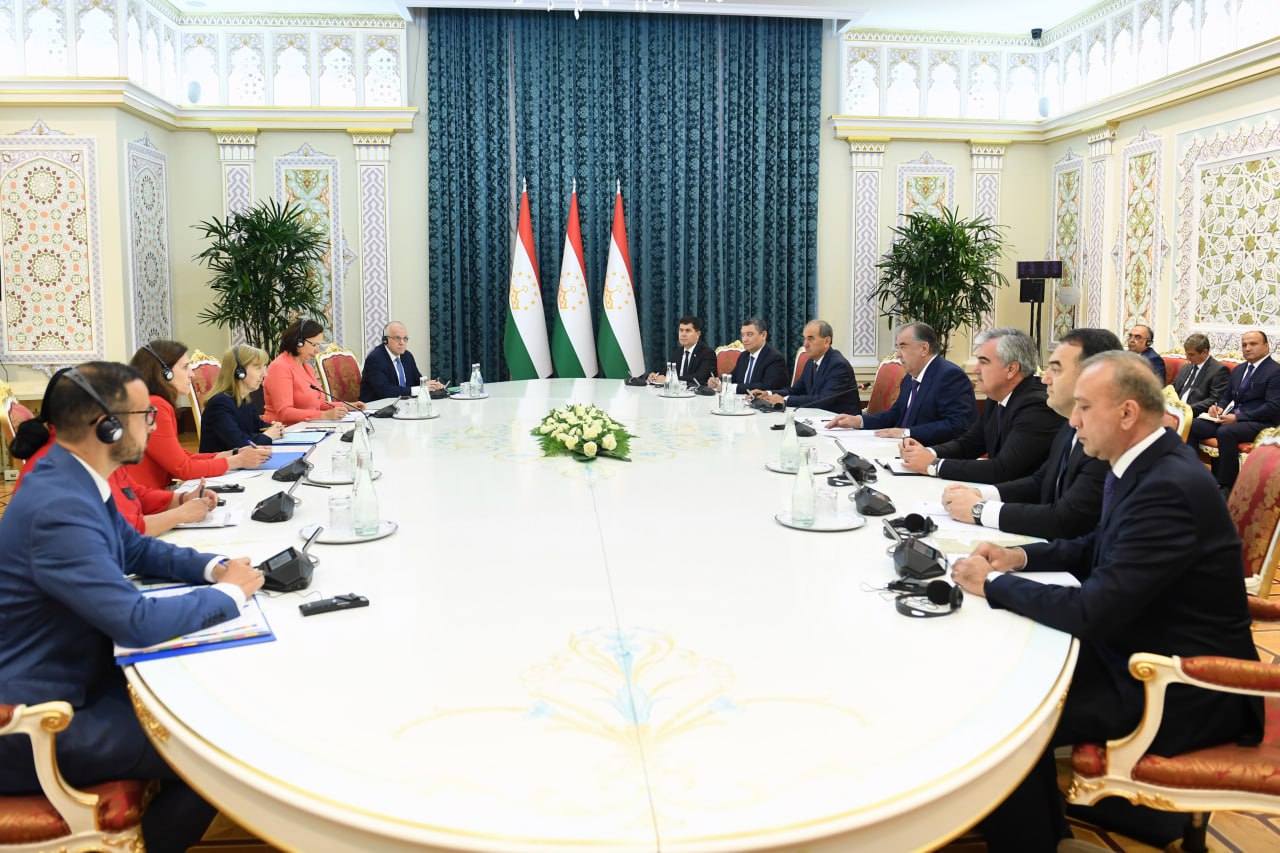
During the visit, Ms. Bassani discussed the essential reforms needed for a sustainable and inclusive development of Tajikistan in meetings with the President of the Republic of Tajikistan, H.E. Emomali Rahmon, Prime Minister Kohir Rasulzoda, Deputy Prime Minister Usmonali Usmonzoda, other members of the Government of the Republic of Tajikistan, and development partners.
The visit coincided with the 30th anniversary of partnership between Tajikistan and the World Bank, as the Republic of Tajikistan officially became a member of the World Bank on June 4, 1993. Marking the milestone, Ms. Bassani expressed appreciation for the strong collaboration over the decades and reaffirmed the Bank’s commitment to supporting the country’s growth.
“Tajikistan is building on its earlier development successes to set the country on a path that is green, resilient, and inclusive, with a strong role in global and regional affairs,” said Ms. Bassani. “I welcome the Government’s aspirations to do more for improving the living standards of people by transforming the economy and investing in people.”
Opening a high-level workshop on Making the National Development Strategy 2030 a Success, Ms. Bassani outlined key policy reform areas crucial to the country’s development agenda, including increasing private sector participation in the economy and job creation, improving public service delivery, and preparing the economy for climate change and natural disasters.
During her meetings, Ms. Bassani stressed that Tajikistan’s commitment to energy-sector reforms will enable its abundant hydro potential and lead to economic growth and regional decarbonization. She also acknowledged the potential of the Rogun Hydropower Plant (HPP) to generate significant economic, social, and environmental benefits for Tajikistan and other countries in Central Asia.
Ms. Bassani commended the government’s work in strengthening Rogun HPP Project’s financial and commercial frameworks, enhancing its environmental and social sustainability, improving the transparency, and supporting establishment of Rogun HPP Project’s benefit sharing program.
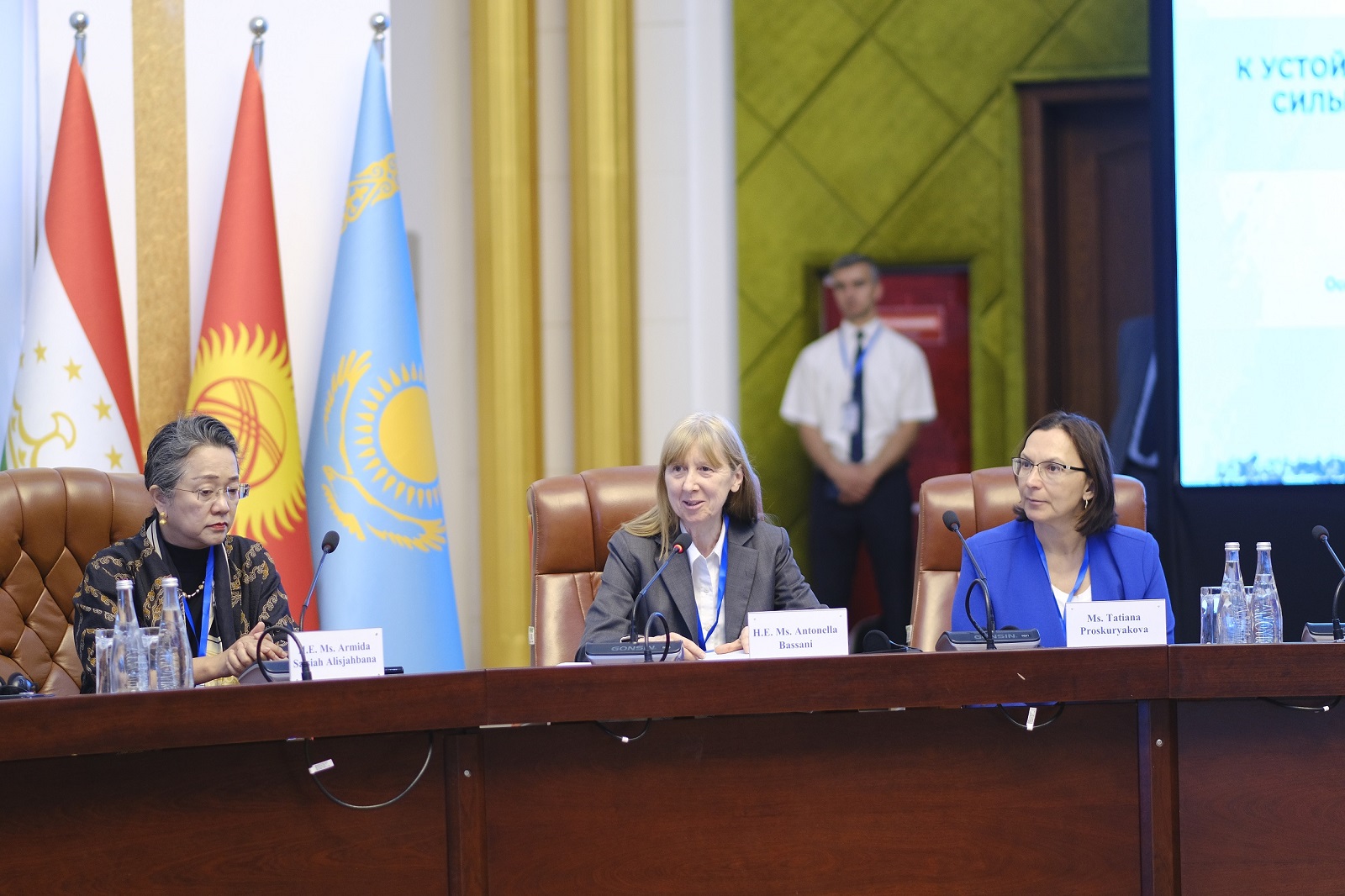
On June 6, Ms. Bassani addressed the participants of the International Conference – Central Asia: Towards Sustainable Future Through Strong Regional Institutions, dedicated to the 30th anniversary of the International Fund for Saving the Aral Sea. In her remarks, Ms. Bassani discussed the importance of the institution for the regional water cooperation.
Currently, the World Bank is financing 26 projects in Tajikistan totaling at $1.6 billion. Since 1996, the World Bank has provided over $2.8 billion in IDA grants, highly concessional credits, and trust funds for Tajikistan. The World Bank Group is committed to continuing its support for Tajikistan as it strives to improve the lives and meet the aspirations of its young and growing population.