Tajikistan has adopted the program for development of paulownia cultivation designed for 2024-2025, Abdujabbor Yusufzoda, Director of the Forestry Agency under the Government of Tajikistan, told reporters in Dushanbe on August 1.
The program reportedly provides for creating paulownia plantations on an area of 1000 hectares.
Yusufzoda noted that the Forestry Agency is carrying out work on the cultivation of fast-growing trees, including paulownia for the purpose of the production and processing of wood in the future.
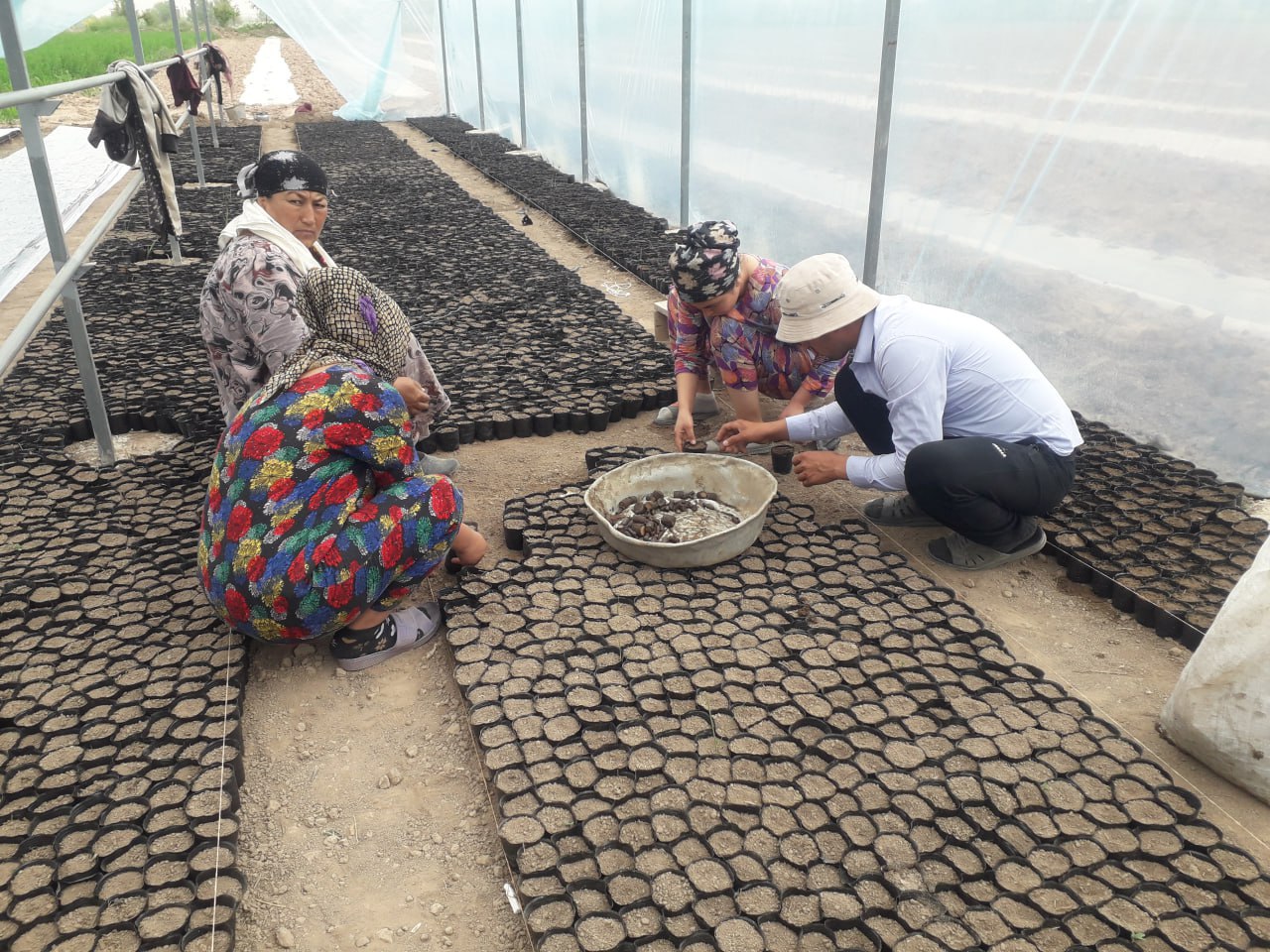
“Before this period, more than 10000 paulownia seedlings have bene planted in eight pilot areas in Vahdat, Tursunzoda, Panjakent, Varzob, Shahtritous, Khuroson, Danghara and Kushoniyon, and work on the care of seedlings is carried out on the basis of agrotechnical rules,” the Forestry Agency top manager said.
According to him, the program has been developed “for the purpose of creating industrial paulownia plantations to provide commercial timber, procure fodders, increase the production of commercial honey, protect farmlands against erosion, and thereby, contribute to the improvement of the country’s environmental conditions.”
Tajikistan contains mainly bush forests, which are not suitable for production of commercial timber. Therefore, Tajikistan is forced to import commercial timber from other countries.
Paulownia is a genus of seven to 17 species of hardwood tree (depending on taxonomic authority). They are present in much of China, south to northern Laos and Vietnam and are long cultivated elsewhere in eastern Asia, notably in Japan and Korea.
In China, it is popular for roadside planting and as an ornamental tree. Paulownia needs much light and does not like high water tables.
Paulownia is extremely fast growing; up to 6 meters in one year when young. Some species of plantation Paulownia can be harvested for saw timber in as little as five years.
Paulownia is also used in Chinese agroforestry systems because it grows fast, its wood is light but strong, its flowers are rich in nectar, its leaves make good fodder for farm animals, it is deep-rooting, and it is late-leafing and its canopy is quite sparse so that crops below it get both light enough to grow and shelter.