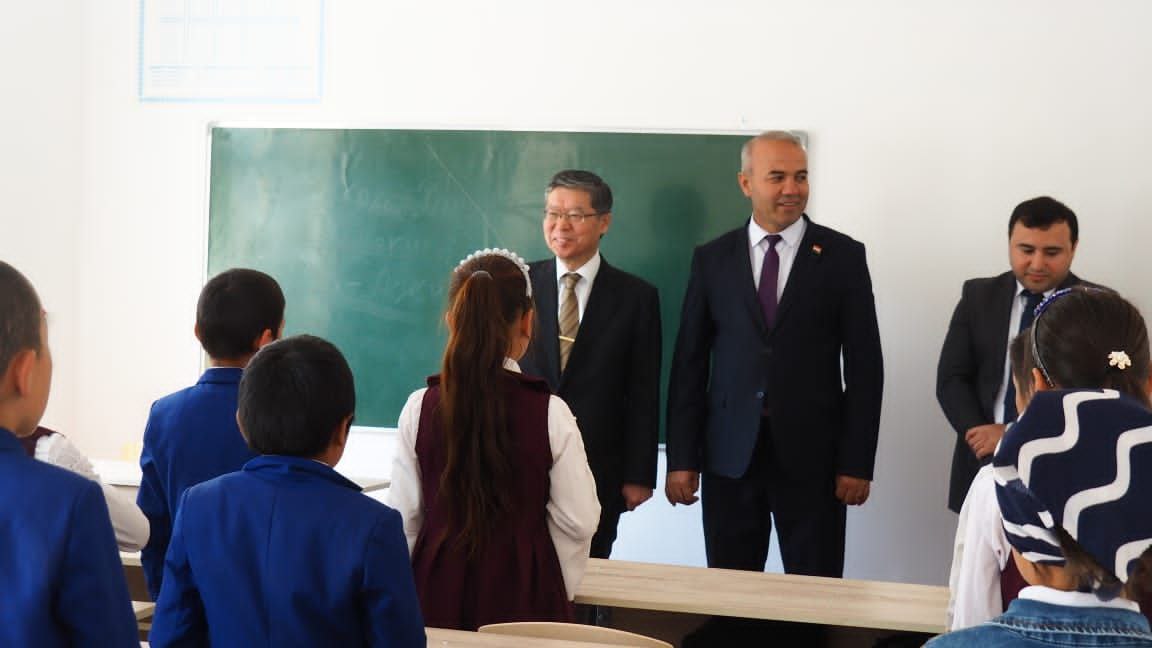
A school built by the Japanese government has opened in Lakhsh

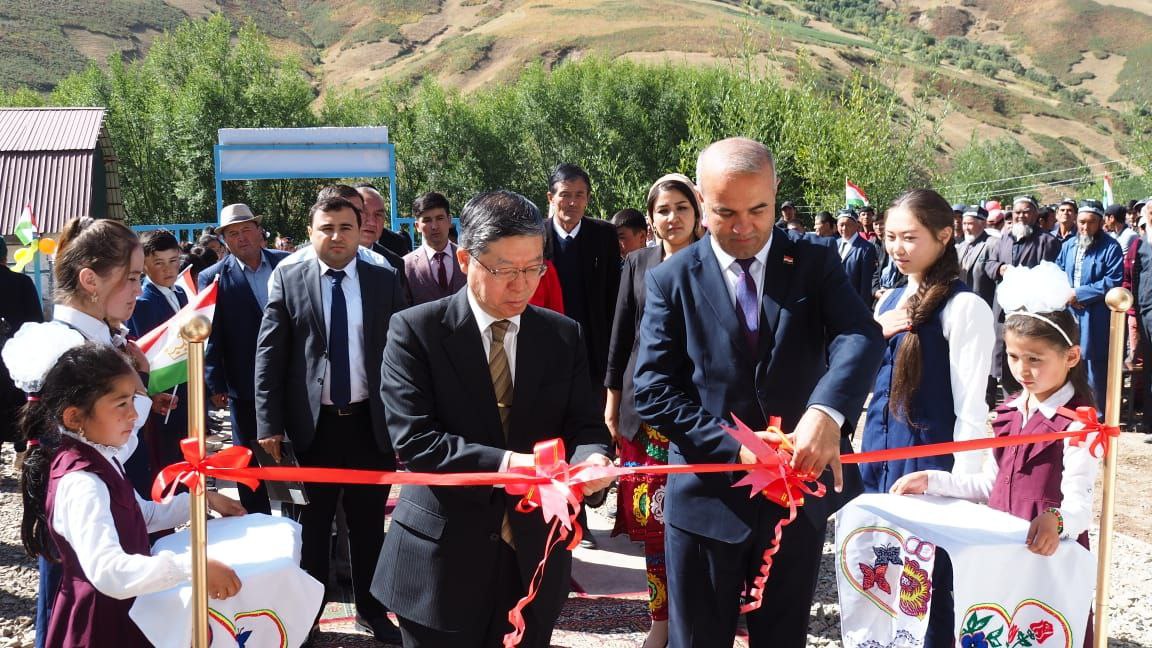
On September 6, Ambassador Extraordinary and Plenipotentiary of Japan to Tajikistan Toshihiro Aiki, Chairman of Lakhsh district Karomiddin Kholzoda, Director of School No. 56 Mr. Mukhiddin Riyasov took part in the completion ceremony of the "Construction project of school No. 56 in Kuldzhujai village of Lakhsh district". The ceremony was also attended by representatives of […]

On September 6, Ambassador Extraordinary and Plenipotentiary of Japan to Tajikistan Toshihiro Aiki, Chairman of Lakhsh district Karomiddin Kholzoda, Director of School No. 56 Mr. Mukhiddin Riyasov took part in the completion ceremony of the "Construction project of school No. 56 in Kuldzhujai village of Lakhsh district".

The ceremony was also attended by representatives of the state executive authority and residents of the village.

A grant in the amount of 92,579 US dollars was allocated for the implementation of the project within the framework of the program of the Government of Japan on gratuitous assistance for the general population and humanitarian security (GGP).

Prior to the implementation of the project, the school building was in poor condition, and students studied in unfavorable conditions. Due to the lack of classrooms, some schoolchildren were forced to go to school in neighboring villages, which created difficulties for schoolchildren, especially in winter.
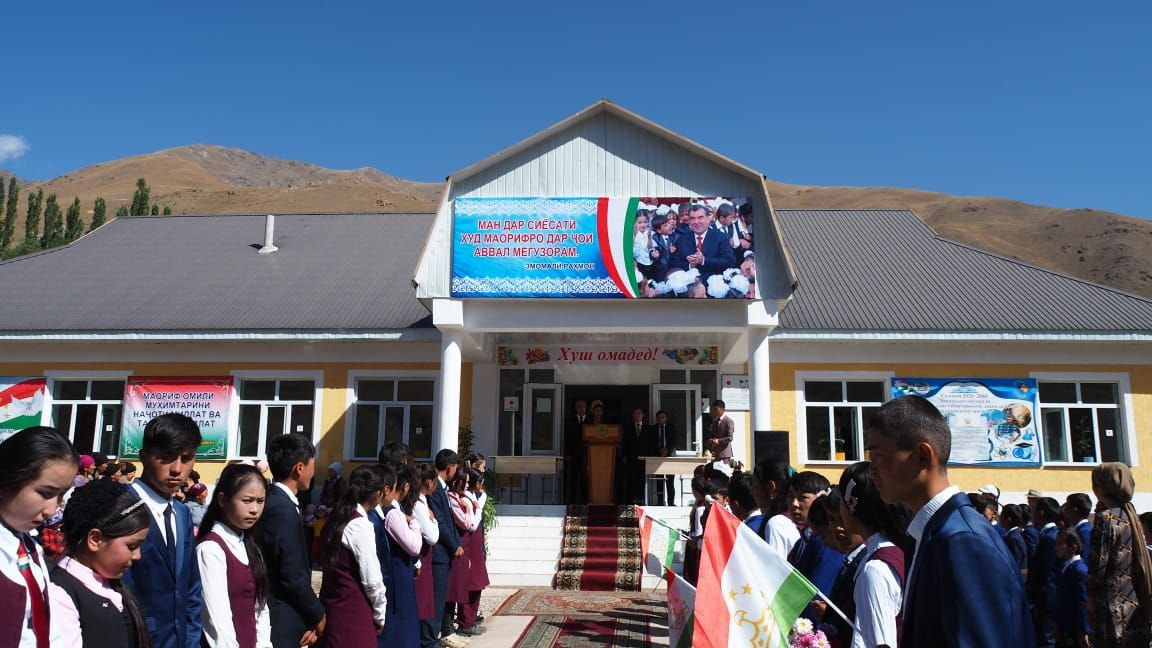
As part of the project, a new school building with 7 classrooms was built, which allows 126 students to study in one spacious and clean building.

Ambassador Toshihiro Aiki congratulated the villagers on the successful completion of the project, and noted that Japan has been assisting the Tajik people as a good friend for more than 30 years since Tajikistan gained independence.

The Chairman of Vakhsh district and the residents of the village expressed gratitude to the Government and people of Japan for the assistance provided.

The Government of Japan intends to continue to support the socio-economic development of Tajikistan.
Gratis assistance programs for the general Population and Humanitarian Security (GGP) are provided mainly to local authorities, educational and medical institutions and international NGOs in developing countries. Since 1996, within the framework of the GGP, the Government of Japan has supported 453 humanitarian projects totaling $37.4 million aimed at the development of the republic, including 161 projects in the field of education.

Join us on social media!

Article translations:

Related Article

Оби зулол
Tenisi
Оби зулол

Most Read

Коммерсбонк Точикистон

Recent Articles

RZD announces the restoration of passenger services between Moscow and Dushanbe

Direct rail services between the capitals of Russia and Tajikistan were suspended in March 2020 due to the COVID-19 pandemic.

#AP30/Stories. “Selam! Heller nichek?” How Tatars live today in Sughd province

On the 30th anniversary of "Asia-Plus," we continue to publish reports that remain relevant even after years. This story was told in 2021, and since then, little has changed in the life of the Tatar community in Tajikistan.

15,000 cameras, drones, and robots: how technology monitors pilgrims in Mecca and Medina

During Hajj 2026, Mecca and Medina were under unprecedented digital control.

Another child in Dushanbe removed from family and sent to boarding school

The Ministry of Internal Affairs reports that the parents did not pay adequate attention to the child.

Emomali Rahmon instructs to address issues in seed production following criticism of the industry

Issues have been noted with certification, seed quality, and the material and technical base of the industry.

Water, climate, and a $130 billion deficit: seven key outcomes of the Water Conference in Dushanbe

At the forum, countries and international organizations discussed new mechanisms for cooperation, investments, and technologies that are essential for addressing the global water crisis.

Eskhata Bank introduces a new generation children’s wallet

"Eshkata Bank" has created a full-fledged digital platform that helps children aged 7 to 16 learn how to manage money.